
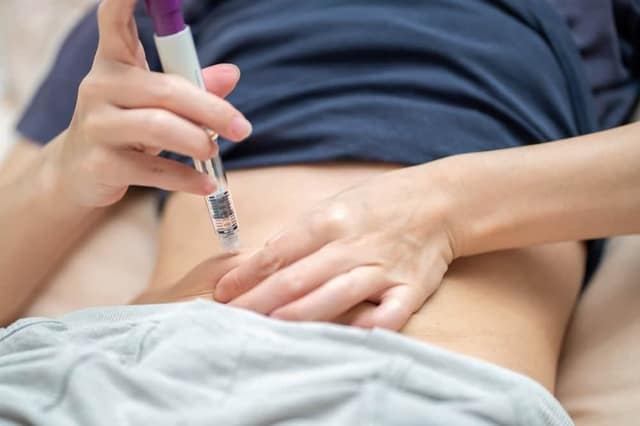
Ovarian stimulation is a medical process that uses hormone injections to encourage the ovaries to produce multiple eggs in a single cycle.
Ovarian stimulation is used in fertility treatments such as intrauterine insemination (IUI) and in vitro fertilisation (IVF) to increase the chances of a successful pregnancy. Instead of the single egg that the ovaries naturally release each month, the goal is to mature several eggs at once — giving doctors more to work with during treatment. Understanding exactly what this process involves helps you go into it feeling informed and prepared.
Why Is Ovarian Stimulation Used in Fertility Treatment?
The primary reason for ovarian stimulation is to maximise the number of mature eggs available for fertilisation. In IVF, more eggs mean more potential embryos, which increases the likelihood of a successful transfer. In IUI, stimulation combined with precise timing of insemination improves the chance that sperm will meet a mature egg.
Ready to start your project?
Join +450,000 members who find their co-parent or sperm donor
Start free✓ Free ✓ No commitment ✓ Verified
Ovarian stimulation is also used when a woman is not ovulating naturally or ovulating irregularly. It is commonly recommended as part of fertility treatment for single women, same-sex couples using donor sperm, and heterosexual couples dealing with unexplained infertility. In 2026, the NHS may fund stimulated IVF cycles for eligible patients aged 39 or under — though eligibility varies by Integrated Care Board.
How Does the Ovulation Cycle Work?
To understand ovarian stimulation, it helps to know what normally happens during a natural cycle. Each month, the ovaries contain hundreds of thousands of immature egg cells called oocytes, housed inside fluid-filled sacs called follicles. Normally, only one follicle becomes dominant and releases a mature egg at ovulation. The rest of the follicles regress and are reabsorbed by the body.
Two key hormones control this process. Follicle-stimulating hormone (FSH) prompts follicle growth throughout the cycle, while luteinising hormone (LH) triggers the final maturation and release of the egg. Ovarian stimulation works by providing the body with additional FSH and LH so that multiple follicles develop simultaneously rather than just one.
Certain conditions can disrupt this process. The most common is Polycystic Ovary Syndrome (PCOS), which affects between 8% and 13% of women of reproductive age and frequently causes irregular or absent ovulation. Ovarian stimulation is one of the main treatment tools for PCOS-related fertility difficulties.
What Happens Before Ovarian Stimulation Begins?
Before starting ovarian stimulation, your clinic carries out a series of baseline assessments. Blood tests measure your hormone levels, including FSH, LH, oestradiol, and anti-Müllerian hormone (AMH). AMH is particularly important — it reflects your ovarian reserve, meaning how many eggs are likely to be available. According to NHS guidance on IVF, additional tests for HIV, hepatitis B, and hepatitis C are also required before treatment begins.
Your doctor uses these results to design a personalised stimulation protocol — the specific combination of medications, doses, and timing that gives you the best chance of producing a good number of mature eggs without overstimulating the ovaries.
In some cases, you may be prescribed the contraceptive pill for two to three weeks before starting injections. This helps synchronise your cycle so the clinic can time stimulation accurately.
The 6 Key Steps of Ovarian Stimulation
Step 1: Suppression of natural ovulation
For IVF, treatment usually begins with injections or a nasal spray taken daily for two to three weeks. These medications temporarily switch off the pituitary gland’s natural signalling, preventing your ovaries from releasing eggs spontaneously before retrieval. An ultrasound scan confirms that suppression has worked before you move on.
Step 2: Stimulation injections
Once suppression is confirmed, you begin daily self-administered FSH injections. These stimulate the growth of multiple follicles simultaneously. This phase typically lasts 8 to 14 days. You will visit the clinic regularly for blood tests and transvaginal ultrasound scans to monitor how many follicles are developing and how large they are growing.
Step 3: Monitoring
Monitoring during ovarian stimulation is continuous and critical. Your hormone levels and follicle sizes guide dose adjustments. Most patients have between two and five scans during this phase. The goal is to grow several follicles to a diameter of around 17 to 20 mm, which indicates the eggs inside are mature enough to be retrieved.
Step 4: The trigger injection
When follicles reach the right size, you are given a final injection of human chorionic gonadotropin (hCG) — commonly called the trigger shot. This mimics the natural LH surge and prompts the final maturation of the eggs. Egg retrieval is then scheduled precisely 34 to 38 hours after the trigger injection.
Step 5: Egg retrieval
Egg collection takes place under sedation at the clinic. A thin needle is passed through the vaginal wall and into each follicle to aspirate the fluid and eggs. The procedure takes around 20 minutes. Most women experience mild cramping for a day or two afterwards.
Step 6: Fertilisation or insemination
For IVF, the retrieved eggs are fertilised with sperm in a laboratory. Any resulting embryos are monitored for two to five days before one is transferred into the uterus. For IUI, ovarian stimulation is combined with sperm donor insemination timed precisely around ovulation, typically 36 to 40 hours after the trigger injection.
What Are the Side Effects of Ovarian Stimulation?
Most side effects of ovarian stimulation are mild and temporary. However, it is important to be aware of what to expect.
Mood changes
Hormonal fluctuations during the stimulation phase commonly cause mood swings, tearfulness, or heightened anxiety. These typically resolve once the cycle is complete. It helps to have open conversations with your partner, close friend, or counsellor during this time.
Physical discomfort
Bloating, pelvic pressure, and breast tenderness are common as the follicles grow and the ovaries enlarge. Mild bruising or swelling at the injection site is also normal. Most women find these effects manageable.
Multiple pregnancy risk
Producing multiple mature eggs increases the chance of multiple births if more than one embryo is transferred or more than one egg is fertilised. Your fertility team will discuss this risk with you and follow HFEA guidelines on the number of embryos transferred.
Ovarian Hyperstimulation Syndrome (OHSS)
The most serious potential complication of ovarian stimulation is Ovarian Hyperstimulation Syndrome. OHSS occurs when the ovaries over-respond to the medication, becoming swollen and painful. Mild OHSS is relatively common. Severe OHSS — characterised by significant abdominal pain, vomiting, difficulty breathing, or reduced urination — is rare but requires immediate medical attention. The NHS advises calling 999 if you experience chest pain, severe swelling, or breathing difficulties after a stimulation cycle.
Women with PCOS are at higher risk of OHSS due to the large number of resting follicles in their ovaries. Your clinic will adjust your protocol accordingly to reduce this risk.
Ovarian Stimulation for IUI vs IVF: What Is the Difference?
The approach to ovarian stimulation differs between IUI and IVF. For IUI, the aim is usually to produce just one to three mature follicles — enough to improve the chance of conception without dramatically increasing multiple birth risk. Lower doses of medication are typically used. According to the NHS, standard IUI on the NHS does not usually include ovarian stimulation, but stimulated IUI is available privately.
For IVF, the goal is to retrieve as many mature eggs as possible — typically aiming for 8 to 15 eggs from a single stimulation cycle. A higher number of eggs means more embryos can be created, increasing the statistical chances of a successful transfer and allowing surplus embryos to be frozen for future use.
If you are using donor sperm through CoParents.co.uk and having treatment at a licensed UK clinic, your clinic will determine whether stimulated or natural cycle IUI is the right approach for your situation. Read more about the differences between artificial insemination and IVF to help you understand your options.
How to Support Your Body During Ovarian Stimulation
There are practical steps you can take to support your wellbeing throughout the process. Stay well hydrated — fluid intake is particularly important given the risk of OHSS. Maintain a balanced diet with adequate protein, and avoid alcohol entirely during the stimulation phase. Rest when you need to, especially in the days around egg retrieval.
Keep track of your medications carefully. Your clinic will provide a detailed schedule, but it is easy to feel overwhelmed when managing multiple injections and appointments. Do not hesitate to call your nurse coordinator if you have any questions about dosing or timing.
Fertility treatment can be emotionally demanding. Be honest with yourself about how you are feeling, and seek support from your medical team, a counsellor, or an online community. Your partner’s sperm health also matters — both of you should be as healthy as possible going into treatment.
Frequently Asked Questions
How long does ovarian stimulation take?
The stimulation injection phase of ovarian stimulation typically lasts 8 to 14 days. When you include the suppression phase beforehand and the monitoring appointments throughout, the full process from starting medications to egg retrieval usually spans two to four weeks.
Is ovarian stimulation painful?
Most women find ovarian stimulation uncomfortable rather than painful. The daily injections cause mild stinging, and bloating or pelvic pressure increases as the follicles grow. Egg retrieval itself is performed under sedation, so you should not feel pain during the procedure.
Can ovarian stimulation affect future fertility?
Current evidence does not show that ovarian stimulation depletes your egg supply or reduces future fertility. The eggs that are matured during stimulation are drawn from a pool that would otherwise be lost in that natural cycle. However, repeated cycles should always be discussed with your specialist in the context of your individual ovarian reserve.
What happens if ovarian stimulation produces too many follicles?
If monitoring shows that too many follicles are developing, your clinic may reduce your medication dose or cancel the cycle to avoid the risk of OHSS. In some cases, eggs may still be retrieved and frozen for a future transfer rather than a fresh one.
Do I need ovarian stimulation for home insemination?
No. Home insemination does not involve ovarian stimulation. It relies on tracking your natural cycle to time insemination around ovulation. However, if you are struggling to conceive after several home insemination attempts, your GP may refer you for assisted insemination with optional stimulation at a licensed clinic.
If you are considering fertility treatment and looking for a sperm donor in the UK, CoParents.co.uk connects you with verified donors across the UK and Ireland. Join over 450,000 members and take the first step towards building your family today.