
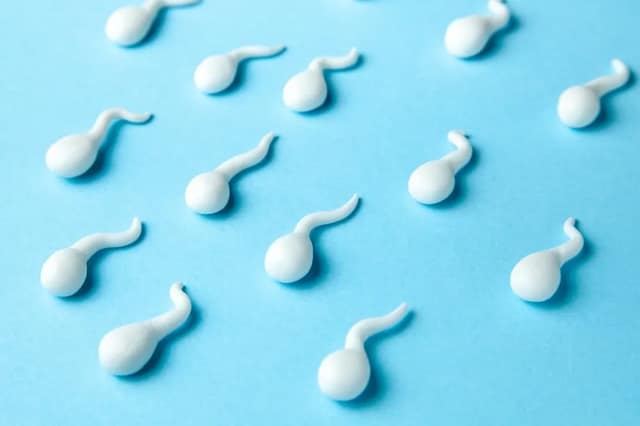
Understanding your sperm count is essential whether you are trying for a baby, considering sperm donation, or simply want to know more about your fertility. Sperm count (also called sperm concentration) measures the number of active spermatozoa found in a sample of semen. The World Health Organization defines normal sperm count as between 15 million to 200 million sperm per millilitre of semen. When the count falls below 15 million per millilitre, the condition is called oligozoospermia, and conceiving naturally becomes more difficult. Around 1 in 3 infertile couples experience issues related to sperm quality or quantity, making it vital to understand what affects your sperm count and what you can do about it.
On CoParents.co.uk, a platform with over 150,000 members since 2008, people seeking sperm donors or co-parenting arrangements can connect in a safe and supportive environment. This guide explains everything you need to know about sperm count, from testing methods to treatment options and natural improvements.
What Is Sperm Count and Why Does It Matter?
Sperm count refers to the concentration of spermatozoa in a semen sample. It is one of the key indicators of male fertility. A semen analysis measures not only the number of sperm but also their shape (morphology) and movement (motility). All three factors play a role in determining whether sperm can successfully fertilise an egg.
Ready to start your project?
Join +450,000 members who find their co-parent or sperm donor
Start free✓ Free ✓ No commitment ✓ Verified
The World Health Organization sets the reference range for normal sperm count at 15 million to 200 million sperm per millilitre of semen. A count below 15 million per millilitre is classified as low and may make natural conception more challenging. However, it is important to remember that sperm count is just one part of the fertility picture. Even men with lower counts can father children, particularly if sperm motility and morphology are good.
If you are planning to become a parent or are considering sperm donation, understanding your sperm count can help you make informed decisions about your fertility and any treatment options that might be needed.
How Can You Test Your Sperm Count?
There are two main ways to test your sperm count: through a semen analysis at a clinic or laboratory, or by using a male fertility home test kit. Both methods provide valuable information, but they differ in terms of accuracy, detail and convenience.
A semen analysis is the most accurate way to measure sperm count. If you and your partner are experiencing difficulty conceiving, your GP may refer you for this test. You provide a semen sample, which is analysed in a laboratory to determine the number of sperm, their shape and their ability to move. The NHS recommends repeating the test around three months later if the first result shows a low sperm count, as sperm production can vary over time.
Male fertility home test kits are available at pharmacies like Boots and online. These kits allow you to measure your sperm count privately at home. They typically indicate whether your count falls within the normal range or is low. While convenient, home tests are less detailed than laboratory analyses and do not measure sperm motility or morphology. If you are concerned about your fertility, it is always best to follow up with your GP and arrange a full semen analysis.
For those considering becoming a sperm donor, clinics will require a detailed semen analysis as part of the screening process. This ensures that donated sperm meets the necessary health and quality standards. Our guide on male infertility causes explains more about the factors that can affect fertility test results.
What Causes Low Sperm Count?
Low sperm count can result from a range of medical, lifestyle and environmental factors. Understanding the causes can help you identify potential areas for improvement. Medical conditions that affect sperm count include varicocele (enlarged veins in the scrotum), infections, hormonal imbalances, and certain genetic conditions. Some medications, including anabolic steroids, chemotherapy drugs and long-term use of certain antibiotics, can also reduce sperm production.
Lifestyle factors play a significant role. Smoking, excessive alcohol consumption, drug use and obesity are all linked to lower sperm count. High levels of stress, lack of exercise and poor diet can also affect sperm production. Environmental exposures such as pesticides, heavy metals and heat (from saunas, hot baths or tight clothing) may reduce sperm concentration over time.
Age is another factor. While men can produce sperm throughout their lives, sperm count and quality tend to decline gradually after the age of 40. This does not mean older men cannot father children, but it may take longer to conceive naturally.
If you have been diagnosed with low sperm count, your GP or a fertility specialist can help identify the underlying cause and recommend appropriate treatment or lifestyle changes. Our article on donor sperm insemination provides information about alternative routes to parenthood if natural conception proves difficult.
How Can You Improve Your Sperm Count Naturally?
If you have been told you have a low sperm count, there are several natural steps you can take to improve sperm production and quality. Lifestyle changes are often the first recommendation from doctors and fertility specialists. Maintaining a healthy weight is important, as both obesity and being underweight can affect hormone levels and sperm production. Regular exercise can help, but avoid excessive or intense training, which may have the opposite effect.
Diet plays a key role in supporting healthy sperm count. Eating a balanced diet rich in antioxidants, vitamins and minerals can improve sperm quality. Foods high in zinc (such as shellfish, meat and seeds), vitamin C (citrus fruits, peppers), vitamin D (oily fish, eggs) and omega-3 fatty acids (salmon, walnuts) are particularly beneficial. Some studies suggest that supplements like folic acid, selenium and coenzyme Q10 may also support sperm health, though you should speak to your GP before starting any new supplements.
Quitting smoking and reducing alcohol intake are among the most effective ways to boost sperm count. Smoking damages sperm DNA and reduces both count and motility, while heavy drinking can lower testosterone levels and impair sperm production. Avoiding recreational drugs, particularly anabolic steroids and cannabis, is also important.
Managing stress through relaxation techniques, adequate sleep and mental health support can help improve hormone balance and sperm production. Reducing heat exposure to the testicles by avoiding hot baths, saunas and tight underwear may also help. Our guide on sperm donor counselling offers support resources for anyone navigating fertility challenges.
What Fertility Treatments Are Available for Low Sperm Count?
If natural conception does not happen after lifestyle changes and several months of trying, fertility treatments may be recommended. The type of treatment depends on the severity of the low sperm count and other factors affecting fertility. Intrauterine insemination (IUI) is a simpler option where sperm is placed directly into the uterus around the time of ovulation. However, men with very low sperm count may have lower success rates with IUI, as it still relies on sperm being able to reach and fertilise the egg naturally.
In vitro fertilisation (IVF) is a more effective treatment for couples where the man has a low sperm count. During IVF treatment, eggs are removed from the woman’s ovaries and fertilised with sperm in a laboratory. The resulting embryos are then transferred into the uterus. IVF bypasses many of the natural barriers to conception and increases the chances of success even when sperm concentration is lower than normal.
Intracytoplasmic sperm injection (ICSI) is a specialised form of IVF used when sperm count is very low or sperm quality is poor. With ICSI treatment, a single sperm is injected directly into each mature egg using a fine needle. This technique requires only a small number of healthy sperm and has high success rates for men with severe oligozoospermia. ICSI is often recommended for couples who have not succeeded with standard IVF or where sperm motility is also an issue.
For men with no viable sperm in their ejaculate (a condition called azoospermia), surgical sperm retrieval may be possible. Techniques such as testicular sperm extraction (TESE) or percutaneous epididymal sperm aspiration (PESA) can retrieve sperm directly from the testicles or epididymis for use in ICSI. If these options are not suitable, using donor sperm is another route to parenthood. Many couples and individuals choose donor sperm for IUI, IVF or home insemination. Our platform connects people seeking sperm donors with those willing to help others start families.
When Should You See a Doctor About Sperm Count?
If you and your partner have been trying to conceive for more than a year without success (or six months if the woman is over 35), it is time to see your GP. The NHS offers fertility testing for couples who meet these criteria. Your GP will likely arrange a semen analysis to check your sperm count, motility and morphology, as well as tests for your partner.
You should also speak to your doctor if you have any known risk factors for low sperm count, such as a history of testicular injury, surgery, cancer treatment, or a family history of fertility problems. Men with conditions like diabetes, thyroid disorders or obesity may also benefit from earlier fertility testing.
If you are considering sperm donation, clinics will require comprehensive testing before you can donate. This includes semen analysis to confirm your sperm count meets the necessary standards, as well as screening for infectious diseases and genetic conditions. Our guide on donor conception in the UK explains the legal and medical requirements for sperm donors.
Frequently Asked Questions
What is a normal sperm count?
A normal sperm count ranges from 15 million to 200 million sperm per millilitre of semen, according to World Health Organization guidelines. Counts below 15 million per millilitre are classified as low (oligozoospermia). However, sperm motility and morphology are also important for fertility, so a slightly lower count does not necessarily mean you cannot conceive naturally.
Can you have a baby with low sperm count?
Yes, many men with low sperm count can still father children, particularly if other aspects of sperm health (such as motility and shape) are normal. Natural conception may take longer, but lifestyle changes and fertility treatments like IVF or ICSI can significantly improve your chances of success.
How can I test my sperm count at home?
Male fertility home test kits are available at pharmacies and online. These kits measure sperm count and indicate whether it falls within the normal range. However, home tests are less detailed than laboratory semen analyses and do not measure motility or morphology. If you are concerned about your fertility, follow up with your GP for a full assessment.
What lifestyle changes improve sperm count?
Quitting smoking, reducing alcohol intake, maintaining a healthy weight, eating a balanced diet rich in vitamins and antioxidants, exercising regularly, managing stress, and avoiding heat exposure to the testicles can all help improve sperm count. These changes typically take around three months to show results, as this is the length of the sperm production cycle.
What fertility treatments are available for low sperm count?
Treatment options include intrauterine insemination (IUI), in vitro fertilisation (IVF), and intracytoplasmic sperm injection (ICSI). ICSI is particularly effective for very low sperm count, as it involves injecting a single sperm directly into each egg. Donor sperm is also an option for couples who prefer not to pursue medical treatment or where male infertility is severe.
If you are considering sperm donation, co-parenting or using a sperm donor to start your family, join CoParents.co.uk for free and connect with others who share your goals. Our community has been helping people build families since 2008.