
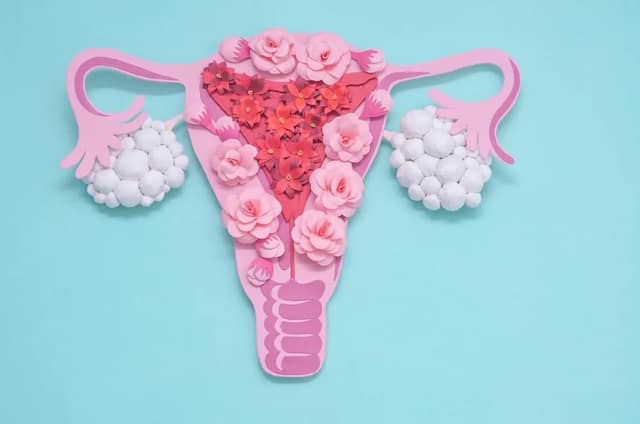
Polycystic ovary syndrome (PCOS) affects around 1 in 8 women in the UK, yet many go undiagnosed for years because its symptoms overlap with so many other conditions. Understanding pcos symptoms early can make a real difference to your health and fertility.
PCOS is a hormonal disorder that disrupts how the ovaries work. It causes elevated levels of androgens (often called “male hormones”), irregular ovulation, and, in many cases, multiple small follicles on the ovaries. The condition cannot be cured, but it can be managed effectively once identified.
In this guide, you will find a clear breakdown of the most common pcos symptoms, how the condition is diagnosed under NHS guidelines, what treatments are available, and how PCOS affects your chances of conceiving.
Ready to start your project?
Join +450,000 members who find their co-parent or sperm donor
Start free✓ Free ✓ No commitment ✓ Verified
What causes pcos symptoms to develop?
The exact cause of PCOS is not fully understood. However, the NHS confirms that abnormal hormone levels — particularly high insulin — play a central role. Many women with PCOS are insulin-resistant, meaning their bodies produce more insulin than normal. This excess insulin then drives up androgen production, triggering many of the visible symptoms.
Genetics are also a factor. PCOS often runs in families, so if your mother or sister has the condition, your own risk is higher. Being overweight can worsen insulin resistance and amplify symptoms, though PCOS also affects women of a healthy weight.
The 10 most common pcos symptoms
PCOS presents differently in every woman. Some experience only mild disruption; others face a combination of distressing physical and emotional effects. These are the symptoms most commonly reported.
1. Irregular or absent periods
One of the most telling pcos symptoms is a disrupted menstrual cycle. Periods may be infrequent — fewer than eight per year — or stop altogether. This happens because high androgen levels interfere with ovulation, preventing the regular monthly cycle.
2. Excess hair growth (hirsutism)
Elevated androgens stimulate hair growth in areas more typical of men: the face, chest, back, and abdomen. Hirsutism affects around 70% of women with PCOS and can have a significant impact on confidence and wellbeing.
3. Hair thinning on the scalp
While body hair increases, many women with PCOS experience thinning or loss of hair on the head. This pattern, similar to male-pattern baldness, is again driven by excess androgens.
4. Weight gain and difficulty losing weight
Insulin resistance makes it easier to gain weight and harder to lose it, particularly around the abdomen. Even modest weight loss — around 5% of body weight — can noticeably improve pcos symptoms and restore more regular ovulation.
5. Oily skin and acne
Androgens stimulate the sebaceous glands, leading to persistent oily skin and acne well beyond the teenage years. The jawline, chin, and back are the most commonly affected areas.
6. Difficulty getting pregnant
Irregular ovulation means that eggs are not released reliably, making natural conception harder. PCOS is one of the leading causes of female infertility in the UK. However, with the right treatment, most women with PCOS do go on to conceive. If you are exploring your options, our guide to paths to parenthood in the UK covers routes including co-parenting and donor conception.
7. Dark patches on the skin
Insulin resistance can cause a condition called acanthosis nigricans — patches of darker, thickened skin, often appearing around the neck, armpits, or groin. These patches are a visible sign of metabolic disruption.
8. Skin tags
Small, benign growths of skin may appear around the neck and armpits. Like dark patches, they are associated with insulin resistance rather than with hormones directly.
9. Sleep apnoea
Research shows a strong link between PCOS and obstructive sleep apnoea — a condition where breathing repeatedly stops during sleep. Women with PCOS are 5 to 10 times more likely to develop sleep apnoea than those without, partly due to metabolic factors and elevated androgens.
10. Mood changes and anxiety
PCOS is associated with higher rates of depression and anxiety. Hormonal imbalance, the visible nature of some symptoms, and the fertility challenges involved all contribute to emotional strain. This aspect of the condition is often underrecognised by healthcare professionals.
How is PCOS diagnosed?
NHS guidelines use the Rotterdam criteria: a diagnosis requires at least two of the following three features.
| Feature | How it is assessed |
|---|---|
| Irregular or absent ovulation | Menstrual history, cycle tracking |
| Elevated androgens | Blood test (testosterone, DHEAS) |
| Polycystic ovaries on scan | Pelvic ultrasound (12+ follicles per ovary) |
Because pcos symptoms vary so widely and can mimic other conditions, diagnosis is often delayed. Verity, the UK’s PCOS charity, reports that many women wait years before receiving a confirmed diagnosis. If you recognise several of the symptoms above, visit your GP and ask specifically about PCOS testing.
What treatments are available for pcos symptoms?
There is no cure, but the right combination of lifestyle changes and medical treatment can reduce pcos symptoms considerably.
Lifestyle changes
Diet and exercise are the most powerful tools available. A low-glycaemic diet helps reduce insulin levels, which in turn lowers androgen production. Regular moderate exercise improves insulin sensitivity. Even a 5–10% reduction in body weight can restart ovulation in women who have lost their periods entirely.
Medication
Your GP may prescribe a combination of the following, depending on your specific pcos symptoms.
- Combined oral contraceptive pill — regulates periods and reduces androgen-driven symptoms such as acne and excess hair
- Metformin — improves insulin sensitivity and can restore ovulation
- Clomifene or letrozole — ovulation induction medicines used when trying to conceive
- Gonadotrophins — injectable hormones to stimulate the ovaries, used under specialist supervision
- Eflornithine cream — prescription treatment to slow facial hair growth
Surgery
For women who do not respond to medication, laparoscopic ovarian drilling (LOD) is a minimally invasive procedure that destroys a small amount of androgen-producing ovarian tissue. It can restore regular ovulation for 12 to 18 months in many cases.
Does PCOS affect fertility?
PCOS is responsible for around 80% of anovulatory infertility cases. However, it is also one of the most treatable causes of fertility problems. Medication such as Clomifene or letrozole successfully induces ovulation in the majority of women. If medication alone is not enough, intrauterine insemination (IUI) with donor sperm is an option used by single women and same-sex couples alongside those in relationships. IVF is another route if simpler treatments have not worked — our article on conceiving with donor sperm explains the process in detail.
Women with PCOS who are considering egg freezing should also factor in that the condition can affect ovarian stimulation response. You can find out more about your options in our guide to social egg freezing.
Long-term health risks linked to PCOS
Left unmanaged, PCOS increases the risk of several serious health conditions later in life.
- Type 2 diabetes — insulin resistance is a direct risk factor
- Cardiovascular disease — driven by metabolic syndrome
- Endometrial cancer — caused by prolonged exposure of the uterine lining to oestrogen without the counterbalancing effect of regular ovulation
- Non-alcoholic fatty liver disease
This is why early diagnosis and consistent management matter — not just for fertility, but for your health throughout life. If you want to understand how related conditions compare, our article on adenomyosis vs endometriosis explains two other conditions that frequently overlap with PCOS.
Will pcos symptoms disappear at the menopause?
Partially. Period-related symptoms and fertility difficulties typically lessen as the menopause approaches. However, metabolic risks — including insulin resistance and cardiovascular risk — do not automatically resolve. Some women find that symptoms such as hair thinning and weight management challenges continue into and beyond the menopause.
Frequently asked questions about pcos symptoms
Can you have pcos symptoms without polycystic ovaries on a scan?
Yes. Under the Rotterdam criteria, polycystic ovaries on an ultrasound are only one of three diagnostic features. If you have irregular periods and elevated androgens confirmed by a blood test, a diagnosis of PCOS can be made even if your scan appears normal.
How quickly can lifestyle changes improve pcos symptoms?
Many women notice improvements in pcos symptoms within 3 to 6 months of consistent dietary changes and regular exercise. Menstrual cycles may become more regular, skin can improve, and energy levels often increase as insulin levels stabilise.
Is PCOS hereditary?
There is a strong genetic component. If a first-degree relative — mother, sister — has PCOS, your risk is significantly higher. However, environmental and lifestyle factors also play a role, meaning the condition does not automatically affect every woman in a family.
Can PCOS be confused with other conditions?
Yes. Thyroid disorders, hyperprolactinaemia, and congenital adrenal hyperplasia can all produce pcos symptoms such as irregular periods and excess hair. Your GP should rule out these conditions during the diagnostic process before confirming a PCOS diagnosis.
If you think you may have PCOS, book an appointment with your GP as soon as possible. Ask for a blood test to check androgen levels and a pelvic ultrasound. Early diagnosis gives you the best chance of managing pcos symptoms before they affect your long-term health or fertility.
If you are trying to conceive and PCOS is making things more difficult, understanding how weight and pregnancy interact can also help you prepare for a healthier conception journey. You can also explore the differences between IUI and IVF to understand what fertility treatment pathway might suit your situation.
Thousands of women with PCOS have found that the right support network makes a real difference. On CoParents.co.uk, you can connect with co-parents, sperm donors, and intended parents who understand fertility challenges first-hand. Join the community and take the first step towards building the family you want.