
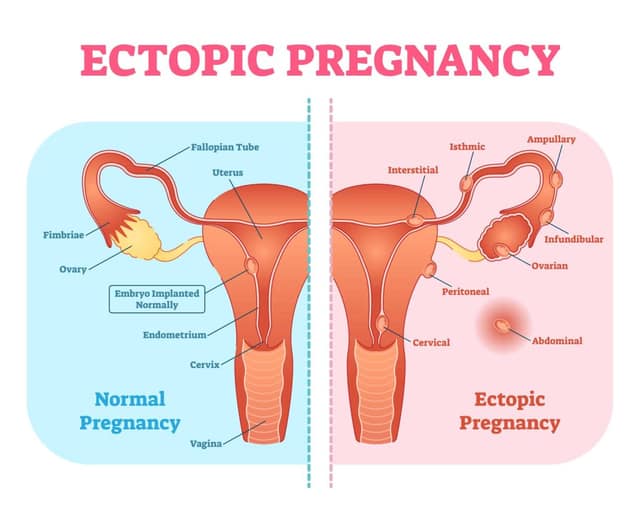
Pregnancy after ectopic is possible for the majority of women, even after surgery to remove a fallopian tube. An ectopic pregnancy occurs when a fertilised egg implants outside the womb, most commonly in a fallopian tube. Around 1 in 90 pregnancies in the UK is ectopic, affecting approximately 11,000 women each year. The experience is physically and emotionally devastating, but the outlook for future fertility is encouraging. Research shows that 65% of women achieve a healthy pregnancy within 18 months of an ectopic, and some studies suggest this figure rises to around 85% over two years.
How Long Should You Wait Before Trying for Pregnancy After Ectopic?
Every case is different, and you should speak to your GP for advice tailored to your situation. In general, most doctors recommend waiting at least two to three months or two full menstrual cycles before trying to conceive again. This allows internal swelling and bruising to heal and your cycle to return to a regular rhythm. If you were treated with methotrexate, the waiting period is typically three months from the date of the injection, as the medication can be harmful to a developing baby during that time.
Any bleeding immediately following the ectopic is not a true period — it is part of your body’s natural healing process. Your first proper period may be heavier than usual and can take 6 to 8 weeks to arrive. Use this recovery time to look after yourself physically and emotionally. Pregnancy after ectopic involves grief as well as hope, and allowing yourself space to process both is important. If you are exploring paths to parenthood through fertility support or co-parenting, taking time to build your health before trying again will give you the best possible foundation.
Ready to start your project?
Join +450,000 members who find their co-parent or sperm donor
Start free✓ Free ✓ No commitment ✓ Verified
What Is the Risk of Another Ectopic Pregnancy?
Women who have experienced an ectopic pregnancy face a slightly higher chance of it happening again. The recurrence risk is approximately 7 to 10%, compared with just over 1% in the general population. However, this also means that around 90% of future pregnancies will develop normally. The odds of a successful pregnancy after ectopic remain high. Factors that increase the risk include smoking, a history of pelvic inflammatory disease, previous abdominal surgery and endometriosis. Women over 35 are also at slightly higher risk.
If you become pregnant again after an ectopic, tell your GP as soon as possible. They will typically arrange an early ultrasound scan at around 6 weeks to confirm the pregnancy is in the right place. Early monitoring provides reassurance and allows any issues to be identified quickly. According to University College London Hospitals, women who have had an ectopic should also continue standard preconception advice, including taking 400 micrograms of folic acid daily, maintaining a healthy weight and avoiding smoking and alcohol.
Can You Still Get Pregnant With One Fallopian Tube?
Many women worry that losing a fallopian tube will halve their chances of pregnancy after ectopic, but this is a common misconception. The fallopian tubes are not rigidly attached to the ovaries. Instead, the tubes and uterus contain receptor cells that are activated during ovulation. These receptors, along with delicate finger-like structures called fimbriae, attract the released egg and guide it toward the tube. With one remaining tube, the fimbriae can reach across and capture an egg released from either ovary, meaning your single tube can serve both sides.
For most women with one healthy fallopian tube, the reduction in fertility is modest rather than dramatic. If both tubes are damaged or removed, conception through natural means is not possible, but IVF bypasses the fallopian tubes entirely and remains an effective option. On CoParents.co.uk, a co-parenting and sperm donation platform connecting over 150,000 users since 2008, women exploring donor-assisted conception can find support for every route to parenthood, whether through home insemination, IUI or IVF.
Do You Need Fertility Treatment for Pregnancy After Ectopic?
Not every woman who experiences an ectopic will need fertility treatment. Many conceive naturally within a year of recovery. However, if you have been trying for 12 months without success (or 6 months if you are over 38), your GP can refer you for further investigation. A hysterosalpingogram or similar test can assess whether your remaining tube is open and functioning properly.
Women who have had ectopic pregnancies are often good candidates for IVF because the procedure collects eggs directly from the ovaries and fertilises them in a laboratory, completely bypassing the tubes. IVF success rates in the UK currently sit at around 31% per fresh embryo transfer nationally, rising to 41% for women aged 18 to 34. Your fertility specialist will help you decide whether IVF, IUI with donor sperm, or continued natural conception is the best route to pregnancy after ectopic.
Where Can You Find Support After an Ectopic Pregnancy?
Pregnancy after ectopic is not only a physical journey — it carries a heavy emotional weight. Feelings of grief, anxiety and fear of recurrence are completely normal. If you are struggling, speak to your GP, who can refer you for counselling or connect you with specialist services. The Miscarriage Association provides dedicated support for women who have been through ectopic pregnancy, including a helpline, online resources and local support groups. The Ectopic Pregnancy Trust is another UK charity offering peer support forums and evidence-based medical information.
Whatever stage you are at — recovering, trying again, or considering your options — remember that the statistics around pregnancy after ectopic are firmly in your favour. With the right medical guidance and emotional support, the majority of women go on to have healthy, full-term pregnancies. Pregnancy after ectopic may require patience, but the outcome is overwhelmingly positive.
Frequently Asked Questions
Can a pregnancy test detect an ectopic pregnancy?
No. A pregnancy test measures human chorionic gonadotropin in your urine or blood. Both ectopic and healthy pregnancies cause hCG levels to rise. Only an ultrasound scan can confirm where the pregnancy is located. If you have a history of ectopic pregnancy, request an early scan at around 6 weeks.
How soon can I get pregnant after ectopic pregnancy treatment?
Ovulation can resume as early as 10 days after treatment, so contraception is important if you are not ready to try again. Most doctors advise waiting at least two full menstrual cycles, or three months if treated with methotrexate, before attempting pregnancy after ectopic.
Does having one fallopian tube reduce my chance of conceiving?
Only slightly. Achieving pregnancy after ectopic with one fallopian tube is common. The remaining tube can capture eggs from either ovary thanks to the fimbriae. Studies show that fertility outcomes after salpingectomy are not significantly different from those of women with both tubes intact, provided the remaining tube is healthy. If natural conception proves difficult, fertility treatment options such as IUI or IVF can help.