
IVF Multiple Pregnancies: Why They Happen and How to Reduce the Risk

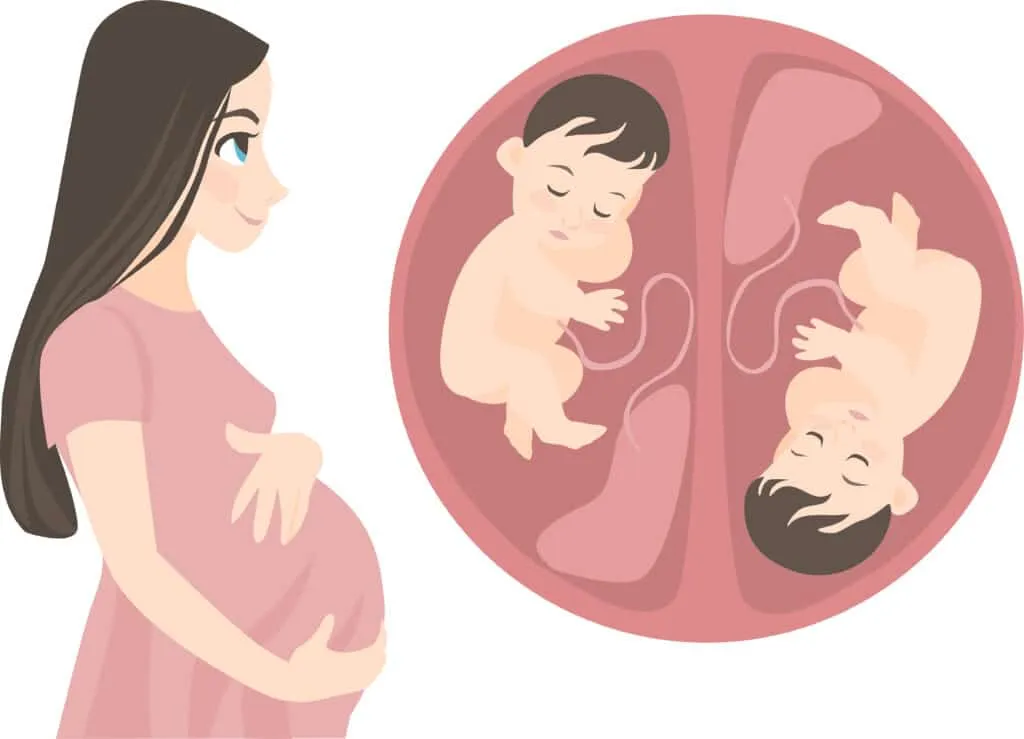
IVF multiple pregnancies are significantly more common than multiple births from natural conception. In the UK, approximately 1 in 5 IVF pregnancies result in twins or higher-order multiples, compared to just 1 in 80 with natural conception. While the idea of twins may seem appealing, IVF multiple pregnancies carry substantially higher health risks for both the mother and the babies — including premature birth, low birth weight, and serious complications during pregnancy and delivery.
If you are considering in-vitro fertilisation as part of your path to parenthood, understanding why IVF multiple pregnancies occur, what risks they involve, and how modern techniques can reduce those risks is essential for making safe, informed decisions. Whether you are using your own eggs, donor eggs, or donor sperm, this guide covers everything you need to know about IVF multiple pregnancies in the UK.
How Does IVF Work and Why Does It Lead to Multiple Pregnancies?
In-vitro fertilisation involves collecting eggs from the ovaries, fertilising them with sperm in a laboratory, and transferring the resulting embryos into the woman’s uterus. Embryos can be transferred at two stages: at the cleavage stage (day 2 to 3 after fertilisation) or at the blastocyst stage (day 5 to 6), when the embryo is more developed and selection of the strongest embryo is more reliable.
IVF multiple pregnancies occur primarily because more than one embryo is transferred during a cycle. When two or three embryos are placed in the uterus, the chance that more than one will successfully implant increases substantially. According to the HFEA, the multiple birth rate from IVF and ICSI cycles has historically been around 16%, compared to just 1–2% from natural conception. This elevated rate is the single biggest contributor to IVF multiple pregnancies in the UK.
The number of embryos transferred is the most significant controllable factor. The more embryos placed in the uterus, the higher the probability of IVF multiple pregnancies. This is why the HFEA now recommends strict limits: women under 40 should receive no more than two embryos, and women over 40 should receive a maximum of three. Many leading clinics go further, recommending elective single embryo transfer (eSET) as the default approach whenever clinically appropriate.
What Are the Different Types of Twins in IVF Multiple Pregnancies?
Understanding the two types of twins helps clarify why IVF multiple pregnancies are so common.
Fraternal (dizygotic) twins develop from two separate eggs, each fertilised by a different sperm cell. In IVF, the chances of fraternal twins are directly linked to the number of embryos transferred. If two embryos are placed in the uterus and both implant successfully, the result is fraternal twins. This is the most common type of twinning in IVF multiple pregnancies.
Identical (monozygotic) twins develop when a single fertilised embryo splits into two, creating genetically identical babies. Remarkably, the rate of identical twinning is also higher with IVF than with natural conception — although scientists are still researching exactly why. One finding is that the rate appears to be higher following blastocyst transfer (day 5 to 6 embryos), suggesting that the extended laboratory culture period or the transfer process itself may contribute to embryo splitting.
This means that even with a single embryo transfer, IVF multiple pregnancies can still occur if the embryo splits. Transferring two embryos could potentially result in triplets — two from one embryo splitting plus the second embryo implanting. Understanding these dynamics is important for anyone weighing the risks of IVF multiple pregnancies.
What Health Risks Do IVF Multiple Pregnancies Carry?
IVF multiple pregnancies are classified as the single largest health risk associated with fertility treatment. The NHS and the HFEA both emphasise that reducing multiple birth rates is a top priority for safe IVF practice in the UK.
The risks of IVF multiple pregnancies include premature birth, which is the most significant concern. Twins are typically born around 36 to 37 weeks — approximately 4 weeks earlier than a singleton pregnancy. Triplets arrive even earlier, usually around 33 weeks. Premature babies are more likely to need neonatal intensive care and may face long-term health challenges. Late miscarriage and stillbirth rates are higher in IVF multiple pregnancies compared to single pregnancies.
Low birth weight is common in multiples because the babies share space and nutrients in the womb. Preeclampsia (dangerously high blood pressure during pregnancy) occurs more frequently in women carrying multiples. Gestational diabetes is also more likely in IVF multiple pregnancies. Child disability, including cerebral palsy, is more common in babies born very prematurely from multiple pregnancies.
It is important to keep perspective: the majority of mothers carrying twins deliver healthy babies. But the statistical risks are real, and they are the driving force behind the medical community’s push to reduce IVF multiple pregnancies through single embryo transfer.
How Can You Reduce the Risk of IVF Multiple Pregnancies?
The most effective way to reduce IVF multiple pregnancies is elective single embryo transfer (eSET). This means transferring only one carefully selected embryo per cycle instead of two or more.
eSET has become the standard recommendation at many UK fertility clinics, particularly for women under 38 with good-quality embryos. The HFEA has actively campaigned to bring down multiple birth rates from IVF, and the results are significant: multiple birth rates from IVF in the UK have fallen from over 25% in the early 2000s to around 10% to 12% in recent years, largely due to increased adoption of eSET.
The concern some patients have with eSET is that transferring fewer embryos might reduce their overall chance of pregnancy. However, advances in embryo selection — particularly the ability to culture embryos to the blastocyst stage and use techniques like time-lapse monitoring and preimplantation genetic testing (PGT) — mean that clinics can now identify the single strongest embryo with greater accuracy. Per-cycle success rates with eSET using a high-quality blastocyst are comparable to transferring two cleavage-stage embryos, but with a dramatically lower risk of IVF multiple pregnancies.
Any remaining high-quality embryos can be frozen for future transfer cycles, preserving your options without increasing the risk of multiples in the current cycle.
What Should You Discuss With Your Fertility Clinic About IVF Multiple Pregnancies?
When you consult with a fertility clinic about IVF, the topic of IVF multiple pregnancies should be a central part of the conversation. Key questions to ask include what is the clinic’s multiple birth rate, and how does it compare to the national average published by the HFEA, how many embryos the clinic recommends transferring in your specific case and why, whether eSET is recommended for your age and embryo quality, what embryo selection techniques the clinic uses to identify the strongest embryo, and what happens to unused embryos — can they be frozen for future use.
The HFEA publishes detailed clinic-level data including singleton rates, live birth rates, and multiple birth rates. Use this data to compare clinics and choose one that prioritises safe, responsible IVF practice.
If you are using donor sperm from a sperm bank in the UK or through a platform like CoParents.co.uk — part of the CoParents network connecting over 150,000 users since 2008 — the same principles apply. Whether the sperm is from a partner, a known donor, or a bank, the number of embryos transferred remains the primary controllable factor in IVF multiple pregnancies.
What Is the Average Length of a Twin Pregnancy From IVF?
Women carrying twins from IVF multiple pregnancies typically deliver around week 36 to 37, approximately 3 to 4 weeks earlier than the standard 40-week full-term singleton pregnancy. Triplets usually arrive around week 33.
Fortunately, most babies born between 32 and 37 weeks are healthy, particularly with the high standard of neonatal care available in UK hospitals. However, babies born before 32 weeks face higher risks of complications and may require extended stays in neonatal intensive care.
Your pregnancy will be monitored more closely if you are carrying multiples. Expect more frequent scans, additional appointments, and closer monitoring for complications like preeclampsia and gestational diabetes. Your medical team will also discuss the timing and method of delivery — many twin pregnancies are delivered by planned caesarean section, though vaginal delivery is possible in some cases.
Frequently Asked Questions
How common are IVF multiple pregnancies in the UK?
Approximately 1 in 5 IVF pregnancies historically resulted in multiples, though this rate has fallen to around 10–12% in recent years thanks to the increased use of elective single embryo transfer. The HFEA continues to work with clinics to reduce IVF multiple pregnancies further.
Can you have twins with a single embryo transfer?
Yes. Identical (monozygotic) twins can occur when a single embryo splits after transfer. This happens at a slightly higher rate with IVF than with natural conception, particularly after blastocyst transfer. While uncommon, it means IVF multiple pregnancies are possible even with eSET.
Are IVF multiple pregnancies dangerous?
IVF multiple pregnancies carry higher risks than singleton pregnancies, including premature birth, low birth weight, preeclampsia, and stillbirth. The HFEA considers multiple births the single biggest health risk of fertility treatment. However, the majority of mothers carrying twins deliver healthy babies, especially with appropriate medical monitoring.
Should I ask for two embryos to be transferred to increase my chances?
Discuss this carefully with your fertility specialist. While transferring two embryos may slightly increase the chance of pregnancy in a single cycle, it significantly increases the risk of IVF multiple pregnancies and all associated complications. With modern embryo selection techniques, eSET offers comparable success rates with far lower risk.
How do I choose a clinic with a good track record on reducing IVF multiple pregnancies?
Use the HFEA clinic search tool to compare singleton rates, live birth rates, and multiple birth rates across licensed facilities. Choose a clinic that prioritises eSET, uses advanced embryo selection techniques, and has a multiple birth rate at or below the national average. This is one of the most important factors in reducing your risk of IVF multiple pregnancies.


Responses