
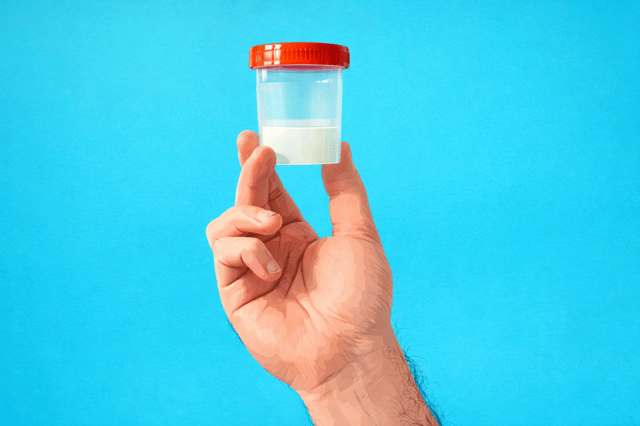
Free sperm donation is the process of providing a semen sample to help someone conceive a child, without receiving payment beyond reasonable expenses. In the UK, where it is illegal to pay donors anything more than expenses, free sperm donation is the standard model, whether you donate through an HFEA-licensed clinic or through a private arrangement. More than 70,000 donor-conceived children have been born in the UK since 1991, and around 4,300 births involving donor gametes were recorded in 2023 alone.
If you are considering free sperm donation, understanding the medical tests, legal implications, preparation steps, and how to connect with the right recipient is essential. At CoParents.co.uk, a co-parenting and sperm donation platform with over 150,000 users since 2008, we help connect sperm donors and intended parents in a transparent, supportive environment.
Ready to start your project?
Join +450,000 members who find their co-parent or sperm donor
Start free✓ Free ✓ No commitment ✓ Verified
What Does Free Sperm Donation Involve?
Free sperm donation is a procedure in which a donor provides a semen sample to help a woman conceive a child she is unable to have naturally. The sample can be used for home insemination, artificial insemination at a fertility clinic, or in vitro fertilisation (IVF). When managed through an HFEA-licensed clinic, the process includes collection, rigorous testing, cryopreservation (freezing), and a 180-day quarantine period before the sperm is released for use.
Free sperm donation provides a path to parenthood for a wide range of people. These include heterosexual couples experiencing male factor infertility (such as low sperm count, poor motility, or genetic conditions), same-sex female couples, and single women who wish to raise a child independently. According to HFEA data, single patients accounted for 48% of all donor insemination patients in 2023, and the number of single IVF patients increased from 2,021 in 2019 to 3,693 in 2023. The demand for free sperm donation continues to grow across all family types.
What Medical Tests Should a Donor Undergo Before Free Sperm Donation?
Before anyone can participate in free sperm donation, thorough medical screening is essential to protect the health of the recipient, the donor, and any child conceived. Research from the University of Sheffield found that only 3.9% of men who applied to licensed sperm banks were ultimately accepted, highlighting how rigorous the screening process is.
The standard tests required for free sperm donation include:
- HIV I and II
- Hepatitis B and C
- Chlamydia and gonorrhoea
- Syphilis
- HTLV and CMV
- Cystic fibrosis carrier testing
- Karyotype (chromosome analysis)
- Complete blood count and blood group
- Semen analysis: sperm count, motility, and morphology
Your GP may be contacted, with your consent, to verify your medical history. A review of your family health history going back at least two generations is also required to identify hereditary risks.
At HFEA-licensed clinics, counselling is mandatory before free sperm donation can proceed. A specialist counsellor will discuss the long-term implications, including the possibility that a donor-conceived person may request your identifying information after turning 18. Since April 2005, anonymous donation is no longer permitted in the UK through licensed clinics.
If you are donating privately, outside a clinic, the same level of screening is not legally required but is strongly recommended by the HFEA. On CoParents.co.uk, many donors and recipients agree to comprehensive health testing as part of their private arrangement.
What Are the Legal Rules for Free Sperm Donation in the UK?
The legal framework for free sperm donation in the UK depends entirely on where and how conception takes place. This is the most important distinction any donor must understand.
If you donate through an HFEA-licensed clinic, you have no legal parental rights or responsibilities. Under the Human Fertilisation and Embryology Act 2008, you are not the legal father, your name will not appear on the birth certificate, and you cannot be required to pay child maintenance. Your sperm can be used to create a maximum of 10 families in the UK. Donors at licensed clinics receive compensation of up to £45 per clinic visit for expenses only.
If you donate privately, outside a licensed clinic, the legal position is fundamentally different. You may be considered the legal father of the child with full parental and financial responsibility. The UK government states that you cannot opt out of legal fatherhood even if the mother agrees. A private donor agreement, while useful as evidence of intentions, is not legally binding.
A written donor agreement drafted by a family law solicitor is essential for any private free sperm donation arrangement. Legal fees typically range from £500 to £1,500. Before committing to free sperm donation, seek independent legal advice to ensure you fully understand your position.
How Should a Donor Prepare Before Free Sperm Donation?
Proper preparation can significantly improve the quality of your sample and the chances of successful conception. Here is what to do in the days leading up to free sperm donation.
Abstain from sexual activity for at least 2 to 5 days before the donation, including masturbation. This allows sperm count to build to optimal levels. However, abstaining for longer than 5 days can reduce motility, so timing matters.
Focus on nutrition. A healthy, balanced diet supports sperm quality. Foods rich in zinc (oysters, red meat, pumpkin seeds), selenium (brazil nuts, fish), folic acid (leafy greens, legumes), and antioxidants (berries, citrus fruits) can all help. The WHO Laboratory Manual for Human Semen (6th edition) emphasises that lifestyle factors have a measurable impact on semen parameters.
Avoid harmful substances for at least 10 days before donation. This includes caffeine in excess, alcohol, recreational drugs (cocaine, marijuana), tobacco, and certain medications such as sulfasalazine, nitrofurantoin, cimetidine, testosterone supplements, and some chemotherapy drugs. If you take prescription medication, consult your GP before making changes.
Stay hydrated and manage stress. Dehydration and high stress levels can both affect sperm quality. Regular exercise is beneficial, but avoid excessive heat exposure (saunas, hot baths, tight underwear) in the days before your donation, as elevated scrotal temperature can temporarily reduce sperm count.
How Does a Donor Provide Their Sample for Free Sperm Donation?
To preserve sperm quality, the sample should be passed to the recipient or clinic within one hour of ejaculation. Sperm can be damaged or killed if it remains outside the body for too long at room temperature.
To produce the donation, the donor should wash their hands thoroughly with soap and water, avoid using any lubricant, saliva, or other product that could damage sperm, ejaculate directly into a sterile container, and close the lid immediately. If any semen is spilled outside the container, do not attempt to recover it.
The sample can then be delivered directly to the recipient, dropped off at a fertility clinic or sperm bank, or passed through a trusted third party if the donor and recipient prefer not to meet in person. If the free sperm donation takes place through a clinic, the sample will be frozen, quarantined, and thawed before insemination.
Where Should Free Sperm Donation Take Place?
The location depends on both parties’ preferences and the type of arrangement.
At the recipient’s home: the donor produces the sample in a private room and passes it to the recipient in a sterile container. The recipient can then perform home insemination using a syringe kit. This is the most private and affordable option, but it means the donor becomes the legal father under UK law.
At a fertility clinic: the donor provides the sample on-site, or it is shipped from a sperm bank. The clinic handles preparation, screening, and insemination (IUI or IVF). This provides the strongest legal protections for both parties.
At a neutral location: some donors provide samples at a hotel or other private space, which are then transported to the recipient or clinic within the required timeframe.
Regardless of the location, both parties should agree on all practical arrangements, including the donor’s level of involvement in the child’s life, before the donation takes place. Clarity on this point prevents misunderstandings and potential disputes later.
What Should the Donor and Recipient Agree On Before Free Sperm Donation?
Before any donation takes place, the donor and recipient should discuss and document several critical points. Will the donor have any involvement in the child’s upbringing? Will they be known to the child? What happens if the donor’s circumstances change, for example if they start their own family? What happens if the recipient needs additional donations for a sibling?
These conversations are easier to have before conception than after a child has been born. A written agreement covering the donor’s intended level of involvement, financial expectations (or the explicit absence of them), how the child will be told about their origins, and what happens if either party’s situation changes provides essential clarity.
On CoParents.co.uk, donors and recipients communicate openly about these expectations from the start. The platform supports everything from simple free sperm donation arrangements to full co-parenting partnerships, with detailed profiles and private messaging to help both parties find the right match.
Frequently Asked Questions
Can I get paid for free sperm donation in the UK?
No. In the UK, it is illegal to pay donors anything beyond reasonable expenses. Licensed clinics offer up to £45 per visit to cover travel and incidental costs. Private donors may also be reimbursed for documented expenses such as travel and accommodation. Free sperm donation is, by definition, altruistic.
What medical tests are required before donating sperm?
Standard screening for free sperm donation includes tests for HIV, hepatitis B and C, chlamydia, gonorrhoea, syphilis, HTLV, and CMV, plus a semen analysis (count, motility, morphology), karyotype, cystic fibrosis carrier testing, and a review of family medical history. Counselling is mandatory at HFEA clinics.
What are the legal risks of donating sperm privately?
If you donate outside an HFEA-licensed clinic, you may be considered the legal father with full parental and financial responsibilities. You cannot opt out of this through a private agreement. A solicitor-drafted donor agreement is essential but is not legally binding. Donating through a licensed clinic eliminates these risks entirely.
How do I find someone who needs free sperm donation?
CoParents.co.uk connects donors with single women, same-sex couples, and heterosexual couples who need a donor. You can create a profile, browse recipients, and communicate privately before making any commitments. The platform has over 150,000 users across six countries.
How should I prepare my body before donating sperm?
Abstain from sexual activity for 2 to 5 days before donation. Eat a balanced diet rich in zinc, selenium, and folic acid. Avoid caffeine, alcohol, recreational drugs, and tobacco for at least 10 days. Stay hydrated, manage stress, and avoid excessive heat exposure. These steps help optimise sperm count and quality for your donation.