

What is a natural sperm donor?
A natural sperm donor is a man who helps someone conceive through sexual intercourse rather than through artificial insemination or a fertility clinic. This approach, known as natural insemination (NI), bypasses the need for syringes, catheters or laboratory procedures. Instead, conception happens through direct intimate contact between the donor and the recipient.
Natural sperm donation is growing in popularity among single women, lesbian couples and heterosexual couples facing fertility challenges who want a more personal and affordable route to parenthood. However, choosing a natural sperm donor comes with significant health, legal and emotional considerations that differ sharply from clinic-based donation. Understanding these risks before you proceed is essential.
On CoParents.co.uk, a co-parenting and sperm donation platform trusted by over 150,000 users since 2008, members can connect with donors who offer artificial insemination, and the platform encourages recipients to make fully informed decisions about whichever method they choose.
Ready to start your project?
Join +450,000 members who find their co-parent or sperm donor
Start free✓ Free ✓ No commitment ✓ Verified
How does natural insemination compare to artificial insemination?
The core difference is straightforward. Natural insemination (NI) involves sexual intercourse, while artificial insemination (AI) introduces sperm into the reproductive tract without sexual contact, either at home with a syringe or at a clinic via intrauterine insemination (IUI).
NI can feel more personal and may have slightly higher per-cycle conception rates because fresh sperm is deposited directly during intercourse. However, AI conducted through a licensed clinic offers medical screening, legal clarity and emotional boundaries that NI simply cannot match. According to the Human Fertilisation and Embryology Authority (HFEA), using a licensed clinic means the donor has no legal parental rights or responsibilities, which is not the case with natural insemination.
Here is a practical comparison:
- NI: no medical equipment needed, lower upfront cost, but no clinical oversight and significant legal risk
- AI at home: affordable (kits cost £15 to £40), private, but the donor may still have legal parental rights
- AI or IUI at a licensed clinic: costs £700 to £1,600 per cycle, but provides full donor screening, legal protection and professional support
What are the legal risks of using a natural sperm donor?
This is where natural sperm donation gets complicated. In the UK, a man who provides sperm through sexual intercourse is generally considered the legal father of any resulting child, regardless of any private agreement. This means a natural sperm donor could be liable for child support, could claim parental rights, and the child could have inheritance rights.
According to the HFEA, legal protections that remove a donor’s parental status only apply when conception takes place at a licensed fertility clinic. Private written agreements between a donor and recipient are not legally binding in UK family courts, although they can demonstrate intent if a dispute arises.
Key legal risks include:
- The donor being recognised as the legal father with full parental rights
- Potential child support obligations for the donor
- Custody or contact disputes if the relationship between donor and recipient breaks down
Anyone considering a natural sperm donor should consult a family law solicitor before proceeding. This applies equally to the donor and the recipient.
What health risks should you consider?
Because natural insemination involves unprotected sexual intercourse, the health risks are substantially higher than with artificial methods. The most serious concern is sexually transmitted infections. HIV, hepatitis B and C, chlamydia, gonorrhoea, syphilis and herpes can all be transmitted during intercourse.
Before engaging with any natural sperm donor, both parties should undergo comprehensive STI screening. The NHS recommends testing for all common STIs, and results should be recent, ideally within the previous three months. Keep in mind that some infections have a window period during which they will not show on tests, so a single screening is not a guarantee of safety.
Additional precautions include:
- Requesting a full semen analysis to check sperm count, motility and morphology
- Agreeing to sexual exclusivity during the donation period to reduce exposure risk
- Repeating STI tests if the process takes multiple cycles
With artificial insemination at a licensed clinic, donor sperm is quarantined for six months and the donor is retested before the sample is released, virtually eliminating STI transmission risk. This safeguard does not exist with natural insemination.
What are the ethical considerations?
Natural sperm donation raises ethical questions that go beyond the practical. Both donor and recipient need to think carefully about consent, boundaries and the emotional impact on everyone involved, including the future child.
Power dynamics can become unbalanced. A donor may use the arrangement to pursue a sexual relationship rather than genuinely helping someone conceive. Recipients may feel pressure to agree to NI when they would prefer artificial methods. Honest, open communication before any meeting is essential.
There is also the question of the child’s wellbeing. Children conceived through natural insemination may face confusion about the donor’s role, especially if the donor later seeks involvement or if the arrangement was never clearly defined. The decision to use donor sperm in any form should include a plan for how the child will be told about their origins.

How do you find and select a natural sperm donor safely?
If you have weighed the risks and decided to pursue natural insemination, selecting the right donor is critical. Here are five practical safety steps.
Step 1: Verify identity and background
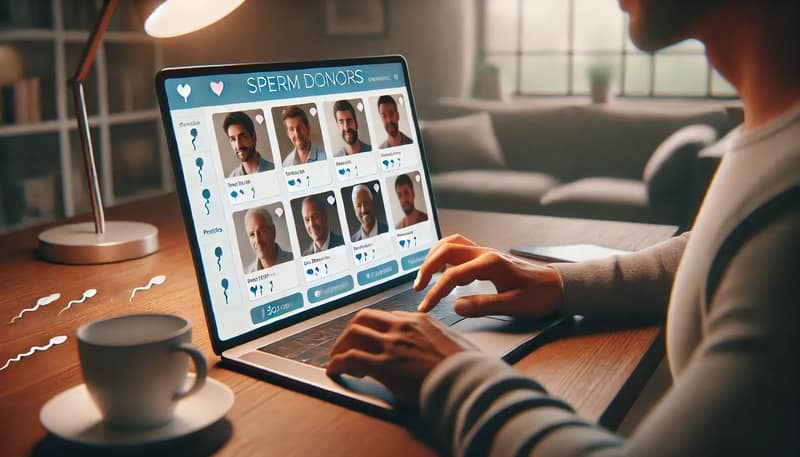
Never rely solely on an online profile. Meet the potential donor in a public place first, verify their identity with photo ID, and ask for references if possible. Review their donor profile carefully, paying attention to medical history, motivation and personal background.
Step 2: Require comprehensive health screening
Insist on recent STI test results and a semen analysis. Do not proceed without seeing documented evidence. If either party has other sexual partners, this must be disclosed.
Step 3: Discuss expectations and boundaries clearly
Talk openly about the donor’s expected level of involvement after conception. Will they have contact with the child? Will they contribute financially? What happens if either party changes their mind? These conversations should happen before any attempt at conception.
Step 4: Put agreements in writing
While a private agreement is not legally binding in the UK for natural insemination, having a written document that outlines intentions, responsibilities and expectations is still valuable. It demonstrates good faith and can be useful evidence if any dispute arises. Consider using a solicitor to draft this.
Step 5: Consider the alternatives
Before committing to NI, seriously consider whether home artificial insemination could achieve the same result with fewer risks. A sterile syringe and a collection cup are all you need, and this method avoids the legal, health and emotional complications of sexual intercourse with a donor.
What are the success rates with a natural sperm donor?
Natural sperm donation can have per-cycle conception rates of approximately 15% to 20% for women under 35, which is broadly comparable to natural unprotected intercourse between fertile partners. These rates are influenced by several factors:
- The recipient’s age: women under 30 have the highest success rates, while chances decline after 35 and drop more sharply after 40
- Sperm quality: count, motility and morphology all matter significantly
- Ovulation timing: insemination within the 12 to 24-hour window after ovulation gives the best results
- Overall health of both parties
Tracking ovulation accurately is vital regardless of the method you choose. Use ovulation predictor kits that detect the LH surge, chart your basal body temperature daily, and monitor cervical mucus changes. Aim for insemination one to two days before expected ovulation, as sperm can survive in the body for up to five days while the egg is viable for only 12 to 24 hours.
If you have not conceived after six well-timed cycles, consult a fertility specialist. There may be an underlying issue that requires medical investigation, and treatments such as IUI or IVF with donor sperm could be more appropriate.
Fertility clinic vs home insemination: which is right for you?
The choice between a fertility clinic and home insemination depends on your budget, your tolerance for risk and your personal circumstances.
A licensed fertility clinic offers the highest level of safety. Donors are screened for genetic conditions, STIs and psychological suitability. Sperm is quarantined and retested. Legal protections are automatic. The HFEA reports that thousands of children are born each year in the UK through regulated donor conception. However, private IVF with donor sperm can cost £5,000 to £10,000 per cycle, making it inaccessible for many.
Home artificial insemination is a practical middle ground. It is private, affordable and avoids the intimate contact of natural insemination. Many women on CoParents.co.uk successfully conceive this way by finding a trusted donor and following a careful process of health screening and ovulation tracking.
Natural insemination is the least regulated and highest-risk option. While it may suit a small number of people who have carefully considered all the implications, it should never be the default choice simply because it seems easier.
Frequently asked questions about natural sperm donors
Is using a natural sperm donor legal in the UK?
Yes, it is legal. There is no law against conceiving through sexual intercourse with a donor. However, the donor will likely be considered the legal father, with all the rights and obligations that entails. This is fundamentally different from using a licensed clinic, where the donor has no legal parental status.
How can I protect myself legally if I choose a natural sperm donor?
Seek independent legal advice before proceeding. Draft a written agreement covering parental intentions, financial responsibilities and contact arrangements. While such agreements are not binding for natural insemination in UK courts, they demonstrate intent and can be considered in legal proceedings.
What STI tests should a natural sperm donor take?
At a minimum, both parties should be tested for HIV, hepatitis B and C, chlamydia, gonorrhoea, syphilis and herpes. The NHS provides free STI testing through sexual health clinics. Tests should be no more than three months old, and retesting is advisable if the process extends over multiple cycles.
What is the difference between a natural sperm donor and a co-parent?
A natural sperm donor typically provides sperm with no ongoing parental role, though this is not guaranteed legally with NI. A co-parent actively shares parenting responsibilities, including time, decisions and often finances. The distinction should be agreed clearly before conception, but remember that courts will prioritise the child’s best interests over any private arrangement.
Are there safer alternatives to natural insemination?
Yes. Home artificial insemination using a sterile syringe is significantly safer and avoids the STI risk and legal complications of NI. For maximum protection, using a licensed HFEA clinic ensures full donor screening, legal clarity and professional medical support. CoParents.co.uk can help you find sperm donors in the UK who are open to artificial insemination methods.