
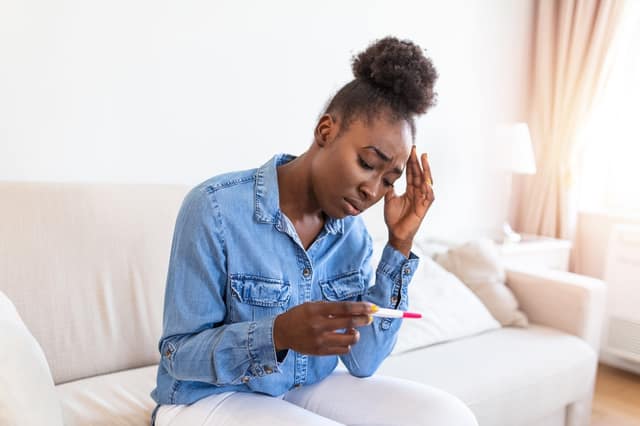
If you are trying to get pregnant fast, understanding the key biological factors involved in conception and making targeted lifestyle changes can significantly improve your chances. While there is no guaranteed timeframe for becoming pregnant, following evidence-based strategies can help you conceive sooner rather than later. Around 84% of couples conceive within one year of regular unprotected intercourse, and about half of those will get pregnant fast within the first three months. However, everyone’s body is different, and factors such as age, overall health, lifestyle habits and timing all play a role in how quickly conception occurs.
On CoParents.co.uk, a platform with over 150,000 members since 2008, people seeking sperm donors, co-parenting arrangements or fertility support can connect in a safe and informed community. This guide provides six proven tips to help you get pregnant fast, from optimising your diet and tracking ovulation to managing stress and knowing when to seek specialist help.
Track Your Ovulation to Get Pregnant Fast
The single most important step to get pregnant fast is to identify your fertile window and time intercourse accordingly. Ovulation typically occurs around 14 days before your next period starts, but this varies depending on the length of your menstrual cycle. You are most fertile in the five days leading up to ovulation and the day of ovulation itself. Sperm can survive in the female reproductive tract for up to five days, while an egg is viable for only 12 to 24 hours after release. This means having sex in the days before ovulation gives sperm time to be waiting when the egg is released.
Ready to start your project?
Join +450,000 members who find their co-parent or sperm donor
Start free✓ Free ✓ No commitment ✓ Verified
There are several methods to track your ovulation and get pregnant fast. Ovulation predictor kits (OPKs) detect the surge in luteinising hormone (LH) that occurs 24 to 36 hours before ovulation. These are available at pharmacies and are highly accurate when used correctly. Basal body temperature (BBT) tracking involves taking your temperature first thing every morning before getting out of bed. Your BBT rises slightly (about 0.5°F) after ovulation due to increased progesterone levels. Charting your temperature over several months can help you identify patterns and predict ovulation.
Monitoring cervical mucus changes is another effective method to get pregnant fast. As ovulation approaches, cervical mucus becomes clear, slippery and stretchy, resembling raw egg white. This fertile-quality mucus helps sperm travel through the cervix to meet the egg. After ovulation, mucus becomes thick and sticky again. The NHS recommends having sex every two to three days throughout your cycle to maximise your chances, as this ensures sperm is always present when ovulation occurs.
Adjust Your Diet to Get Pregnant Fast
What you eat plays a significant role in fertility and can help you get pregnant fast. A balanced diet rich in vitamins, minerals and antioxidants supports reproductive health and creates the best environment for conception. Focus on whole foods including fruits, vegetables, whole grains, lean proteins and healthy fats. Folic acid is particularly important for women trying to conceive. The NHS recommends taking 400 micrograms of folic acid daily from at least one month before conception until you are 12 weeks pregnant to reduce the risk of neural tube defects.
Iron-rich foods such as lean red meat, beans, lentils and fortified cereals support healthy ovulation and prevent anaemia. Omega-3 fatty acids from oily fish like salmon, mackerel and sardines regulate reproductive hormones and improve egg quality. Aim for two portions of fish per week, but limit high-mercury fish. Antioxidant-rich foods such as berries, nuts, dark leafy greens and colourful vegetables protect eggs and sperm from oxidative stress and DNA damage.
Taking a prenatal vitamin can help ensure you get all the nutrients needed to get pregnant fast and support a healthy pregnancy. Many women lack essential nutrients like iron, vitamin D and folate, which are crucial for conception and foetal development. Speak to your GP about which prenatal supplement is right for you. Our guide on fertility diet provides detailed nutrition advice for boosting your chances of conception.
Make Healthy Lifestyle Changes to Get Pregnant Fast
Certain lifestyle habits can significantly impact your ability to get pregnant fast. Stopping smoking is one of the most important changes you can make. Smoking damages egg quality, disrupts hormone levels, accelerates egg loss, and can bring on early menopause. It also damages the fallopian tubes and cervix, making conception more difficult. Men who smoke have reduced sperm count, motility and increased DNA damage. The good news is that quitting smoking can reverse many of these effects within a few months.
Reducing alcohol consumption is another key step to get pregnant fast. Heavy drinking disrupts hormone balance, affects ovulation and can reduce fertility in both men and women. The NHS advises avoiding alcohol when trying to conceive, as there is no known safe level during pregnancy. If you do drink, limit yourself to one or two units once or twice per week while trying to conceive.
Limiting caffeine intake may also help you get pregnant fast. While moderate caffeine consumption (under 200mg per day, equivalent to two cups of instant coffee) is considered safe, some studies suggest that higher intakes may reduce fertility. Cutting back on coffee, tea, energy drinks and cola can only help. Avoiding recreational drugs is essential, as substances like cannabis, cocaine and anabolic steroids all negatively affect fertility. Our article on alcohol and conception provides more detailed guidance.
Exercise Regularly to Get Pregnant Fast
Regular moderate exercise can help you get pregnant fast by improving overall health, regulating hormones and maintaining a healthy weight. Physical activity improves blood circulation throughout the body, including to the reproductive organs, which can enhance fertility. Exercise helps balance hormones such as insulin and cortisol, which when out of balance can disrupt ovulation. It also reduces stress, improves mood and promotes better sleep, all of which support conception.
The NHS recommends at least 150 minutes of moderate-intensity exercise per week for adults. Activities like brisk walking, swimming, cycling, yoga and dancing are all excellent choices when trying to get pregnant fast. Regular exercise helps maintain a healthy body weight, which is crucial for fertility. Being overweight or underweight can disrupt hormone production and interfere with ovulation. Women with a BMI over 30 or under 18.5 may experience irregular periods or stop ovulating altogether.
However, excessive or very intense exercise can have the opposite effect and make it harder to get pregnant fast. Over-exercising can suppress ovulation and lead to irregular or absent periods, particularly in women with low body fat. If you are a serious athlete or exercise at high intensity daily, consider reducing your training load while trying to conceive. Aim for moderate exercise that keeps you healthy without putting excessive stress on your body. Our guide on boosting fertility explores complementary approaches including exercise and stress management.
Reduce Stress Levels to Get Pregnant Fast
High stress levels can make it more difficult to get pregnant fast by disrupting hormone balance and affecting ovulation. Chronic stress increases cortisol production, which can interfere with reproductive hormones like oestrogen and progesterone. Stress can also affect the hypothalamus, the part of the brain that regulates the hormones that trigger ovulation. In some cases, severe stress can cause irregular periods or even stop ovulation completely.
While it is impossible to eliminate stress entirely, developing healthy coping strategies can improve your chances of conception. Relaxation techniques such as meditation, deep breathing exercises, progressive muscle relaxation and mindfulness can lower stress hormones and promote a sense of calm. Yoga and tai chi combine physical movement with mental relaxation and have been shown to reduce anxiety and improve fertility outcomes. Getting adequate sleep (7 to 9 hours per night) is crucial, as poor sleep increases stress and disrupts hormone production.
Making time for activities you enjoy, maintaining social connections and seeking support from friends, family or a counsellor can all help you manage stress while trying to get pregnant fast. If the process of trying to conceive is itself causing significant anxiety, consider taking a short break from actively tracking and timing intercourse. Sometimes reducing the pressure can actually improve your chances. Our article on alternative routes to pregnancy explores options beyond natural conception.
When Should You See a Fertility Specialist?
If you have been trying to get pregnant fast without success, knowing when to seek help is important. The general rule is to see your GP after one year of trying if you are under 35, or after six months if you are 35 or older. However, you should seek help sooner if you have known fertility risk factors such as irregular or absent periods, a history of pelvic inflammatory disease, endometriosis, PCOS, previous pelvic surgery, or if your partner has a known fertility issue.
Your GP will ask about your medical history, menstrual cycle, and lifestyle factors, and may arrange initial fertility tests. For women, this typically includes blood tests to check hormone levels and confirm ovulation, and possibly an ultrasound scan to examine the ovaries and uterus. For men, a semen analysis checks sperm count, motility and morphology. These tests can identify potential issues and guide appropriate treatment to help you get pregnant fast.
If initial tests reveal problems, your GP may refer you to a fertility specialist (reproductive endocrinologist). A specialist can offer more advanced diagnostic tests and treatments such as ovulation induction, intrauterine insemination (IUI), or in vitro fertilisation (IVF). Don’t wait too long to seek help if you are concerned. Early diagnosis and treatment of fertility issues can significantly improve your chances of conceiving. Our guide on becoming parents covers various pathways to parenthood including fertility treatment and alternative family structures.
What Other Factors Help You Get Pregnant Fast?
Beyond the main strategies, several additional factors can help you get pregnant fast. Having regular sex throughout your cycle is important, even if you are tracking ovulation. The NHS recommends having sex every two to three days to ensure sperm is always present when ovulation occurs. Don’t feel pressured to time sex only during your fertile window, as this can create stress and reduce enjoyment. Regular intimacy throughout the month keeps sperm healthy and reduces the pressure on specific fertile days.
Position during sex does not significantly affect your chances of conception, despite popular myths. Sperm are highly mobile and can reach the cervix regardless of position. You do not need to lie down with your legs in the air after sex. However, it may help to stay lying down for 10 to 15 minutes after intercourse to give sperm time to swim towards the cervix before gravity takes effect.
Both partners’ fertility matters when trying to get pregnant fast. Men can improve sperm health by maintaining a healthy weight, eating a balanced diet rich in antioxidants, avoiding smoking and excessive alcohol, managing stress, avoiding overheating the testicles (from hot baths, saunas or tight underwear), and limiting exposure to environmental toxins. Taking supplements such as zinc, selenium and vitamin E may support sperm quality. If your partner has concerns about fertility, encourage them to see a GP for a semen analysis.
Frequently Asked Questions
How long does it normally take to get pregnant?
About 84% of couples will get pregnant fast within one year of trying if they have regular unprotected sex (every two to three days). Around 50% conceive within the first three months. Age is a significant factor: women under 30 have about a 20% chance per cycle, which decreases to 5% by age 40. If you have been trying for a year (or six months if over 35) without success, see your GP.
What is the best time to have sex to get pregnant fast?
The best time to get pregnant fast is during your fertile window, which is the five days before ovulation and the day of ovulation itself. Having sex every two to three days throughout your cycle ensures sperm is always present when ovulation occurs. You can identify your fertile window by tracking ovulation using predictor kits, basal body temperature or cervical mucus changes.
Does diet really help you get pregnant fast?
Yes, a balanced diet supports reproductive health and can help you get pregnant fast. Focus on whole foods, lean proteins, healthy fats, fruits and vegetables. Take folic acid supplements (400 micrograms daily) before conception and during early pregnancy. Maintain a healthy weight, as being significantly overweight or underweight can disrupt ovulation and reduce fertility.
Can stress stop you from getting pregnant?
Yes, high stress levels can interfere with ovulation and make it harder to get pregnant fast. Chronic stress raises cortisol, which disrupts reproductive hormones. While you cannot eliminate stress completely, managing it through relaxation techniques, exercise, adequate sleep and seeking support can improve your chances of conception.
When should I see a fertility specialist?
See your GP after one year of trying if you are under 35, or after six months if you are 35 or older. Seek help sooner if you have irregular periods, known fertility issues, a history of pelvic disease or surgery, or if your partner has fertility concerns. Early investigation and treatment can significantly improve your chances to get pregnant fast.
If you are considering sperm donation, co-parenting or other routes to parenthood, join CoParents.co.uk for free and connect with others who share your goals. Our community has been helping people build families since 2008, providing support, information and connections throughout the journey to conception and beyond.