
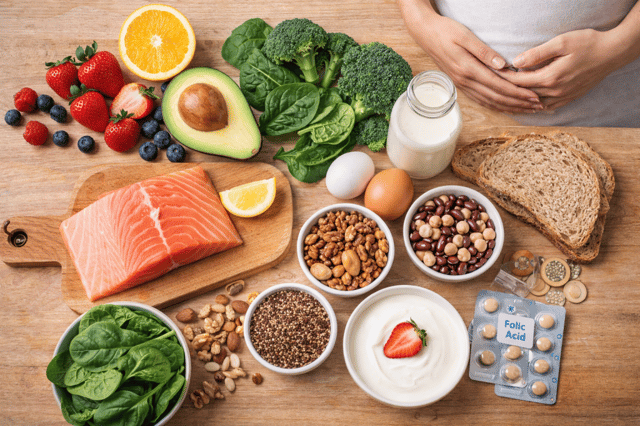
The most effective diet to get pregnant is one rich in fruits, vegetables, whole grains, healthy fats, and lean protein — in other words, a Mediterranean-style eating pattern. Research involving over 2,000 women found that only 17% of those following a Mediterranean diet had difficulty conceiving, compared to 26% of women eating a Western diet high in processed foods, red meat, and fast food. If you are trying to conceive — whether naturally, through IVF, or with the help of a donor — adjusting your diet to get pregnant faster is one of the simplest and most evidence-based steps you can take.
Why Is the Mediterranean Diet the Best Diet to Get Pregnant?
A 2024 review published in Nutrients analysed seven studies involving over 2,300 women undergoing fertility treatment. The findings showed that higher adherence to the Mediterranean diet was associated with improved clinical pregnancy rates and up to 2.6 times higher live birth rates among women under 35 undergoing their first IVF cycle. The diet appears to protect against ovarian dysfunction and support embryo quality, though researchers note that a threshold of adherence exists — beyond a certain point, stricter compliance does not produce additional benefits.
The Mediterranean diet to get pregnant focuses on eating plenty of vegetables, fruits, legumes, nuts, whole grains, fish, and olive oil, while limiting red meat, processed foods, sugar, and saturated fats. According to the NHS, a varied and balanced diet rich in these food groups also helps support a healthy pregnancy once conception occurs.
Ready to start your project?
Join +450,000 members who find their co-parent or sperm donor
Start free✓ Free ✓ No commitment ✓ Verified
What Foods Should You Eat on a Diet to Get Pregnant?
Building a diet to get pregnant around the following food groups gives you the best nutritional foundation for conception.
Fruits and vegetables should form the base of every meal. Aim for at least five portions per day. Tomatoes, peppers, leafy greens, avocados, berries, and citrus fruits are particularly rich in antioxidants, folate, and vitamins C and E — all linked to improved female fertility.
Whole grains such as brown rice, oats, quinoa, and wholemeal bread provide sustained energy and help regulate blood sugar. Stable blood sugar supports healthy ovulation, while refined carbohydrates and white bread can cause insulin spikes that may disrupt your cycle.
Healthy fats from olive oil, nuts, seeds, and oily fish (salmon, sardines, mackerel) are essential. These foods are rich in omega-3 fatty acids, which support hormone production and reduce inflammation. Replace butter and margarine with olive oil wherever possible.
Lean protein from fish, poultry, beans, lentils, and eggs is preferable to red meat when following a diet to get pregnant. Plant-based protein sources in particular have been linked to lower ovulatory infertility risk. Aim for at least two portions of fish per week, one of which should be oily.
Nuts and seeds such as almonds, walnuts, pumpkin seeds, and flaxseeds make excellent fertility-friendly snacks. They provide zinc, selenium, and vitamin E — nutrients that support both egg and sperm health.
What Foods Should You Avoid When Trying to Conceive?
A diet to get pregnant also means reducing or eliminating certain foods. Trans fats found in processed snacks, fast food, and commercially baked goods can disrupt ovulation and are linked to higher rates of infertility. Saturated fats from excessive red meat and full-fat dairy should be consumed in moderation. Sugary drinks, sweets, and refined carbohydrates cause blood sugar spikes that may interfere with hormonal balance.
Caffeine should be limited to 200 mg per day (roughly two cups of coffee), and alcohol consumption should be reduced as much as possible. Both have been associated with longer time to conception. If you are planning to become a parent through co-parenting or with a sperm donor via CoParents.co.uk — a co-parenting and sperm donation network with over 150,000 users since 2008 — optimising your diet before starting treatment gives you the best possible chance of success.
Does Diet Affect Male Fertility Too?
Yes. The Mediterranean diet is not just for women. Studies show that men who follow this eating pattern have higher sperm concentration and better sperm motility. According to the British Dietetic Association, a varied and balanced diet before and during pregnancy gives both parents and baby the best start. Antioxidant-rich foods help protect sperm from oxidative damage, while zinc (found in nuts, seeds, and shellfish) and folate (found in leafy greens) are critical for healthy sperm production. If both partners adopt a fertility-friendly diet, the combined effect can significantly improve conception chances.
Frequently Asked Questions
How long should I follow a diet to get pregnant before seeing results?
Most fertility specialists recommend following a healthy diet for at least 3 months before trying to conceive. This is the approximate time it takes for new eggs to mature and for sperm quality to improve following dietary changes.
Can a diet to get pregnant help with IVF success?
Yes. Research shows that women with higher Mediterranean diet scores before IVF have improved clinical pregnancy rates and live birth rates. A 2024 review found up to 2.6 times higher live birth rates among women under 35 who closely followed this dietary pattern.
Should I take supplements alongside a diet to get pregnant?
Folic acid (400 micrograms per day) is recommended for all women trying to conceive, starting at least one month before conception and continuing through the first 12 weeks of pregnancy. Vitamin D (10 micrograms per day) is also advised. A balanced fertility-friendly diet should provide most other nutrients, but your GP can advise on additional supplements based on your individual needs.