
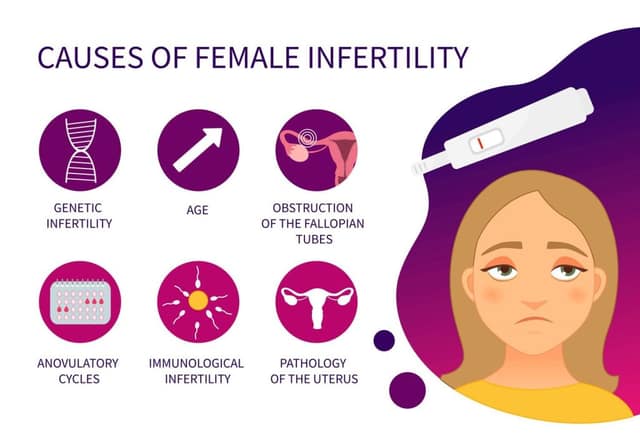
Understanding female infertility is essential for anyone struggling to conceive. Around 1 in 7 couples in the UK experience difficulty getting pregnant, and female infertility factors account for approximately one-third of these cases. The causes of female infertility are diverse, ranging from hormonal disorders like PCOS and irregular ovulation to structural issues such as blocked fallopian tubes, endometriosis and uterine abnormalities. Age is also a significant factor, with fertility declining noticeably after 35 and more sharply after 40. While struggling to conceive can be emotionally challenging, the good news is that many causes of female infertility are treatable. The NHS offers a range of fertility treatments, specialist support and diagnostic services to help couples on their journey to parenthood.
On CoParents.co.uk, a platform with over 150,000 members since 2008, people experiencing female infertility or seeking alternative routes to parenthood can connect with sperm donors, co-parents and support networks. This guide covers the ten most common causes of female infertility, how they are diagnosed, and what treatment options are available.
What Is Polycystic Ovary Syndrome and How Does It Cause Female Infertility?
Polycystic Ovary Syndrome (PCOS) is one of the most common causes of female infertility, affecting around 1 in 10 women of reproductive age in the UK. PCOS impacts hormone levels, causing the ovaries to produce higher than normal levels of androgens (male hormones). This hormonal imbalance disrupts the menstrual cycle and prevents regular ovulation. Women with PCOS often have multiple small cysts on their ovaries, though not all women with the condition develop visible cysts.
Ready to start your project?
Join +450,000 members who find their co-parent or sperm donor
Start free✓ Free ✓ No commitment ✓ Verified
Symptoms of PCOS-related female infertility include irregular or absent periods, difficulty predicting ovulation, excessive hair growth (hirsutism) on the face, chest or back, acne and oily skin, thinning hair on the scalp, and weight gain or difficulty losing weight. The irregular ovulation associated with PCOS makes it harder to conceive naturally, as eggs may not be released regularly or at all. Without regular ovulation, there is no egg available for sperm to fertilise.
Treatment for PCOS-related female infertility often starts with lifestyle changes. Losing even 5-10% of body weight can help restore regular ovulation in overweight women with PCOS. Fertility medications like Clomid (clomifene citrate) can stimulate ovulation by encouraging the ovaries to release eggs. Metformin, a diabetes medication, may also be prescribed to improve insulin resistance common in PCOS. If medication does not work, fertility treatments such as IVF or ovarian drilling surgery (a minor procedure to stimulate ovulation) may be recommended. Our guide on boosting female fertility provides additional support.
How Does Irregular Ovulation Contribute to Female Infertility?
Irregular ovulation is a major cause of female infertility, accounting for around 25% of all fertility problems. Ovulation is the process where a mature egg is released from the ovary each month. Without regular ovulation, conception cannot occur. Women with irregular ovulation may have very long cycles (over 35 days), very short cycles (under 21 days), or unpredictable cycle lengths that vary significantly from month to month.
Several factors can cause irregular ovulation leading to female infertility. PCOS is the most common cause, but problems with the pituitary gland (which produces hormones that trigger ovulation) can also be responsible. Thyroid disorders, both overactive (hyperthyroidism) and underactive (hypothyroidism), disrupt the hormonal balance needed for regular ovulation. Excessive exercise, eating disorders, significant weight loss or gain, and high stress levels can all interfere with the hypothalamic-pituitary-ovarian axis that controls ovulation.
Tracking your cycle can help identify irregular ovulation. Ovulation predictor kits detect the surge in luteinising hormone (LH) that occurs before ovulation. Basal body temperature charting shows a slight temperature rise after ovulation. If you notice irregular patterns or absent ovulation for several months, speak to your GP. Treatment for ovulation-related female infertility typically involves fertility drugs like Clomid or letrozole to stimulate regular egg release. Addressing underlying causes such as thyroid problems or weight issues can also restore natural ovulation. Our article on getting pregnant faster covers ovulation tracking in detail.
What Is Tubal Infertility and How Is It Treated?
Tubal infertility, also called tubal factor female infertility, occurs when the fallopian tubes are damaged, blocked or absent. The fallopian tubes are the pathways that transport eggs from the ovaries to the uterus. They are also where fertilisation normally occurs when sperm meets egg. If the tubes are blocked or damaged, sperm cannot reach the egg, or a fertilised egg cannot travel to the uterus, making natural conception impossible.
Several conditions can cause tubal female infertility. Pelvic inflammatory disease (PID), often caused by untreated sexually transmitted infections like chlamydia or gonorrhoea, can scar and block the fallopian tubes. Endometriosis can cause adhesions that distort or block the tubes. Previous abdominal or pelvic surgery, including appendectomy or surgery for ectopic pregnancy, can create scar tissue. A history of ectopic pregnancy itself indicates tubal damage and increases the risk of future tubal infertility.
Many women with tubal female infertility have no symptoms and only discover the problem when undergoing fertility investigations. Diagnosis is made through a hysterosalpingogram (HSG), an X-ray procedure where dye is injected through the cervix to check if the tubes are open. Treatment depends on the severity and location of blockage. Minor blockages may be cleared surgically, but severe damage often requires IVF to bypass the fallopian tubes entirely. With IVF, eggs are retrieved directly from the ovaries and fertilised in a laboratory before being transferred to the uterus.
How Does Endometriosis Cause Female Infertility?
Endometriosis affects around 1 in 10 women of reproductive age and is a significant cause of female infertility. This condition occurs when tissue similar to the lining of the uterus (endometrium) grows outside the uterus, typically on the ovaries, fallopian tubes, bowel or pelvic lining. This misplaced tissue behaves like normal endometrial tissue, thickening and bleeding with each menstrual cycle, but has nowhere to exit the body.
Endometriosis contributes to female infertility in several ways. It causes inflammation and scarring in the pelvic cavity, which can distort anatomy and block fallopian tubes. Endometrial implants on the ovaries can form cysts (endometriomas) that damage healthy ovarian tissue and reduce egg quality. The inflammatory environment created by endometriosis may interfere with fertilisation, egg quality and embryo implantation. Adhesions (scar tissue) can cause organs to stick together, further disrupting reproductive function.
Symptoms of endometriosis include painful periods (dysmenorrhoea), pain during or after sex, pelvic pain outside of menstruation, painful bowel movements or urination during periods, and heavy menstrual bleeding. However, some women with severe endometriosis have no symptoms at all and only discover the condition when investigating female infertility. Treatment options include surgical removal of endometrial tissue and adhesions (laparoscopy), hormonal therapies to suppress endometriosis growth, and fertility treatments like IVF. The advice for women with endometriosis is to try to conceive earlier if possible, as fertility declines more sharply after age 35. Our guide on supporting fertility issues provides emotional support resources.
What Role Do Uterine Abnormalities Play in Female Infertility?
Uterine abnormalities are structural problems with the uterus that can cause female infertility or recurrent miscarriage. The uterus is where a fertilised embryo implants and grows throughout pregnancy. Abnormalities in uterine shape, structure or lining can prevent implantation or make it difficult to carry a pregnancy to term. Some uterine abnormalities are congenital (present from birth), while others develop over time.
Common uterine causes of female infertility include uterine septum (a band of fibrous tissue that partially or completely divides the uterus), bicornuate uterus (heart-shaped uterus), unicornuate uterus (only half of the uterus develops), and intrauterine adhesions or Asherman’s syndrome (scar tissue inside the uterus following surgery or infection). A septate uterus is the most common congenital uterine abnormality affecting fertility and significantly increases the risk of miscarriage and preterm labour.
Uterine fibroids (benign tumours) can also contribute to female infertility depending on their size and location. Large fibroids or those located within the uterine cavity (submucosal fibroids) can interfere with implantation or distort the uterine shape. Symptoms of uterine abnormalities may include recurrent miscarriage, abnormally heavy or painful periods, and difficulty conceiving. Diagnosis is made through ultrasound, hysteroscopy (camera examination of the uterus), or MRI. Treatment often involves minor surgery to remove septums, fibroids or adhesions, which can dramatically improve fertility outcomes and reduce miscarriage risk.
How Does Age Affect Female Infertility Through Egg Quality?
Age-related decline in egg quality is one of the most common causes of female infertility, particularly for women over 35. Women are born with all the eggs they will ever have—around 1 to 2 million at birth. This number decreases throughout life, falling to about 300,000 by puberty and continuing to decline with each menstrual cycle. By age 40, only around 25,000 eggs remain, and by menopause, the supply is essentially exhausted.
More importantly for female infertility, egg quality decreases significantly with age. As women get older, eggs are more likely to have chromosomal abnormalities, which reduces the chances of fertilisation, increases miscarriage risk, and raises the likelihood of chromosomal conditions like Down syndrome. By age 40, up to 80% of a woman’s eggs may be chromosomally abnormal. This is why pregnancy rates decline and miscarriage rates increase dramatically after 35, with an even steeper decline after 40.
There is no direct test for egg quality, but fertility specialists can assess ovarian reserve (the number of remaining eggs) through blood tests measuring AMH (anti-Müllerian hormone) and FSH (follicle-stimulating hormone), and through antral follicle count on ultrasound. Unfortunately, there is no way to improve egg quality once it has declined. For women wanting to delay childbearing, egg freezing in their twenties or early thirties can preserve younger, higher-quality eggs for future use. Women experiencing age-related female infertility may need IVF, and some may consider using donor eggs from younger women. Our article on having a baby at 40 provides guidance for older mothers.
How Does BMI Affect Female Infertility?
Body weight has a significant impact on female infertility. Being significantly overweight or underweight can make it four times harder to conceive and increases miscarriage risk six-fold. Both extremes affect hormone production and ovulation, making conception difficult. The ideal BMI for fertility is between 18.5 and 24.9. Women outside this range may experience irregular periods, absent ovulation, and reduced response to fertility treatments.
Being overweight (BMI over 25) or obese (BMI over 30) causes female infertility through several mechanisms. Excess body fat produces oestrogen, which disrupts the delicate hormonal balance needed for regular ovulation. Obesity is associated with insulin resistance, which further affects hormone production and egg quality. Overweight women are also at higher risk of PCOS, which compounds fertility problems. During pregnancy, obesity increases risks of gestational diabetes, preeclampsia and delivery complications.
Being underweight (BMI under 18.5) also causes female infertility. Insufficient body fat means the body does not produce enough oestrogen for regular ovulation. Women who are very underweight, particularly those with eating disorders or who exercise excessively, may stop having periods altogether (amenorrhoea). The pituitary gland stops releasing the hormones needed to trigger ovulation when the body perceives it does not have sufficient energy reserves for pregnancy.
The good news is that weight-related female infertility is often reversible through lifestyle changes. Losing just 5-10% of body weight can restore regular ovulation in overweight women. Similarly, gaining weight to reach a healthy BMI can restart periods and ovulation in underweight women. Your GP or fertility specialist can provide guidance on achieving a healthy weight for conception. This is one of the most controllable factors affecting female infertility.
What Is Unexplained Female Infertility?
Unexplained female infertility affects around 5-10% of couples undergoing fertility investigations. This diagnosis is given when all standard fertility tests come back normal—ovulation is regular, fallopian tubes are open, the uterus appears normal, and the male partner has normal semen analysis—yet the couple still cannot conceive. This can be incredibly frustrating and emotionally difficult for couples who are desperate for answers.
Possible hidden causes of unexplained female infertility may include subtle egg quality issues not detected by standard tests, problems with fertilisation that only become apparent in a laboratory setting (during IVF), mild endometriosis not visible on ultrasound, immune system factors that prevent implantation, or timing issues where intercourse does not coincide with the fertile window despite appearing to. Some cases may simply be due to the natural variability in conception rates—even in ideal circumstances, the chance of pregnancy per cycle is only around 20-25%.
Treatment for unexplained female infertility typically starts conservatively. Couples may be advised to continue trying naturally for a specific period, particularly if the woman is under 35. Lifestyle optimisation (healthy weight, reducing alcohol, stopping smoking) is always recommended. Ovulation induction with Clomid may be tried even though ovulation appears normal, as it can increase the number of eggs released. Intrauterine insemination (IUI), where sperm is placed directly in the uterus, may be offered to improve the chances of fertilisation. If these approaches do not work or if the woman is over 35, IVF is usually the next step. Our guide on artificial insemination explores alternative conception methods.
How Do Infections Contribute to Female Infertility?
Infections are a preventable cause of female infertility, yet they affect thousands of women in the UK each year. Sexually transmitted infections (STIs), particularly chlamydia and gonorrhoea, are the main culprits. These infections often have no obvious symptoms in women, meaning they can go undetected and untreated for months or years, during which time they cause progressive damage to the reproductive organs.
Untreated chlamydia and gonorrhoea can lead to pelvic inflammatory disease (PID), a serious infection of the upper reproductive tract including the uterus, fallopian tubes and ovaries. PID causes inflammation, scarring and adhesions that can block or damage the fallopian tubes, leading to tubal female infertility. Even mild cases of PID can cause lasting damage. Women who have had PID are six times more likely to experience ectopic pregnancy and may face permanent infertility if both tubes become blocked.
Prevention is key for infection-related female infertility. Use condoms consistently with new or multiple partners. Get regular sexual health screening, particularly if you change partners or have any symptoms. The NHS offers free, confidential STI testing at sexual health clinics and some GP surgeries. If you do contract an STI, complete the full course of antibiotics and ensure all sexual partners are treated to prevent reinfection. Early treatment of STIs can prevent progression to PID and protect your fertility. If you experience persistent pelvic pain, abnormal vaginal discharge, pain during sex, or bleeding between periods, see your doctor promptly, as these may be signs of infection requiring treatment.
When Should You Seek Help for Female Infertility?
Knowing when to seek medical help for female infertility is important, as early intervention can identify and treat problems more effectively. The general guideline is to see your GP if you have been trying to conceive for one year without success if you are under 35, or six months if you are 35 or older. However, you should seek help sooner if you have known risk factors for female infertility.
See your GP earlier if you have irregular periods or no periods, a history of pelvic inflammatory disease or STIs, known endometriosis or PCOS, previous ectopic pregnancy or abdominal surgery, a BMI under 18.5 or over 30, or if your partner has known fertility issues. Your GP will ask about your medical history, menstrual cycle, and lifestyle factors, and may arrange initial fertility tests including blood tests to check hormone levels and confirm ovulation, and ultrasound scans to examine the ovaries and uterus.
Your partner will also be tested with a semen analysis to check sperm count, motility and morphology. If initial tests reveal problems, you will be referred to a fertility specialist for more detailed investigation and treatment. The NHS provides fertility services including diagnostic tests and some treatment cycles, though eligibility and waiting times vary by area. Don’t delay seeking help if you have concerns about female infertility—early diagnosis and treatment can make a significant difference to your chances of conceiving.
Frequently Asked Questions
What are the most common causes of female infertility?
The most common causes of female infertility are irregular ovulation (including PCOS), age-related decline in egg quality, blocked or damaged fallopian tubes, endometriosis, and uterine abnormalities. Lifestyle factors such as being significantly overweight or underweight also contribute to fertility problems. Around 25% of female infertility cases are due to ovulation disorders, while tubal factors and endometriosis each account for around 20% of cases.
How is female infertility diagnosed?
Female infertility is diagnosed through a combination of medical history, physical examination, blood tests to check hormone levels and confirm ovulation, ultrasound scans to examine the ovaries and uterus, and hysterosalpingogram (HSG) to check if fallopian tubes are open. Additional tests may include laparoscopy to look for endometriosis or adhesions, and assessment of ovarian reserve through AMH and FSH blood tests.
Can female infertility be treated?
Yes, many causes of female infertility can be treated successfully. Treatment depends on the underlying cause and may include lifestyle changes (weight loss or gain), fertility medications to stimulate ovulation (Clomid, letrozole), surgery to remove fibroids, endometriosis or blockages, intrauterine insemination (IUI), or in vitro fertilisation (IVF). Success rates vary depending on age, cause of infertility, and treatment type.
When should I see a doctor about female infertility?
See your GP if you have been trying to conceive for one year without success if you are under 35, or six months if you are 35 or older. Seek help sooner if you have irregular periods, known PCOS or endometriosis, previous pelvic infections or surgery, a history of ectopic pregnancy, or a BMI outside the healthy range. Early investigation and treatment of female infertility improves your chances of success.
Does age really affect female fertility that much?
Yes, age is one of the most significant factors in female infertility. Fertility begins to decline gradually after 30, more noticeably after 35, and sharply after 40. By age 40, up to 80% of eggs may be chromosomally abnormal, increasing miscarriage risk and reducing pregnancy chances. This is due to declining egg quality and quantity, both of which cannot be reversed or improved once they have declined.
If you are experiencing female infertility or considering alternative routes to parenthood such as sperm donation or co-parenting, join CoParents.co.uk for free and connect with others who share your goals. Our community has been helping people build families since 2008, providing support, information and connections throughout the fertility journey.