
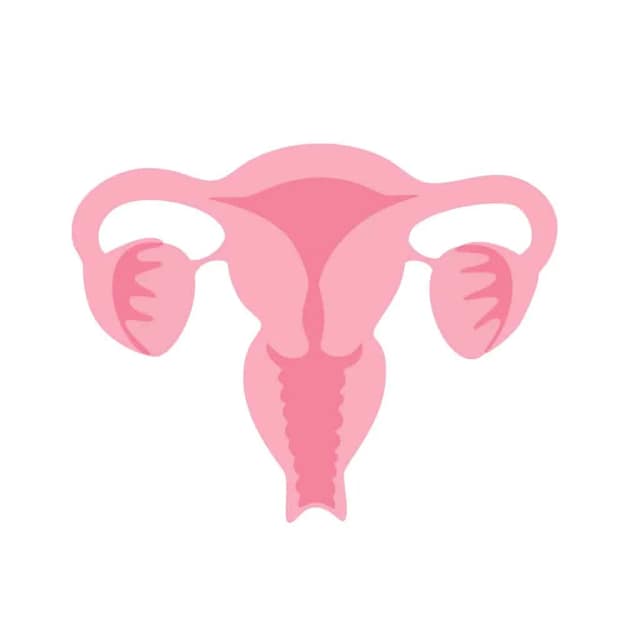
A womb transplant is a surgical procedure that allows someone born without a functioning uterus, or who has lost one to illness, to carry and give birth to their own child. Once purely experimental, the operation has now produced around 50 healthy babies worldwide, including two births in the UK within the last year. What was once described as science fiction is now a small but growing area of reproductive medicine, with dedicated research programmes operating in more than a dozen countries. This guide covers how a womb transplant works, its history so far, and where things stand for women considering this route to parenthood today.
What Is a Womb Transplant?
A womb transplant involves surgically implanting a donated uterus into a person who does not have a functioning one of their own. The recipient does not conceive naturally straight away; instead, embryos created through IVF beforehand are transferred into the transplanted organ once it has healed, usually around a year after the operation.
The surgery itself is lengthy and highly specialised. Connecting the donated organ’s blood vessels to the recipient’s own circulation is the most delicate part of the operation, and it can take surgical teams well over ten hours to complete. Recovery from the transplant surgery itself typically takes several weeks before embryo transfer can even be considered.
Ready to start your project?
Join +450,000 members who find their co-parent or sperm donor
Start free✓ Free ✓ No commitment ✓ Verified
If a pregnancy is carried successfully, the baby is delivered by caesarean section, since labour would put too much strain on the transplanted womb. The organ is typically removed again after one or two successful pregnancies, so recipients do not need to stay on anti-rejection medication for life.
Who Might Need One?
The most common reason someone considers this surgery is Mayer-Rokitansky-Küster-Hauser (MRKH) syndrome, a condition affecting around 1 in 5,000 women in which the womb is absent or underdeveloped from birth, despite otherwise normal ovaries. Others may have lost their uterus to cancer treatment, severe fibroids, or complications from a previous birth, such as a hysterectomy performed to save their life after severe bleeding.
Age and general health also matter. Candidates are typically assessed for their overall fitness for major surgery and for IVF treatment, since both the transplant and the pregnancy that follows place significant demands on the body. Most current programmes, including the UK’s, only accept a small number of candidates each year, given how resource-intensive the surgery and follow-up care are.
In all these cases, the ovaries and eggs are usually unaffected, which is what makes a womb transplant a viable option: it addresses the physical ability to carry a pregnancy, not the ability to produce eggs. This distinction is also why the procedure differs so much from other causes of infertility, which more often involve egg or sperm quality rather than a missing organ.
How the Surgery Actually Works
Donors can be living or deceased. A living donor is often a close relative, such as a mother or sister, who has completed her own family and no longer needs her womb. A deceased donor womb comes through the same organ donation system used for kidneys or livers, regulated in the UK by the Human Tissue Authority (HTA).
Before the operation, the recipient and her partner typically create and freeze several embryos through IVF. Once the transplanted organ has settled, usually after 6 to 12 months on immunosuppressant medication to prevent rejection, doctors transfer one embryo at a time and monitor the pregnancy closely.
A Brief History of the Procedure
The first attempt at a womb transplant took place in Saudi Arabia in 2000, but the donated organ was rejected after around four months, a result that highlighted just how difficult the surgery would be to perfect. In 2011, Turkish surgeons carried out a transplant on patient Derya Sert, though her first pregnancy attempt ended in miscarriage.
The breakthrough came in Sweden in 2014, when a 36-year-old woman gave birth to a healthy boy after receiving a womb from a family friend, in the world’s first successful birth from a transplanted uterus. The Swedish team, led by Dr Mats Brännström at the University of Gothenburg, went on to deliver several more babies, including sibling pairs born from the same donated organ, and later pioneered a robot-assisted keyhole technique to make donor surgery less invasive.
Since that first Swedish birth, more than a dozen countries, including the US, China, France, Germany, India and Turkey, have carried out over 100 procedures between them, with roughly 50 babies born worldwide as a result. Most of these have used living donors, though deceased-donor cases have now been recorded in Brazil, the US and, most recently, the UK.
| Year | Milestone |
|---|---|
| 2000 | First-ever womb transplant attempt, Saudi Arabia (rejected after 4 months) |
| 2014 | First successful worldwide birth from a transplanted uterus, Sweden |
| 2023 | First UK womb transplant, living donor (Grace Davidson) |
| 2025 | First UK birth from the procedure, baby Amy Isabel |
| 2025 | First UK birth from a deceased-donor transplant, baby Hugo |
Womb Transplant in the UK: What’s Actually Happened
The UK’s first successful case took place in January 2023, when Grace Davidson, who has MRKH syndrome, received her older sister Amy’s womb as part of the Womb Transplant UK living donor programme. In February 2025, Grace gave birth to her daughter, Amy Isabel, by caesarean section at Queen Charlotte’s and Chelsea Hospital in London, the first birth in the UK following a womb transplant.
A second UK milestone followed later that year: Grace Bell, who also has MRKH syndrome, received a womb from a deceased donor in June 2024 and gave birth to her son, Hugo, in December 2025, becoming the first person in the UK to have a baby using an organ transplanted from someone who had died. Both cases were approved and monitored by the Human Tissue Authority, which oversees all living organ donation approvals in the UK.
The UK living donor programme, funded by the charity Womb Transplant UK and delivered with Imperial College Healthcare NHS Trust, Oxford University Hospitals and The Lister Hospital, is approved for five transplant operations in total, so more UK births are expected to follow in the coming years. The teams involved have described the work as the culmination of more than 25 years of research, led throughout by consultant gynaecological surgeon Professor Richard Smith and consultant transplant surgeon Isabel Quiroga.
What Are the Risks and Alternatives to a Womb Transplant?
This is major surgery, and the recipient takes immunosuppressant drugs throughout the pregnancy to prevent organ rejection, which carries its own risks and side effects, including a higher susceptibility to infection. The procedure is also not widely available and currently limited to small, closely monitored research programmes rather than routine NHS treatment. Waiting lists for a suitable donor, particularly a deceased one, can also run into years, which is worth planning for emotionally as well as practically.
Cost is another practical factor to weigh up carefully. Even where a research programme covers surgical fees, candidates and their families are often asked to help fund elements of their care, and public appeals to raise money toward transplant programmes are common in the UK and elsewhere.
For people who cannot or do not want to pursue this route, other options to parenthood remain well established. A surrogate mother can carry a pregnancy using the intended parents’ own embryo, and surrogacy is legal in the UK, though it comes with its own legal process. Adoption remains another established path for people unable to carry a pregnancy themselves, regardless of the underlying cause, and many families also look into the cost of fertility treatment before deciding which route fits their circumstances.
Frequently Asked Questions About Womb Transplant Surgery
Is a womb transplant available on the NHS?
Not routinely. It currently happens through a small, dedicated research programme run with NHS hospital partners, rather than as standard NHS treatment.
How many babies have been born from a womb transplant?
Around 50 babies have been born worldwide following the procedure, including two in the UK, after more than 100 operations across over a dozen countries.
Can you get pregnant naturally after a womb transplant?
No. Pregnancy afterwards happens through IVF, using embryos created and frozen before the operation, since natural conception is not part of the process.
Is the transplanted womb removed after pregnancy?
Usually, yes. It is typically removed after one or two successful pregnancies so the recipient can stop taking anti-rejection medication.
What condition most often leads to a womb transplant?
MRKH syndrome, a condition where the womb is absent or underdeveloped from birth despite normal ovaries, is the most common reason someone pursues one.
Who was the first person to have a baby this way in the UK?
Grace Davidson, who has MRKH syndrome, gave birth to her daughter Amy Isabel in February 2025 after receiving her sister’s womb in 2023, the UK’s first such birth.
A womb transplant is still a rare and highly specialised procedure, but the UK’s first two births show it has moved from theory to reality. For most people facing uterine factor infertility, surrogacy and adoption remain the more accessible options, though this procedure may become more widely available as the UK programme continues and more surgical teams gain experience. Anyone considering this path is likely to need years of patience, a strong support network, and realistic expectations about how experimental the field still is.
If you’re exploring surrogacy, donor conception or co-parenting as part of your own path to parenthood, CoParents.co.uk connects people building families in every configuration, with a verified, supportive community behind them. Join CoParents.co.uk today to find out more.