
Hyperemesis Gravidarum: Causes, Symptoms, Treatments, and What You Need to Know

Hyperemesis gravidarum (HG) is a severe pregnancy condition that causes extreme, persistent nausea and vomiting — far beyond what most people experience as ordinary morning sickness. Affecting between 0.5% and 2% of pregnant women, hyperemesis gravidarum can make it nearly impossible to keep down food or fluids, leading to dangerous dehydration, significant weight loss, and serious impacts on daily life. The condition gained widespread public attention when Catherine, Princess of Wales, was hospitalised with it during all three of her pregnancies.
If you are pregnant or planning to conceive — whether naturally, through donor insemination, or via IVF — understanding hyperemesis gravidarum is important. Recognising the symptoms early, knowing how it differs from normal morning sickness, and understanding the treatments available can make the difference between suffering in silence and getting the medical support you and your baby need.
What Is Hyperemesis Gravidarum?
Hyperemesis gravidarum is a pregnancy complication characterised by severe, relentless nausea and vomiting that goes far beyond typical morning sickness. Women with HG often cannot keep down any food or drink at all, which leads to dehydration, electrolyte imbalances, and nutritional deficiencies that can be dangerous for both mother and baby.
According to the NHS, hyperemesis gravidarum typically begins in the first six weeks of pregnancy and can persist for weeks, months, or — in the most severe cases — throughout the entire pregnancy. Unlike morning sickness, which usually resolves by the end of the first trimester, HG can continue well into the second and third trimesters, leaving women physically exhausted and emotionally drained.
The condition is clinically defined by vomiting so severe that it causes a weight loss of 5% or more of pre-pregnancy body weight, signs of dehydration including dark urine, dizziness, and rapid heartbeat, and an inability to tolerate food or fluids for sustained periods.
How Is Hyperemesis Gravidarum Different From Morning Sickness?
Many people confuse hyperemesis gravidarum with morning sickness, but the two conditions are vastly different in severity, duration, and impact.
Morning sickness affects the majority of pregnant women during the first 12 weeks. It involves occasional nausea and vomiting, mild loss of appetite, and minor discomfort. Most women with morning sickness can still eat, drink, go to work, and carry out their daily activities without major disruption.
Hyperemesis gravidarum is a medical condition that can be debilitating. Women with HG experience persistent, severe nausea that does not ease, vomiting multiple times per day — sometimes dozens of times, near-total loss of appetite, significant weight loss, dehydration requiring medical intervention, inability to work or carry out basic daily tasks, and exhaustion, depression, and social isolation.
The distinction is important because hyperemesis gravidarum is not a more intense version of morning sickness — it is a clinically recognised condition that requires medical treatment. Women suffering from HG should never be told to simply “ride it out” or that their symptoms are normal. According to the Royal College of Obstetricians and Gynaecologists (RCOG), early medical intervention significantly improves outcomes for both mother and baby.
What Causes Hyperemesis Gravidarum?
The primary cause of hyperemesis gravidarum is elevated levels of a hormone called human chorionic gonadotropin (hCG), which is produced by the placenta during pregnancy. hCG is also the hormone responsible for normal morning sickness, but in women with HG, it appears to trigger a much more extreme response.
Recent research published in the journal Nature identified a specific protein called GDF15 as a key driver of pregnancy nausea. Women who produce higher levels of GDF15 — or who are more sensitive to it — appear to be at greater risk of developing hyperemesis gravidarum. This discovery has opened new avenues for potential treatments and predictive testing.
Scientists are still working to understand why some women are so much more affected by these hormonal changes than others. Genetic factors, immune system responses, and individual variations in hormone sensitivity all appear to play a role.
What Are the Risk Factors for Hyperemesis Gravidarum?
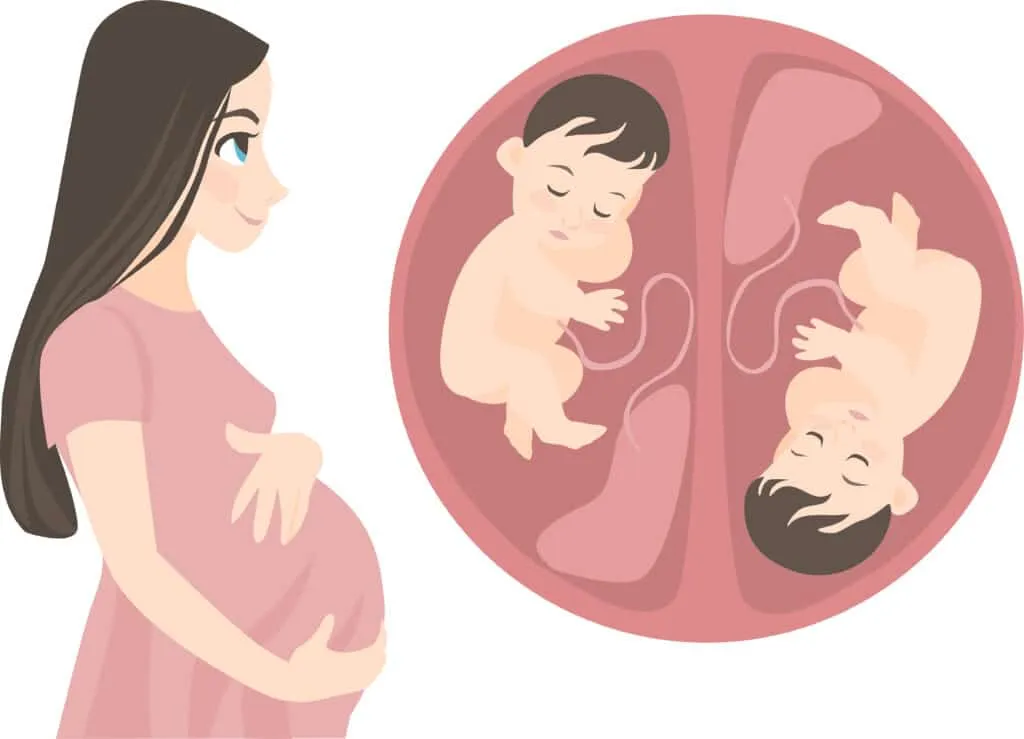
Any pregnant woman can develop hyperemesis gravidarum, but certain factors increase the risk. You may be more likely to experience HG if you are overweight or obese, your mother or close female relatives suffered from HG, you are carrying twins or multiples (higher hCG levels), this is your first pregnancy, you have a history of motion sickness or migraines, or you experienced HG in a previous pregnancy.
Women who suffered from hyperemesis gravidarum in one pregnancy have a significantly elevated risk of experiencing it again in subsequent pregnancies. Trophoblastic disease — a condition involving abnormal cell growth in the womb — is also associated with HG, though it is rare.
How Does Hyperemesis Gravidarum Impact Daily Life?
The impact of hyperemesis gravidarum on a woman’s quality of life cannot be overstated. According to the HER Foundation, women suffering from HG frequently face prolonged absence from work, which may lead to job loss, inability to care for existing children or manage household responsibilities, extreme fatigue lasting weeks or months, depression and anxiety, relationship strain with partners, family, and friends, significant financial loss due to medical bills and lost income, and social isolation caused by the inability to leave home.
Many women with hyperemesis gravidarum report feeling dismissed by healthcare providers who minimise their symptoms as “just morning sickness.” This lack of recognition adds emotional distress to an already physically devastating condition. If your symptoms are severe, persistent, and preventing you from functioning normally, insist on being taken seriously and seek specialist care.
The psychological toll of HG is real and significant. Studies show that women who experience severe HG are at higher risk for postpartum depression and may need mental health support both during and after pregnancy.
What Treatments Are Available for Hyperemesis Gravidarum?
Treatment for hyperemesis gravidarum depends on the severity of symptoms and ranges from outpatient medication to hospital-based interventions.
Anti-nausea medications are the first line of treatment. Doctors may prescribe medications such as ondansetron, cyclizine, or prochlorperazine to reduce nausea and vomiting. The RCOG provides detailed clinical guidance on which medications are considered safe during pregnancy and when to escalate treatment.
Intravenous (IV) fluids are administered when dehydration becomes dangerous. Hospital treatment typically involves rehydration through an IV drip, along with electrolyte replacement and vitamin supplementation — particularly thiamine (vitamin B1), which is essential to prevent a rare but serious neurological condition called Wernicke’s encephalopathy.
Tube feeding may be necessary in extreme cases. A nasogastric tube (through the nose) or, in severe situations, a percutaneous endoscopic gastrostomy (PEG) can deliver nutrients directly to the stomach when a woman cannot tolerate any oral intake.
Bed rest may be recommended with caution. While rest can help manage symptoms, prolonged bed rest carries its own risks including muscle wastage, blood clots, and further weight loss. Your medical team will balance these factors carefully.
Complementary approaches may provide some relief alongside medical treatment, though they should never replace professional care. Acupressure — applying firm pressure to the inner wrist for 3 minutes, alternating wrists — has shown some effectiveness in reducing nausea. Ginger and peppermint are natural remedies that some women find helpful. Hypnotherapy has been reported anecdotally to help some women manage nausea. Always discuss any complementary treatments with your doctor before trying them, especially during pregnancy.
Which Celebrities Have Experienced Hyperemesis Gravidarum?
Several high-profile women have spoken publicly about their experiences with hyperemesis gravidarum, helping to raise awareness and reduce stigma.
Catherine, Princess of Wales is perhaps the most well-known HG sufferer worldwide. She was hospitalised during her first pregnancy with Prince George and went on to experience severe symptoms throughout two further pregnancies. Her openness about the condition brought unprecedented public attention to hyperemesis gravidarum and encouraged many women to seek help.
Amy Schumer was hospitalised during her second trimester after severe HG forced her to cancel shows. She described being unable to ride in a car for even five minutes without vomiting — illustrating the relentless, debilitating nature of the condition.
Kelly Clarkson experienced HG during both of her pregnancies, with symptoms worse the second time. She has spoken candidly about how the severity of the condition influenced her decision not to have further children.
These public accounts of hyperemesis gravidarum have been instrumental in shifting the conversation from “it’s just morning sickness” to recognition that HG is a serious medical condition deserving proper treatment and compassion.
Can You Prevent Hyperemesis Gravidarum?
Unfortunately, women who are prone to hyperemesis gravidarum are unlikely to prevent symptoms entirely. However, there are steps that may help reduce the severity — particularly for women who have experienced HG in a previous pregnancy or who know they are at higher risk.
Eating small, bland meals frequently before symptoms escalate can help stabilise blood sugar and reduce nausea triggers. Taking a prenatal vitamin with folic acid and vitamin B6 before conception and during early pregnancy may offer some protective effect. Staying well hydrated in the early weeks of pregnancy helps build resilience before HG symptoms begin. Avoiding known nausea triggers — strong smells, fatty foods, and overheating — may lessen the initial severity.
For women planning to conceive through donor insemination or IVF, discussing HG risk with your fertility specialist before treatment allows you to prepare a management plan in advance. Platforms like CoParents.co.uk — part of the CoParents network connecting over 150,000 users since 2008 — support women and co-parents through every stage of their journey, including preparing for pregnancy and understanding what to expect.
Frequently Asked Questions
How common is hyperemesis gravidarum?
Hyperemesis gravidarum affects between 0.5% and 2% of all pregnancies. While relatively rare, it is a serious condition that requires medical attention. If you experience persistent, severe vomiting that prevents you from eating or drinking, contact your midwife or GP immediately.
Can hyperemesis gravidarum harm the baby?
When properly managed, most women with HG deliver healthy babies. However, severe dehydration and malnutrition left untreated can affect fetal growth and development. The risk is minimised with early medical intervention, adequate hydration, and nutritional support. Women with hyperemesis gravidarum should be closely monitored throughout their pregnancy.
Does hyperemesis gravidarum recur in future pregnancies?
Yes. Women who experience HG in one pregnancy have a significantly higher risk of developing it again in subsequent pregnancies. However, the severity may vary between pregnancies. Preparing a management plan with your healthcare team before conceiving again can help you access treatment faster if symptoms return.
When does hyperemesis gravidarum usually stop?
For most women, symptoms of hyperemesis gravidarum improve by weeks 16 to 20 of pregnancy. However, some women experience symptoms throughout the entire pregnancy. The timeline varies significantly between individuals, and there is no guaranteed end point.
Should I go to hospital if I think I have hyperemesis gravidarum?
If you are unable to keep down any food or fluids for 24 hours, are losing weight, feel dizzy or faint, have dark-coloured urine, or are vomiting blood, seek medical attention immediately. Hyperemesis gravidarum requires professional treatment — do not try to manage severe symptoms alone at home.



Responses