
If you’ve just been diagnosed with endometriosis, the question on your mind is probably simple: will it stop me having a baby? For most women, the answer is reassuring. Endometriosis fertility problems are common but not universal, and many women with the condition, even severe cases, go on to conceive naturally.
How much endometriosis affects your chances depends on where the tissue has grown, how advanced it is, and whether it has damaged the fallopian tubes or ovaries. This guide walks through what endometriosis is, how it can affect fertility, and which treatments give you the best chance of starting a family. It also looks at how age and ovarian reserve interact with an endometriosis fertility diagnosis, since the two questions are usually linked in practice even though they’re often discussed separately.
What Is Endometriosis?
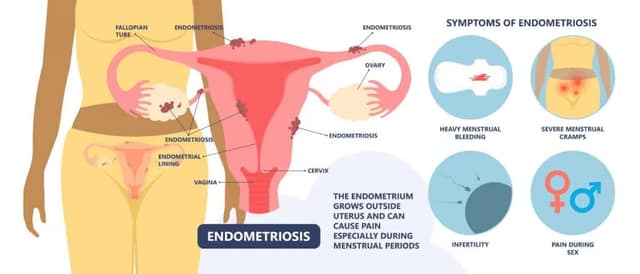
Endometriosis happens when tissue similar to the lining of the womb grows outside it, often on the ovaries, fallopian tubes, pelvic lining, bladder or bowel. According to the NHS, it’s a long-term condition that can have a big impact on daily life, though treatments are available to help manage it.
Ready to start your project?
Join +450,000 members who find their co-parent or sperm donor
Start free✓ Free ✓ No commitment ✓ Verified
The condition is more common than most people realise, affecting around 10% of women of reproductive age in the UK. Displaced tissue still responds to your monthly hormone cycle, which means it can bleed, inflame and scar the surrounding organs in the same way the womb lining does during a period, except the blood has nowhere to go.
What Are the Symptoms of Endometriosis?
Symptoms vary considerably between women, and some have very few or none at all. Common symptoms include:
- Painful, heavy or irregular periods
- Pain during or after sex
- Pain during ovulation
- Pelvic pain that isn’t limited to your period
- Painful bowel movements or bleeding from the bowel
- Persistent tiredness or fatigue
- Low mood or anxiety linked to chronic pain
- Difficulty getting pregnant
If any of these sound familiar, it’s worth speaking to your GP whether or not you’re trying for a baby right now. Getting a diagnosis early gives you and your doctor more options later, and it can also mean starting conversations about endometriosis fertility risk well before you’re actively trying to conceive, which tends to leave more treatment options open.
Endometriosis Fertility: How Much Does It Really Affect Your Chances?
Endometriosis fertility outcomes depend heavily on the stage of disease. Around 30-40% of women with fertility problems also have endometriosis, but that doesn’t mean every case causes infertility. Most women with endometriosis, including some with more advanced disease, go on to conceive naturally without ever needing fertility treatment.
The table below sets out how disease stage typically relates to fertility risk, based on how the condition is usually classified in UK clinics.
| Stage | What it involves | Typical fertility impact |
|---|---|---|
| Mild (minimal) | Small patches, little or no scar tissue | Low added risk to fertility |
| Moderate | More patches, some scar tissue, possible small cysts | Some added risk, natural conception still common |
| Severe (deep infiltrating) | Extensive tissue, larger cysts, adhesions | Higher risk of blocked tubes or reduced egg reserve |
In advanced disease, adhesions and scar tissue can distort the pelvic anatomy, block the fallopian tubes, or damage the ovaries directly, reducing the ovarian reserve and making conception harder. Cysts on the ovaries, sometimes called chocolate cysts, can also lower the odds of a successful pregnancy by reducing the number and quality of available eggs. This is one reason endometriosis fertility outcomes can differ so much between two women with what looks, on paper, like a similar diagnosis.
Endometriosis can sometimes be confused with other causes of pelvic pain, including pelvic inflammatory disease, so a proper diagnosis from a gynaecologist matters before assuming any pain or fertility struggle is down to endometriosis alone.
Can I Still Get Pregnant Naturally with Endometriosis?
Yes, in most cases. Endometriosis fertility challenges are real but not automatic. Many women with mild to moderate disease conceive without any fertility treatment at all, sometimes after making small changes to timing intercourse around ovulation or addressing pain that’s making sex difficult. If you’ve been trying for a baby for over a year (or six months if you’re over 35), it’s worth asking your GP for a referral to a fertility specialist rather than waiting longer.
It helps to remember that an endometriosis fertility diagnosis is a starting point for a conversation, not a verdict. Two women with the same stage of disease can have very different experiences trying to conceive, which is exactly why a personalised assessment from a gynaecologist matters more than general statistics.
What Are the Treatments for Endometriosis?
There’s currently no cure for endometriosis, but several treatments can manage the pain and, in some cases, improve your chances of conceiving. The right combination depends on your symptoms, the stage of your disease, and whether an endometriosis fertility outcome is your main priority right now or something you’re planning further ahead.
- Pain relief, such as paracetamol or anti-inflammatory medication
- Hormonal treatments, such as the contraceptive pill, to reduce pain and slow tissue growth (not suitable if you’re trying to conceive)
- Surgery to remove patches of endometriosis, cysts, adhesions or scar tissue
- Fertility treatment if natural conception isn’t happening, ranging from ovulation induction to IUI or IVF
According to the Royal College of Obstetricians and Gynaecologists, treatment choice depends on the type and severity of your symptoms, how much endometriosis you have, and whether you’re planning a pregnancy, so the right option really is different for every woman. Surgery in particular is worth discussing carefully with a specialist, since removing endometriosis and adhesions can sometimes improve natural conception rates but carries its own recovery time and risks.
Fertility Treatment Options for Endometriosis Fertility Problems
When natural conception isn’t happening, your fertility specialist will usually consider your age, the stage of your endometriosis, and whether your fallopian tubes are open before recommending a treatment path.
IVF is often recommended for endometriosis fertility cases where the fallopian tubes are blocked or badly scarred, since it bypasses the tubes entirely by fertilising the egg outside the body. According to the HFEA, average IVF pregnancy rates using fresh embryo transfers reached 31% nationally in 2022, rising to 42% for patients aged 18 to 34, though individual chances vary with age and diagnosis.
For milder cases with open tubes, home insemination or clinic-based intrauterine insemination can sometimes be tried first, particularly for single women or same-sex couples using donor sperm who have no other fertility concerns. If you’re weighing up your options for how to get pregnant alongside an endometriosis diagnosis, it’s worth discussing timelines with a fertility specialist early rather than waiting to see what happens.
Some women also explore donor sperm options if male-factor infertility is also part of the picture, and platforms such as CoParents.co.uk let you connect with donors and potential co-parents while you plan treatment around your own endometriosis fertility timeline.
What About Ovarian Reserve and Age?
Endometriosis fertility risk compounds with age, because egg quality and quantity decline naturally over time regardless of the condition. If endometriosis has already reduced your ovarian reserve, that decline can start to matter sooner than it would otherwise. Discussing insemination timing and testing your ovarian reserve early, through a blood test or ultrasound, gives you a clearer picture of how much time you realistically have before treatment options narrow.
Some women choose to freeze eggs or embryos before endometriosis surgery, particularly if a cyst affecting the ovary needs to be removed, since surgery itself can sometimes lower ovarian reserve further. This is a conversation worth having with a fertility specialist rather than a surgeon alone, as an endometriosis fertility plan usually works best when both the pain management side and the family-planning side are considered together from the start.
Can Endometriosis Affect My Pregnancy?
Once you are pregnant, endometriosis usually doesn’t cause ongoing problems. Most pregnancies in women with the condition progress normally, though some women notice more pain during the first trimester as hormone levels shift and the body adjusts. Any remaining pain usually settles for the rest of the pregnancy and may return after birth once periods resume, so it’s worth mentioning your endometriosis history to your midwife at your booking appointment even if you feel well.
Frequently Asked Questions
Does endometriosis always cause infertility?
No. Endometriosis fertility problems are common but not universal. Many women with mild to moderate disease conceive naturally, and even those with severe disease can often become pregnant with the right treatment.
How is endometriosis diagnosed?
Your GP will discuss your symptoms and may refer you to a gynaecologist for an ultrasound, MRI scan, or a laparoscopy, which is currently the only way to confirm the diagnosis with certainty.
When should I see a fertility specialist about endometriosis fertility concerns?
If you’ve been trying to conceive for a year (or six months if you’re over 35) without success, or if you already know you have endometriosis and want to plan ahead, ask your GP for a referral to a fertility clinic.
Does IVF work well for endometriosis fertility problems?
Yes, IVF is often effective because it bypasses the fallopian tubes altogether. Success still depends on your age, ovarian reserve and the severity of your endometriosis.
Can I try to conceive naturally before considering fertility treatment?
Often, yes, particularly with mild to moderate endometriosis. Many women are advised to try naturally for a period first, with treatment considered sooner if you’re over 35 or already have known tube damage.
If you’re navigating endometriosis fertility questions while exploring co-parenting or donor conception, understanding your own fertility picture early makes it easier to plan realistic timelines. Join CoParents.co.uk to connect with donors and co-parents who understand that fertility journeys don’t always follow a straight line.