
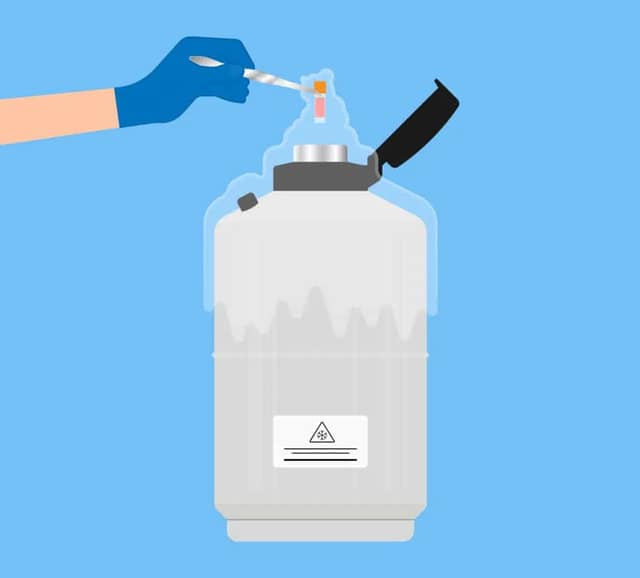
Egg freezing has grown faster than almost any other fertility treatment in the UK, with the number of patients choosing to freeze their eggs increasing by 44% between 2022 and 2024 alone. Yet it still made up only 7% of all treatment cycles in 2024, and many people considering the process are unsure what it really involves or whether it is worth the cost.
Understanding how the process works, what it costs, and what the realistic chances of success look like can make the decision far less daunting for anyone weighing it up. This guide walks through the current UK picture for egg freezing, based on the latest data from the fertility regulator.
How Common Is Egg Freezing in the UK Now?
Egg freezing has become one of the fastest growing areas of fertility treatment in the UK, according to the Human Fertilisation and Embryology Authority. Despite this rapid growth, it still represents a small proportion of overall activity, and for the first time since 2020, the number of cycles has levelled off rather than continuing to rise year on year.
Ready to start your project?
Join +450,000 members who find their co-parent or sperm donor
Start free✓ Free ✓ No commitment ✓ Verified
The average age of patients freezing their eggs was 35 in 2023, while the average age of those returning to thaw and use them was 40. This gap matters, since age at the point of freezing has a far bigger impact on eventual success than age at the point of use.
How Does the Egg Freezing Process Work?
The process follows the same early stages as IVF and typically takes two to three weeks from start to finish. Hormone injections are used to stimulate the ovaries to produce multiple eggs, with progress monitored through blood tests and scans throughout.
Once the eggs are ready, they are collected under sedation or general anaesthetic in a short procedure, and then frozen using a fast-freezing technique called vitrification, which helps prevent damage from ice crystal formation. Most patients under 38 have between 7 and 14 eggs collected in a single cycle, although this can be lower for anyone with a reduced ovarian reserve. Our full breakdown of freezing eggs in the UK covers each stage of the process step by step.
How Much Does Egg Freezing Cost?
The process in the UK typically costs between £3,500 and £4,500 per cycle, though prices vary by clinic and region. This figure usually covers hormone medication, monitoring appointments, egg collection, and the initial freezing stage, but not every clinic includes every element in its headline price.
On top of the initial cycle cost, an annual storage fee of around £200 to £400 applies for as long as the eggs remain frozen, and further costs apply later if and when the eggs are thawed and used in treatment such as IVF or ICSI.
| Stage | Typical Cost | Notes |
|---|---|---|
| Egg freezing cycle | £3,500 – £4,500 | Includes medication, monitoring, collection |
| Annual storage | £200 – £400 | Charged for as long as eggs are stored |
| Thaw and fertilisation (later) | Cost of IVF or ICSI applies | Not included in the original freezing fee |
What Are the Success Rates for Egg Freezing?
Success rates for the treatment have historically been described as low, largely because HFEA data reflects a small number of women who have returned to thaw and use their eggs so far. However, a 2024 study following almost 30,000 frozen eggs at a single UK clinic over 15 years found outcomes comparable to routine IVF, with a live birth rate per embryo transfer of 26%, rising to a cumulative rate of 34% once all embryos were used.
Age at the point of freezing made a clear difference in that study, with a cumulative live birth rate of 45% for those who had frozen their eggs before turning 36, compared to considerably lower rates for those who froze in their forties. The HFEA continues to advise looking at fresh IVF success rates for a person’s age band as a more reliable guide, since outcomes from frozen eggs are still based on comparatively small numbers nationally.
What Is the Best Age for Egg Freezing?
Age is consistently described as the single biggest factor affecting the outcome of the treatment. Freezing eggs before the age of 35 gives the best chance of a future live birth, since egg quality and quantity decline more sharply after this point, regardless of how well the eggs are preserved in storage.
Despite this, the most common age for freezing eggs in the UK is closer to the late thirties, and some women choose to freeze into their forties. The HFEA has cautioned against recommending this route to women in their forties specifically, since the likelihood of a future pregnancy from those eggs is considerably lower.
Is Egg Freezing Covered by the NHS?
NHS funding is not available for freezing carried out for personal or social reasons. Where it is medically necessary, such as before chemotherapy or another treatment that could affect fertility, NHS funding is more likely to be available, with an estimated 15% of cycles falling into this medical category.
Anyone considering egg freezing for non-medical reasons should budget for the full private cost, and comparing this against other fertility treatment costs can help put the decision into a wider financial context.
What Are the Risks of Egg Freezing?
Egg freezing is generally considered safe, though it carries the same risks as the early stages of IVF, including a small chance of ovarian hyperstimulation syndrome from the hormone medication used to stimulate the ovaries. As with any fertility treatment, the biggest practical risk is that it simply does not lead to a baby later on, which is why realistic expectations matter as much as the medical side of the process.
How Long Can Frozen Eggs Be Stored?
Under UK law, eggs can currently be stored for up to 10 years from the date they were frozen, regardless of the reason for storing them. Before this rule changed, storage limits were tied more closely to medical circumstances, but the law was updated to give everyone the same maximum storage period, with the option to extend in certain cases up to a maximum of 55 years, provided consent is renewed at regular intervals.
This matters practically as well as legally, since annual storage fees continue to apply for as long as the eggs remain in a clinic’s care. Anyone planning to store eggs for many years should factor this ongoing cost into their overall budget, alongside the original cycle fee, rather than treating it as a one-off expense.
Egg Freezing vs Other Ways to Plan a Family
Egg freezing is one of several options for anyone thinking carefully about the timing of parenthood. For those who already know they want a known donor or co-parenting arrangement rather than waiting to meet a partner, exploring every path to parenthood available in the UK alongside this route can offer a fuller picture of the options.
Egg donation is a separate route worth understanding too, particularly for anyone whose own attempt to freeze eggs does not lead to a successful pregnancy later on. Our guide to egg donation in the UK covers how that process differs from freezing your own eggs. When the time comes to use frozen eggs, the process moves into standard IVF treatment, so it is worth understanding that stage in advance too. It is also worth factoring in the wider financial picture of parenthood, since the cost of having a baby extends well beyond fertility treatment itself.
Frequently Asked Questions
What is the best age to freeze your eggs?
Freezing before the age of 35 gives the best chance of success later on, since egg quality and quantity decline more sharply after this age.
How much does egg freezing cost in the UK?
A single cycle typically costs between £3,500 and £4,500, plus an annual storage fee of around £200 to £400, with further costs when the eggs are eventually used.
Does egg freezing guarantee a baby later on?
No. Egg freezing improves the odds of a future pregnancy using younger eggs, but it does not guarantee a live birth, and success still depends heavily on age at freezing.
Is egg freezing available on the NHS?
Only for medical reasons, such as before cancer treatment. Egg freezing for personal or social reasons is not funded by the NHS.
How long can frozen eggs be stored?
Eggs can currently be stored for up to 10 years in the UK, with longer storage sometimes permitted in specific medical circumstances.
Whatever stage of the decision you are at, egg freezing is worth researching thoroughly rather than rushing into, since age at freezing plays such a significant role in the eventual outcome. Speaking with a licensed fertility clinic about your individual ovarian reserve and personal circumstances is a sensible next step before committing to a cycle, and it is worth asking directly about all-in pricing rather than relying on a headline figure alone. If you are exploring every option for building a family, whether that includes freezing your eggs, donor conception, or co-parenting, CoParents.co.uk brings together a supportive community across the UK. Register free on CoParents.co.uk to start exploring your options today.