
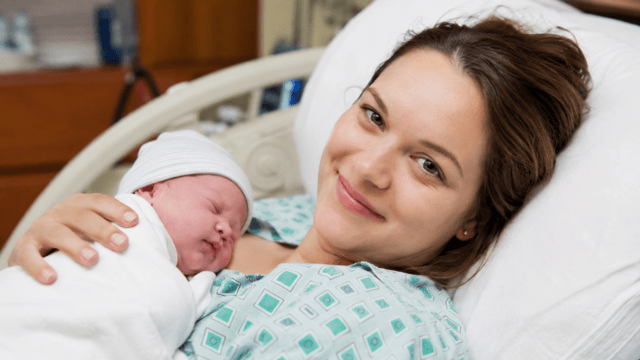
Having a baby is a life-changing decision, and there is plenty to think about before you start trying. Beyond the excitement, a few practical and emotional questions are worth settling early so you feel genuinely ready. Here are five essential things to add to your list before having a baby, covering your relationship, lifestyle, finances, parenting values and your home.
Do You Both Want a Child?
If you have decided that now is the time to start a family, make sure your partner feels the same way. It is a big decision, so be certain it is what they want too.
Don’t be tempted to just get pregnant, unless you are a single mother who has decided to go it alone. With a partner, pregnancy is something to enjoy and share. If your partner seems anxious about having a baby, talk it over. They may simply be worried about money. Working out a budget together, and finding out which benefits you qualify for, can help them feel more secure. Following NHS guidance on planning your pregnancy, including taking a 400 microgram folic acid supplement daily, is also a sensible early step for both of you.
Ready to start your project?
Join +450,000 members who find their co-parent or sperm donor
Start free✓ Free ✓ No commitment ✓ Verified
Are You Ready to Give Up Some Freedom?
Having a baby isn’t a prison sentence. You will still see friends, just perhaps not as often, or in the same way as before.
If you can find a babysitter, or have a relative nearby who will help, that is a real bonus. You can still go out, but you can no longer stay in bed all day nursing a hangover, because there is a baby to look after. If you are breastfeeding you won’t be able to drink, though you can express milk into bottles so you can stay out a little longer.
You might start meeting friends for lunch somewhere child-friendly, or host picnics in the park during summer. Inviting friends with kids to your place removes the babysitter problem entirely. Friends without children may take time to adjust, but most come around. You may give up wild nights clubbing, but you do not have to give up your social life altogether.
Have You Sorted Your Finances?
Money is one of the biggest practical considerations when having a baby. If you have been employed with the same company for 26 weeks or more, you will usually be entitled to Statutory Maternity Pay.
You receive 90% of your average weekly earnings for the first six weeks. After that, you get £194.32 a week, or 90% of your earnings if that is lower, for the next 33 weeks. The official GOV.UK guide to maternity pay sets out the current figures and includes a calculator to estimate your own entitlement.
If you are returning to work, you will need to budget for childcare, and government schemes such as help with childcare costs can ease the burden. If you decide to stay at home, get used to living on one wage. Try to save while you are pregnant, or better still, start living on a single income as soon as you can. By the time the baby arrives you will be comfortable budgeting and have a cushion for emergencies or mortgage payments.
Do You Agree on How to Raise Your Child?
Before the baby is born, talk about how you want to raise your child. Are one or both of you religious, and do you want your baby brought up within a particular faith? Do you want a private or religious school, or are you happy with your nearest state school?
Discussing these matters now prevents arguments and upsets later. When having a baby with a partner or co-parent, aligned values are one of the strongest foundations you can build on. If you are exploring shared parenting, our co-parenting guides can help you frame these conversations.
Have You Got Enough Space?
Is your home cluttered with things you never use? Do you trip over items in the hallway? Can you even get into your spare room? Now is the time to make space.
De-clutter your home, clear room for a pram or pushchair in the hall, and turn the spare room into a nursery. Throw away anything you no longer use. Making your home easy to clean and to navigate will pay off enormously once the baby arrives. A practical baby preparation checklist can keep this stage manageable.
Frequently Asked Questions
What should I sort out before having a baby?
Before having a baby, settle five key things: that both partners truly want a child, how your lifestyle will change, your finances and maternity pay, your shared parenting values, and whether your home has enough space.
How much maternity pay will I get when having a baby?
If you qualify, you receive 90% of your average weekly earnings for the first six weeks, then £194.32 a week or 90% of earnings (whichever is lower) for 33 weeks, up to a total of 39 weeks.
How early should we start planning before having a baby?
Ideally start around three months ahead. That gives time to take folic acid, adjust your lifestyle, review finances and have the important conversations with your partner before trying to conceive.
How do we cope financially when having a baby?
Build a budget together, check which benefits you qualify for, plan for childcare costs, and practise living on one wage before the birth so the transition feels manageable.
Can I have a baby on my own?
Yes. Many people choose single parenthood or co-parenting arrangements. The same practical checklist applies, with extra attention to your support network and finances.
If you are thinking about having a baby through co-parenting or with a known donor, you don’t have to navigate it alone. CoParents has connected future parents across the UK since 2008. You can create a free profile and join a community of future parents to share advice and find the right person to start your family with.