
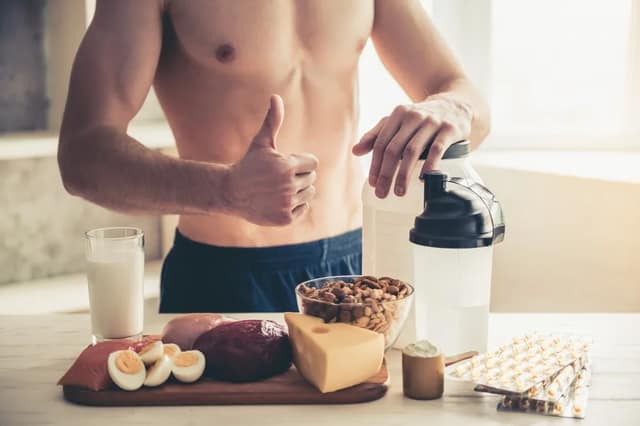
Good sperm donor nutrition is one of the most effective ways to improve sperm quality before donation. Research published in peer-reviewed journals consistently shows that men who follow nutrient-dense diets — particularly Mediterranean-style eating patterns rich in vegetables, fruits, whole grains, and healthy fats — produce sperm with higher concentration, better motility, and improved morphology. A 2025 meta-analysis found that strong adherence to a Mediterranean diet was associated with a significant increase in total sperm count and progressive motility. Whether you are donating through a clinic or privately, preparing your body through diet and lifestyle is one of the most important steps you can take to maximise the chances of a successful conception.
The full cycle of sperm production (spermatogenesis) takes approximately 64 to 74 days. This means that the food you eat today directly influences the quality of the sperm you produce two to three months from now. Starting to improve your sperm donor nutrition at least 8 to 12 weeks before your planned donation gives your body enough time to respond to dietary changes and produce the healthiest sperm possible.
What Should a Sperm Donor Eat for Better Sperm Quality?
Your sperm donor nutrition plan does not need to be complicated. A balanced diet that includes plenty of fruit and vegetables, complex carbohydrates, lean protein, and healthy fats provides the foundation your body needs. According to the British Nutrition Foundation, a healthy and varied diet is the best approach to ensuring you get the full range of nutrients needed for male fertility. Focus on whole, unprocessed foods and reduce your intake of sugar, caffeine, and highly processed meals, all of which have been linked to poorer semen quality in multiple studies.
Ready to start your project?
Join +450,000 members who find their co-parent or sperm donor
Start free✓ Free ✓ No commitment ✓ Verified
Oily fish such as salmon and mackerel provide omega-3 fatty acids that support sperm membrane structure and motility. Leafy green vegetables, berries, and nuts are rich in antioxidants that protect sperm from oxidative damage. Wholegrains including oats, brown rice, and pulses offer B vitamins, folic acid, and fibre. Together, these food groups form the basis of effective sperm donor nutrition and are readily available in any UK supermarket.
Which Nutrients Matter Most for Sperm Donor Nutrition?
Several specific micronutrients play a critical role in sperm production and quality. Understanding which ones matter most helps you focus your sperm donor nutrition where it will have the greatest impact.
Zinc
Zinc is arguably the single most important mineral for male fertility. It is essential for the production and maintenance of sperm and testosterone. Low zinc levels have been directly linked to reduced sperm count and poor male fertility. You can get zinc from eggs, whole grains, pumpkin seeds, shellfish (oysters are particularly rich), red meat, and dried fruit. If these foods are not regularly in your diet, a zinc supplement is worth considering before your donation.
Selenium
Selenium is needed for normal sperm development and protects sperm cells from oxidative stress. Brazil nuts are an exceptionally rich source — just two or three per day provide your full daily requirement. Fish, meat, and eggs are also good sources. A 2025 review by the British Dietetic Association confirmed that selenium continues to be associated with improved sperm quality and reduced oxidative stress.
Folic Acid
Folic acid is not just important for women. Research shows that adequate folate intake in men helps reduce sperm DNA fragmentation and genetic errors. Leafy greens like spinach and kale, legumes, and fortified cereals are all excellent sources. Including folic acid as part of your sperm donor nutrition strategy supports the genetic integrity of the sperm you donate.
Vitamin C and Vitamin E
These two antioxidant vitamins work together to protect sperm from free radical damage. Vitamin C is found in citrus fruits, bell peppers, strawberries, and broccoli. Vitamin E is abundant in nuts, seeds, and olive oil. A diet rich in both vitamins supports overall sperm donor nutrition by shielding cells during the vulnerable stages of development.
Iron and Calcium
Iron supports general health and energy levels, which are important during the sperm donation process. Good sources include red meat, beans, apricots, and dark leafy vegetables. Calcium is vital for both the donor and the future child, as it plays a role in the development of teeth and bones. Dairy products, certain fish, and fortified plant milks are all reliable sources. If your diet is low in either mineral, consider adding a supplement to your routine.
Should Sperm Donors Take Supplements?
A well-balanced diet should provide most of the nutrients you need. However, if you know your diet has gaps — for example, if you rarely eat fish, nuts, or fresh vegetables — targeted supplements can help. A good quality male fertility multivitamin typically contains zinc, selenium, folic acid, vitamin C, vitamin E, and sometimes CoQ10, which has antioxidant properties linked to improved sperm motility.
Be cautious about over-supplementing. Taking excessive doses of individual vitamins or minerals can be harmful. Health professionals recommend consulting a specialist before starting any supplement regime, particularly if you are already taking medication. If you are considering becoming a sperm donor, a food-first approach to sperm donor nutrition is always the safest and most effective strategy.
How Does Exercise Affect Sperm Donor Nutrition and Fertility?
Diet and exercise work together. Regular moderate physical activity — around 150 minutes per week, as recommended by the NHS — is associated with healthier sperm parameters including improved count, motility, and morphology. The British Fertility Society confirms that exercise helps maintain a healthy body weight, which is itself a significant factor in male fertility. Men with a BMI above 30 are more likely to have reduced sperm quality.
However, excessive or intense exercise can have the opposite effect. Overtraining increases oxidative stress and can raise scrotal temperature, both of which harm sperm production. The key is balance: stay active, but avoid pushing your body to extremes in the weeks leading up to your donation. Combining moderate exercise with good sperm donor nutrition gives your body the best conditions to produce high-quality sperm.
What Should You Avoid Before Donating Sperm?
Certain substances and habits are known to reduce sperm quality and should be minimised or eliminated as part of your sperm donor nutrition and lifestyle preparation. Alcohol can decrease testosterone levels and negatively affect semen volume and hormone balance — limit or avoid it entirely in the weeks before donation. Smoking is linked to lower sperm counts and increased numbers of abnormal sperm. Recreational drugs, anabolic steroids, and excessive caffeine (more than 200mg per day) can also impair fertility.
In the 2 to 5 days immediately before your donation, you will typically be asked to abstain from masturbation and sexual activity. This allows your sperm count to reach its peak level. Ejaculating too close to your appointment means you will arrive with a lower volume and concentration of sperm, reducing the chances of a successful outcome for the recipient.
How Can You Get Started as a Sperm Donor?
If you are considering sperm donation in the UK, preparing your body through proper sperm donor nutrition is the best first step. Start improving your diet and lifestyle at least 8 to 12 weeks before your planned donation. On CoParents.co.uk — a co-parenting and sperm donation platform active since 2008 with over 150,000 users — men connect with aspiring parents looking for a known donor. Whether you donate through a licensed clinic or privately, the same nutritional principles apply: eat well, stay active, avoid harmful substances, and give your body the time it needs to produce the healthiest sperm possible.
Frequently Asked Questions
How long before donating should I improve my diet?
Start at least 8 to 12 weeks before your planned donation. Sperm takes approximately 64 to 74 days to fully develop, so the dietary changes you make today will affect the quality of sperm produced two to three months later. Earlier is always better when it comes to sperm donor nutrition.
What is the best diet for a sperm donor?
A Mediterranean-style diet rich in fruits, vegetables, whole grains, oily fish, nuts, and olive oil is consistently associated with better sperm quality. Reduce processed foods, sugar, and excessive alcohol. This approach provides the antioxidants, healthy fats, and essential minerals that support optimal sperm donor nutrition and overall male fertility.
Does masturbation before donation reduce sperm quality?
Masturbation does not permanently reduce your sperm count — men produce sperm continuously throughout their lives. However, in the 2 to 5 days before your donation, you should abstain from ejaculation to allow your sperm count and volume to reach their peak. Donating with a full sample significantly improves the chances of successful conception.
Do I need to take supplements before donating sperm?
If you eat a well-balanced diet, supplements may not be necessary. However, zinc, selenium, folic acid, and vitamin C are the most commonly recommended nutrients for male fertility. If your diet lacks these, a targeted supplement can help. Avoid mega-dose products and consult a healthcare professional if you are unsure. Good sperm donor nutrition starts with food, not pills.