
Your Complete Guide to Donor Sperm Insemination

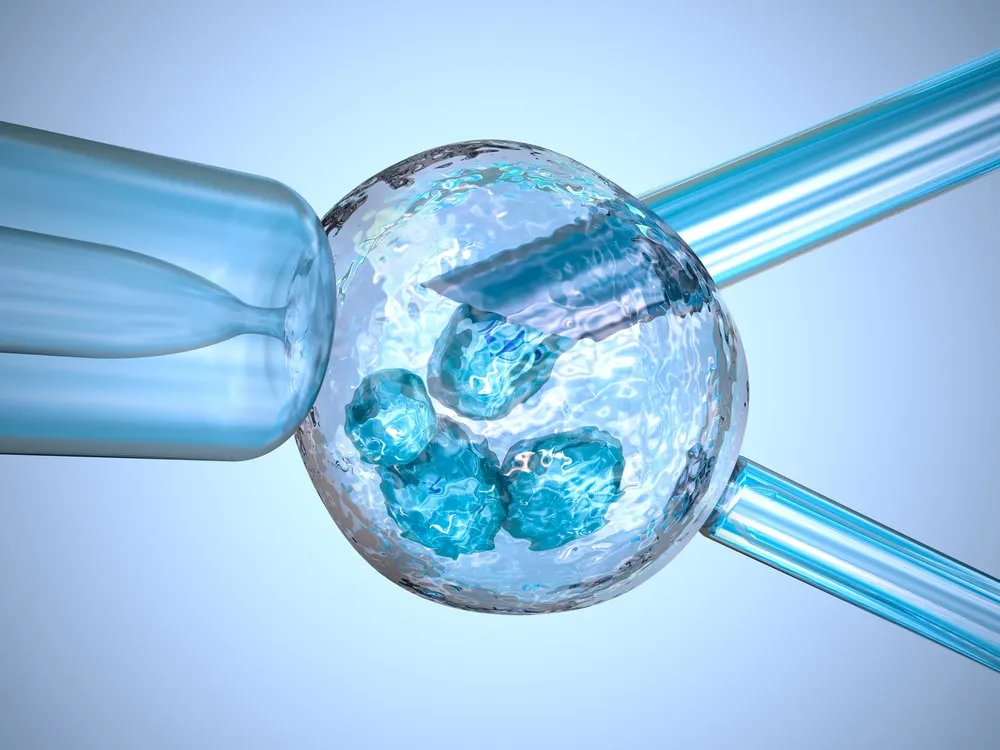
Donor sperm insemination is one of the most accessible and widely used fertility treatments in the UK. It involves placing donated sperm directly into a woman’s reproductive tract to achieve pregnancy — either through intrauterine insemination (IUI) at a licensed clinic or intracervical insemination (ICI) at home. Each year, thousands of women use donor sperm insemination to start their families, including single women, lesbian couples, and heterosexual couples facing male infertility.
According to the HFEA, IUI is less expensive and less invasive than IVF, making it the first-choice treatment for many people using donated sperm. This guide covers everything you need to know about donor sperm insemination in the UK, from how the process works to success rates, costs, and legal protections.
How Does Donor Sperm Insemination Work?
The most common form of this treatment in the UK is IUI (intrauterine insemination). The process begins with your clinic monitoring your natural menstrual cycle — or a medicated cycle using drugs like Clomid or letrozole — to pinpoint the exact time of ovulation. When your eggs are ready, the donor sperm is thawed (if frozen), washed to concentrate the healthiest and most motile sperm, and placed directly into your uterus using a thin, flexible catheter.
The procedure itself takes just a few minutes and is generally painless. You do not need anaesthesia or sedation, and most women return to normal activities immediately afterward. A pregnancy test is taken approximately two weeks later.
ICI (intracervical insemination) is a simpler technique where sperm is placed near the cervix rather than inside the uterus. This can be performed at home with a known donor using a needleless syringe. However, the HFEA strongly recommends having donor sperm insemination at a licensed clinic to ensure proper health screening and legal protection.
Who Is Donor Sperm Insemination Right For?
This treatment is suitable for a wide range of people. The most common groups include single women who want to become mothers, same-sex female couples, and heterosexual couples where the male partner has a very low sperm count, absent sperm, or carries a genetic disorder.
For the treatment to be successful, the woman must have at least one functioning fallopian tube, a healthy uterus, and a reasonable ovarian reserve. If there are additional fertility factors — such as blocked tubes, severe endometriosis, or a very low egg count — your specialist may recommend IVF instead.
IUI is also used when couples cannot have vaginal intercourse due to physical disability or psychosexual difficulties, or when the male partner is HIV-positive and requires sperm washing to reduce transmission risk.
What Are the Success Rates for Donor Sperm Insemination?
Success rates vary by age, overall health, and whether fertility medication is used alongside the procedure. According to NHS data, more than 50% of women under 40 will conceive within three to six IUI cycles.
Per-cycle success rates are approximately 15% to 20% for women under 35, dropping to around 10% for women aged 35 to 39 and below 5% for women over 43. Using fertility medication to stimulate ovulation can improve these figures, but also increases the risk of multiple pregnancy.
IUI success rates are generally around a third of those for IVF. However, because IUI is cheaper and less invasive, many clinics recommend trying three to six cycles of donor sperm insemination before considering IVF. On platforms like CoParents.co.uk, a co-parenting and sperm donation network with over 150,000 users since 2008, many women begin their journey with IUI using sperm from a known donor before exploring other options.
How Much Does Donor Sperm Insemination Cost in the UK?
The cost of treatment at a private UK clinic typically ranges from £800 to £1,500 per IUI cycle. This usually includes monitoring scans, sperm preparation, the insemination procedure, and a pregnancy test. Donor sperm from a UK sperm bank costs an additional £630 to £950 per vial, and fertility medication — if prescribed — adds further to the total.
NHS funding for this treatment varies significantly by area. Most local Integrated Care Boards require female same-sex couples to self-fund six cycles of IUI before becoming eligible for NHS-funded IVF. Heterosexual couples may qualify for NHS IUI if the male partner has been diagnosed with severe male factor infertility. Waiting lists can be long.
If cost is a concern, using a known donor through a platform like CoParents.co.uk can reduce sperm costs, though you should still budget for health screening and clinic fees.
What Are the Legal Implications of Donor Sperm Insemination?
If the procedure takes place at an HFEA-licensed clinic, the donor has no legal parental rights or financial obligations. The woman who gives birth is always the legal mother. If she is married or in a civil partnership, her partner is automatically the child’s second legal parent. Unmarried partners must complete the correct consent forms at the clinic before treatment.
If the treatment occurs privately — for example, through home insemination with a known donor — the donor could be treated as the child’s legal father. This is one of the most important reasons to use a licensed clinic.
Under UK law, all donors must be identity-release. Donor-conceived individuals can request non-identifying information at age 16 and their donor’s full identity at age 18. Each donor’s sperm can create a maximum of 10 families.
Frequently Asked Questions
How many cycles of IUI should I try before moving to IVF?
Most specialists recommend three to six cycles of IUI before considering IVF. If you have not conceived after six cycles, your doctor will review your treatment plan and may suggest additional tests or a switch to IVF, which has higher per-cycle success rates.
Can I do this procedure at home?
Technically yes, using intracervical insemination (ICI) with a known donor. However, this carries significant risks: the sperm will not have been clinically screened, and the donor could be considered the child’s legal father. The HFEA recommends having treatment at a licensed clinic.
Is donor sperm insemination painful?
IUI is generally not painful. Most women describe a mild sensation similar to a smear test. The procedure takes just a few minutes, requires no anaesthesia, and you can resume normal activities immediately afterward.





Why does gay couple hate natural insemination or partial insemination but prefer artificial insemination.