
How the Donor Conception Network Supports Families Across the UK


The Donor Conception Network (DCN) is the UK’s largest charity dedicated to supporting families created through donated sperm, eggs, or embryos. Founded in 1993 by just five families who wanted to be open about their children’s origins, the Donor Conception Network has grown into a community of over 2,200 members including parents, prospective parents, donor-conceived children and adults, and professionals. Whether you are considering donor conception for the first time or are already raising a donor-conceived child, the DCN provides information, events, peer support, and a sense of belonging that makes the journey easier.
What Is the Donor Conception Network and What Does It Do?
The Donor Conception Network is a registered UK charity (number 1041297) that provides support, information, and community to anyone connected to donor conception. Its core mission is to promote openness and honesty within donor conception families, particularly encouraging parents to talk to their children about their origins from an early age.
The DCN works alongside fertility clinics, the HFEA, professional counselling bodies, and policymakers to improve understanding and practice around donor conception in the UK. It publishes practical guides, trains counsellors, runs workshops, and campaigns for the rights of donor-conceived people and their families.
Membership costs just £7 per month (£5 for those on lower incomes) and gives access to exclusive events, resources, WhatsApp groups, newsletters, and a community that understands the unique challenges of building a family through donation.
What Resources Does the Donor Conception Network Offer?
The DCN provides an extensive range of resources designed to help families at every stage of the donor conception journey. These include workshops, conferences, books, magazines, and online support groups.
The DCN’s flagship Telling and Talking workshops are specifically designed to help parents learn how to discuss donor origins with their children at different ages. These interactive sessions give families a safe space to practise conversations, ask questions, and hear from others who have already been through the process. The DCN also runs Getting Started events for people at the very beginning of their journey.
Two annual conferences — one in London and one in another UK city — bring together members for a full day of presentations, discussion groups, and children’s activities. Past conferences have been held in Sheffield, Edinburgh, and Bristol. Upcoming conferences include the spring 2026 event in London.
The DCN publishes over 50 books including storybooks for young children and practical guides for parents and professionals. Perspectives Magazine shares personal stories, research updates, and articles from donor-conceived people and families. A weekly Friday Bulletin keeps members informed about news and events.
Online, the Donor Conception Network runs more than 90 WhatsApp groups and 150+ online chats per year, covering topics such as solo parenting, LGBTQ+ families, heterosexual couples using sperm donation, egg donation, and talking to children at specific ages. These peer-to-peer groups are moderated and provide a private, supportive space.
Why Is Openness Important to the Donor Conception Network?
From its founding, the Donor Conception Network has championed openness as the cornerstone of healthy donor conception families. Research consistently shows that children who learn about their donor origins from an early age adjust well and develop a secure sense of identity. By contrast, secrecy and late disclosure can cause confusion, anger, and damaged trust.
The DCN’s position aligns with guidance from the HFEA and the HFEA’s information service for donor-conceived people, both of which encourage early, age-appropriate conversations about donor conception. Since April 2005, UK law has required all donors to be identity-release, meaning donor-conceived people can request their donor’s identity from age 18.
The DCN supports families through this process with its Telling and Talking resources, specialist workshops, and online discussion groups where parents can share their experiences and learn from others. On platforms like CoParents.co.uk — a co-parenting and sperm donation network with over 150,000 users since 2008 — openness is similarly valued, with donors and recipients communicating transparently about expectations from the outset.
Who Can Join the Donor Conception Network?
Membership of the DCN is open to anyone connected to donor conception. This includes parents who have used donated sperm, eggs, or embryos; people considering or undergoing donor conception treatment; donor-conceived children and adults; and professionals working in fertility, counselling, or family support.
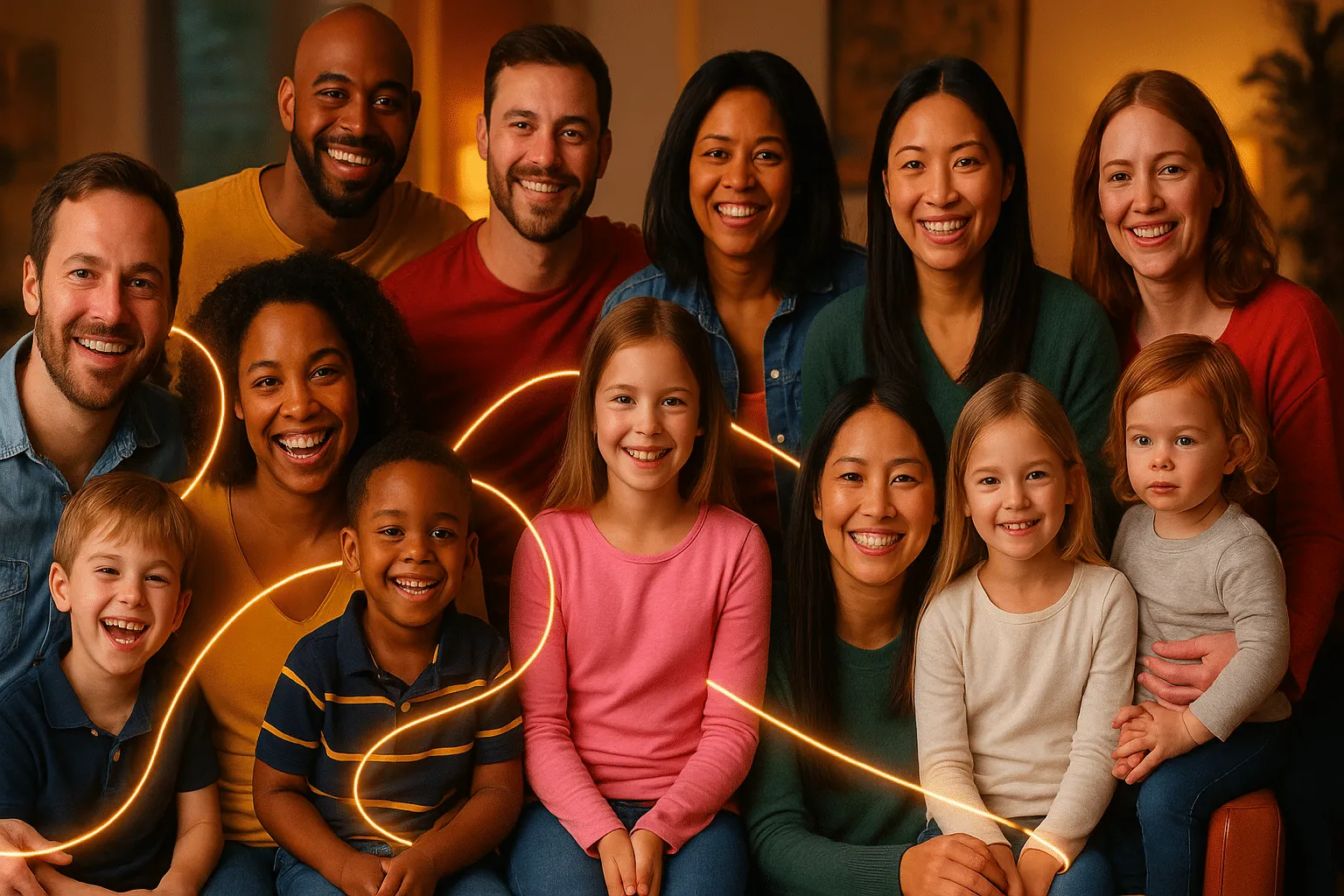
The DCN community is deliberately inclusive. Members include single parents, heterosexual couples, same-sex couples, and families formed through all types of donation including egg donation, sperm donation, and embryo donation. Around 80 volunteers support the charity by running local groups, facilitating online chats, organising events, and creating resources.
Local groups meet across the UK and Ireland, giving families the chance to build friendships in person. Many members describe the supportive community as the most valuable aspect of DCN membership. The DCN also runs specialist groups for fathers, for LGBTQ+ parents, and for families who have used anonymous donors.
How Does the Donor Conception Network Help Donor-Conceived People?
The DCN does not only serve parents. Donor-conceived adults are an increasingly important part of the community. The DCN provides dedicated spaces where donor-conceived people can share their experiences, discuss feelings about their origins, and connect with half-siblings.
Some donor-conceived adults want to learn more about their genetic heritage or meet their donor. Others are simply looking for people who understand what it feels like to be donor-conceived. The DCN facilitates these conversations through online chats, conferences, and published personal stories in Perspectives Magazine and other media.
As more donor-conceived people born after April 2005 turn 18 and become eligible to request their donor’s identity through the HFEA, the DCN is playing a growing role in supporting both sides — helping donors prepare for potential contact and helping donor-conceived people navigate the emotional complexities of discovering their origins.
Frequently Asked Questions
How do I join the Donor Conception Network?
You can sign up online at dcnetwork.org. Membership costs £7 per month or £5 for those on lower incomes. It gives you access to conferences, workshops, WhatsApp groups, online chats, publications, and a supportive community of over 2,200 families.
What is the Telling and Talking workshop?
Telling and Talking is the DCN’s flagship workshop that helps parents learn how to talk to their children about their donor origins. Sessions are tailored to different age groups and family types. The DCN also publishes a series of Telling and Talking booklets covering children under seven, primary school age, teenagers, and young adults.
Does the Donor Conception Network support all types of donor conception?
Yes. The DCN supports families formed through sperm donation, egg donation, embryo donation, and surrogacy. Resources and groups are available for all family types including single parents, heterosexual couples, and LGBTQ+ families.




Responses