
Gay and Lesbian Couples Want a Child: Every Route to Parenthood in the UK

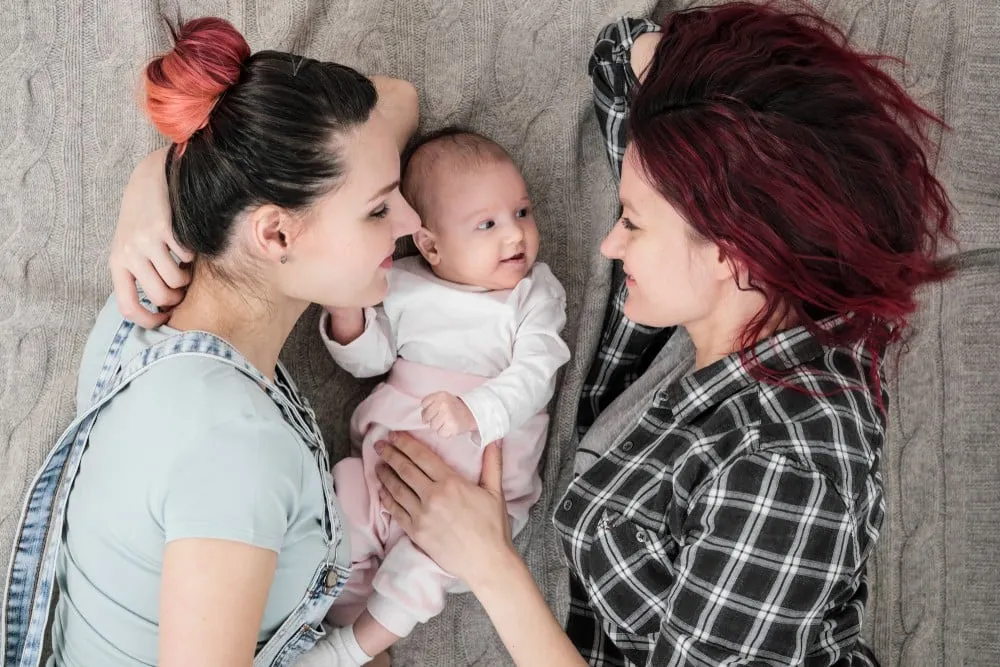
When gay lesbian couples want a child in the UK, the law provides equal access to every route to parenthood available to heterosexual couples. Since the Adoption and Children Act 2002 came into force in 2005 and the Human Fertilisation and Embryology Act 2008 extended parental rights to same-sex partners, gay and lesbian parents have clear legal pathways to start a family through adoption, sperm donation, surrogacy, and co-parenting.
HFEA data shows that the number of female same-sex IVF patients increased by 33% between 2019 and 2021, and approximately 35% of fertility patients in the UK now identify as single or same-sex couples. If gay lesbian couples want a child, the options have never been more accessible. On CoParents.co.uk, a co-parenting and donor conception platform with over 150,000 users since 2008, LGBTQ+ individuals and couples connect with donors and co-parents in a transparent, supportive environment. Whether gay lesbian couples want a child through sperm donation, surrogacy, or co-parenting, this guide covers every option.
Adoption for Gay Lesbian Couples Who Want a Child
Since 2005, same-sex couples have had the legal right to adopt jointly in England and Wales, with Scotland following in 2009 and Northern Ireland in 2013. When gay lesbian couples want a child through adoption, they have the same rights and face the same assessment criteria as heterosexual applicants. It is against the law for adoption agencies to discriminate based on sexual orientation. When gay lesbian couples want a child through this route, they go through the same assessment as any other applicant.
To be eligible to adopt, you must be at least 21 years old, in generally good health, and financially stable enough to provide for a child. If you apply as a single parent, your partner can apply to become a legal parent at a later stage through step-parent adoption. Adoption agencies assess your ability to meet a child’s emotional, physical, and educational needs, and LGBTQ+ applicants are actively welcomed.
The NHS guidance on becoming a parent if you are LGBT+ confirms that adoption is open to everyone regardless of sexual orientation or gender identity. The number of children adopted by same-sex parents continues to grow each year, confirming that more gay lesbian couples want a child and are successfully building families.

Sperm Donation for Lesbian Couples Who Want a Child
For lesbian couples, sperm donation is the most common route to biological parenthood. Since 2009, under the Human Fertilisation and Embryology Act 2008, lesbian women in the UK have equal birth rights to heterosexual women. When gay lesbian couples want a child through donor insemination, both partners can be recognised as legal parents from birth, provided certain conditions are met.
If the birth mother is married to or in a civil partnership with her female partner, the partner is automatically recognised as the child’s second legal parent, and both names can appear on the birth certificate. If the couple are not married or civil partnered, the non-birth mother will only be the second legal parent if conception takes place at an HFEA-licensed clinic and both partners complete the required HFEA consent forms before treatment.
This is a critical distinction. If a lesbian couple conceives at home using a known donor’s sperm, and they are not married or civil partnered, the sperm donor may be considered the legal father. The non-birth mother would have no automatic legal parenthood. For this reason, the HFEA strongly recommends clinic-based treatment for lesbian couples. When gay lesbian couples want a child through donor conception, using a licensed clinic is the safest legal route.
When choosing a donor, you can use an anonymous donor through a clinic, or find a known donor through your personal network or a platform like CoParents.co.uk. Known donors give you the opportunity to understand the donor’s personality, health background, and values. Ensure any donor has undergone full health screening, including STI testing, semen analysis, and genetic screening.
Conception can take place through donor insemination (IUI) at a clinic, home insemination with a kit, or IVF. Some lesbian couples choose reciprocal IVF (also known as shared motherhood), where one partner’s eggs are fertilised with donor sperm and the resulting embryo is transferred to the other partner’s womb. This allows both women to have a biological connection to the child. Reciprocal IVF is a popular choice when gay lesbian couples want a child with a shared biological bond.
Surrogacy for Gay Male Couples Who Want a Child
Surrogacy is the primary route to biological parenthood for gay male couples. Since 2010, same-sex couples can apply for parental orders under the Human Fertilisation and Embryology Act 2008, transferring legal parenthood from the surrogate to the intended parents. Around 500 parental order applications are made each year in the UK, and a significant proportion come from male same-sex couples.
When gay lesbian couples want a child through surrogacy, there are two main options. Traditional surrogacy involves inseminating the surrogate with one partner’s sperm, meaning the surrogate is the biological mother. Gestational surrogacy involves IVF, where an embryo created using donor eggs and one partner’s sperm is transferred to the surrogate, who has no genetic connection to the child.
Gay male couples often use an egg donor in addition to the surrogate. Some couples choose to have a female relative of one partner donate eggs, which are then fertilised with the other partner’s sperm, creating a biological connection to both men through the child. These creative approaches show the range of options available when gay lesbian couples want a child with a genetic link to both partners. Others use separate batches of donor eggs fertilised with each partner’s sperm, which can result in twins with different biological fathers.
In the UK, surrogacy is altruistic only. Surrogates cannot be paid beyond reasonable expenses, typically £10,000 to £15,000. The total cost of a domestic surrogacy arrangement, including IVF and legal fees, usually ranges from £40,000 to £60,000. The surrogate is the legal mother at birth, and intended parents must apply for a parental order within 6 months.
To apply for a parental order, at least one intended parent must be genetically related to the child, and the couple must be in an enduring family relationship. The process takes 6 to 12 months. It is essential to seek legal advice from a family law solicitor before entering any surrogacy arrangement. If gay lesbian couples want a child through surrogacy, early legal planning is the foundation of a secure family.
Co-Parenting When Gay Lesbian Couples Want a Child
Co-parenting is an increasingly popular option when gay lesbian couples want a child while maintaining a relationship with the donor or surrogate. It involves two or more people sharing parental responsibilities, including financial duties, custody, and decisions about the child’s welfare and education.
A gay male couple might co-parent with a lesbian couple, with one man providing sperm and one woman carrying the child. Single gay or lesbian individuals might co-parent with a friend or someone they meet through a platform like CoParents.co.uk. These arrangements allow the child to know their genetic parents and benefit from multiple supportive adults in their life.
Under UK law, a child can only have two legal parents. However, a third person can obtain parental responsibility through a court order or a parental responsibility agreement. It is highly recommended to establish a co-parenting agreement that clearly states each party’s responsibilities, living arrangements, financial contributions, and decision-making authority before conception.
Co-parenting agreements are not legally binding in the UK, but they provide essential evidence of shared intentions and can carry weight in court. Independent legal advice for all parties is strongly recommended. More and more gay lesbian couples want a child through this flexible arrangement, and clear documentation makes it work.
Where Can Gay Lesbian Couples Find a Sperm Bank in the UK?
The HFEA clinic search tool allows you to find licensed fertility clinics and sperm banks in your area. Each clinic listed has been approved by the HFEA, ensuring rigorous health screening, legal compliance, and the 10-family limit on donor sperm. There are both NHS and private clinics across every region of the UK, making it straightforward for gay lesbian couples who want a child to access regulated services close to home.
When using the HFEA search tool, you can compare clinics on live birth rates per embryo transferred, types of treatment offered (donor insemination, IVF, reciprocal IVF), singleton rates (important for assessing the risk of multiple births), and current donor waiting times.
For couples who prefer a known donor, CoParents.co.uk offers a comprehensive database where gay lesbian couples who want a child can browse donor profiles, communicate directly, and find someone whose values and expectations align with their own family vision.
Frequently Asked Questions
Can gay and lesbian couples adopt in the UK?
Yes. Same-sex couples have had the legal right to adopt jointly since 2005 in England and Wales, 2009 in Scotland, and 2013 in Northern Ireland. Adoption agencies cannot discriminate based on sexual orientation. Both partners must be at least 21 and able to demonstrate they can meet the child’s needs. When gay lesbian couples want a child through adoption, the process takes several months and includes home visits and panel assessment.
How do lesbian couples become legal parents of a donor-conceived child?
If the birth mother is married to or in a civil partnership with her partner, the partner is automatically the second legal parent. If not married or civil partnered, both must conceive at an HFEA-licensed clinic and complete HFEA consent forms for the non-birth mother to be recognised as the second legal parent. Home insemination without these steps could leave the non-birth mother with no legal status.
What surrogacy options are available to gay male couples?
Gay male couples can pursue traditional surrogacy (using one partner’s sperm to inseminate the surrogate) or gestational surrogacy (using IVF with donor eggs and one partner’s sperm). Both partners can apply for a parental order after birth. At least one must be genetically related to the child. Total UK costs typically range from £40,000 to £60,000. If gay lesbian couples want a child through surrogacy abroad, additional legal and immigration steps are required.
What is co-parenting and is it suitable for LGBTQ+ families?
Co-parenting involves sharing parental responsibilities between two or more people who are not in a romantic relationship. It is well suited to LGBTQ+ families. For example, a gay man and a lesbian woman might co-parent together, each providing a genetic connection and active parental involvement. When gay lesbian couples want a child through co-parenting, a written agreement and legal advice are essential.
Where can LGBTQ+ individuals find sperm donors or co-parents?
CoParents.co.uk is specifically designed to connect LGBTQ+ individuals and couples with sperm donors and co-parents. The HFEA also provides guidance on finding licensed clinics. The same-sex parenting guide on CoParents covers all available options in detail.



Responses