
Fetal Development Stages: A Week-by-Week Guide to Your Baby’s Growth

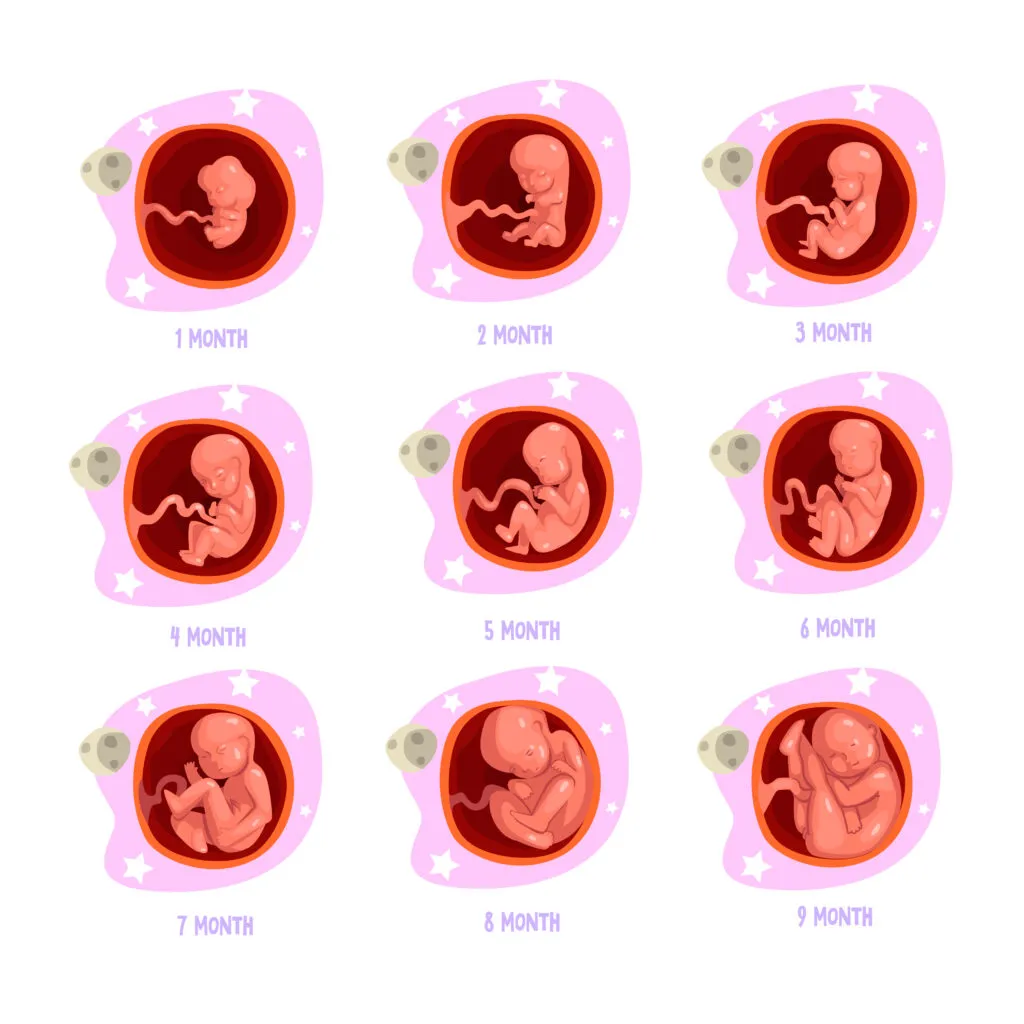
Understanding the fetal development stages is one of the most exciting parts of pregnancy. From the moment of conception, your baby undergoes a remarkable transformation, growing from a single fertilised cell smaller than a full stop into a fully formed newborn ready for life outside the womb. The entire process takes approximately 40 weeks, divided into three trimesters, and each phase brings distinct milestones in your baby’s growth. Whether you conceived naturally, through donor insemination, or via IVF, the fetal development stages follow the same extraordinary path.
This guide walks you through what happens month by month, what to expect at each stage, and what steps you can take to support your baby’s healthy development. On CoParents.co.uk, a co-parenting and donor conception platform with over 150,000 users since 2008, thousands of families follow this journey every year.
What Are the Three Main Fetal Development Stages?
Before diving into the week-by-week detail, it helps to understand the three broad phases that make up the fetal development stages. According to the Mayo Clinic, these are the germinal stage (weeks 1 to 2), the embryonic stage (weeks 3 to 8), and the fetal stage (weeks 9 to 40).
During the germinal stage, the fertilised egg, called a zygote, divides rapidly as it travels down the fallopian tube toward the uterus. By the end of the second week, it implants in the uterine wall. During the embryonic stage, all major organs begin to form, including the heart, brain, and spinal cord. The neural tube, which becomes the brain and spine, closes during week 6. By the end of week 8, the embryo has the basic structures needed for human life. From week 9 onward, your baby is officially called a fetus, and the focus shifts to growth and maturation of the systems already in place.
Weeks 0 to 4: The Very Beginning of the Fetal Development Stages
At this earliest point in the fetal development stages, the fertilised egg is tiny, around 2mm, roughly the size of a dot. The cells divide rapidly. Some blood vessels are forming, and the umbilical cord begins to take shape, though there is no placenta yet. The embryo is surrounded by amniotic fluid.
You may notice your breasts feeling heavy or tender, similar to the sensation before a period. This is one of the first signs that pregnancy hormones are rising. The NHS recommends starting folic acid supplements as soon as you begin trying to conceive, as folic acid helps prevent neural tube defects such as spina bifida. A daily dose of 400 micrograms is advised. Vitamin D supplements of 10 micrograms per day are also recommended throughout pregnancy.
Now is the time to stop smoking and drinking alcohol. Both can have serious effects on fetal development stages and your baby’s long-term health. The Royal College of Obstetricians and Gynaecologists advises that there is no known safe level of alcohol consumption during pregnancy.
Weeks 5 to 8: Heart, Brain and First Features
A remarkable amount happens during this phase of the fetal development stages. By week 5, your baby measures around 9mm, about the size of an apple pip. The heart begins to beat, making this one of the most significant milestones in early pregnancy. Tiny lumps appear where the eyes and ears will form.
By week 7, the embryo is the size of a grape. Arms and hands start to take shape, followed by the beginnings of fingers. The Cleveland Clinic notes that by the end of week 8, most of the embryo’s organs and systems have taken shape, including the heart, brain, lungs, and digestive system. The embryo is now officially a fetus, comfortably cushioned in its amniotic sac.
For many women, this is when morning sickness begins, driven by rising levels of hCG (human chorionic gonadotropin). If you are experiencing severe nausea or vomiting, speak to your GP or midwife.
Weeks 9 to 12: Looking Like a Baby
By week 9, your baby is about the size of a walnut. Tiny eyes and eyelids have formed. By week 10, lips and nostrils are visible. Between weeks 11 and 12, your baby begins to look unmistakably human, with hands, fingers, toes, and all major organs present. Muscles and bones are developing, and the baby can make small movements, though you will not feel them yet.
This marks the end of the first trimester, and the risk of miscarriage drops significantly after week 12. These early fetal development stages are behind you, and your first ultrasound scan, known as the dating scan, is usually offered between weeks 8 and 14. It confirms your due date, checks for a heartbeat, and establishes whether you are carrying one baby or more.
The first trimester is also the most critical period for organ formation, which is why the fetal development stages during these weeks are especially sensitive to external factors. The National Library of Medicine notes that most birth defects occur during this period, when the heart, limbs, lips, and palate are forming.
Weeks 13 to 16: Movement and Gender
Your baby is now about the size of a plum, and the genitals have formed. If you have an ultrasound scan around this time, it may be possible to tell whether you are having a girl or a boy. Your baby weighs approximately 25 grams at week 13 and measures around 85mm from head to bottom by week 14.
Bones are hardening, especially in the skull and long bones of the arms and legs. Your baby’s neck is becoming more defined, and red blood cells are forming in the spleen. The midwife will be able to detect the heartbeat using a handheld Doppler device. This is often one of the most emotional moments during the fetal development stages for expectant parents.
The second trimester is often called the “golden period” of pregnancy because early symptoms like nausea and fatigue tend to ease. Many women report feeling more energetic and comfortable.
Weeks 17 to 20: Senses and First Kicks
Your baby is growing rapidly during these fetal development stages. Eyelashes and eyebrows appear. The kidneys are functioning, producing urine by processing swallowed amniotic fluid. Your baby may begin responding to bright light and sounds outside the womb.
This is typically when you start to feel your baby move for the first time, a sensation known as “quickening.” Most first-time mothers feel movement between weeks 18 and 22. Your baby also likes to suck their thumb and may begin reaching for the umbilical cord. By week 20, your baby is about 25cm long from head to toe.
The anomaly scan, usually offered around week 20, checks your baby’s bones, heart, brain, spinal cord, face, kidneys, and abdomen for any structural abnormalities.
Weeks 21 to 24: Hearing Your Voice
Your baby weighs about 350 grams at week 21 and is developing rapidly. All five senses are emerging: your baby can hear your heartbeat, your voice, and sounds from outside the womb. Brain development is accelerating, and fetal movements become more coordinated and purposeful.
Week 24 marks a crucial milestone in the fetal development stages. This is the point of viability: with intensive medical care, babies born at 24 weeks have a chance of survival outside the womb, though their lungs are not yet mature enough for independent breathing. Lung development accelerates, and a substance called surfactant begins to be produced, which is essential for the air sacs in the lungs to function after birth.
Your baby is also developing taste buds and may show preferences influenced by the food you eat. By week 24, your baby measures approximately 35cm from head to toe.
Weeks 25 to 28: Rapid Growth
The digestive system and lungs continue to mature during these fetal development stages. Your baby is putting on weight every day, building more fat and muscle. By the end of week 28, your baby should weigh approximately 1 kilogram and be around 35cm long.
Your bump is noticeably bigger now. You may feel your baby hiccupping, which feels like soft, rhythmic tapping. Your baby’s eyes can now open, and brain waves are becoming more complex. A baby born around this time has a good chance of survival with specialist neonatal care.
The NHS recommends that you start paying close attention to your baby’s movement patterns from week 28 onward. If you notice reduced movement at any point, contact your midwife or maternity unit immediately.
Weeks 29 to 32: Eyes Open
Your baby can now open their eyes and will respond to bright light outside the womb. The fine hair (lanugo) and waxy coating (vernix caseosa) that covered the body are starting to disappear. The lungs are still maturing, and your baby is developing fingernails.
Your baby is very active during these fetal development stages, moving, stretching, and kicking regularly. At this stage, your baby weighs around 1.5 to 2 kilograms and is approximately 42cm long. You may experience Braxton Hicks contractions, which are practice contractions that prepare your body for labour.
Weeks 33 to 36: Final Preparations
During these late fetal development stages, your baby’s nervous system is fully developed, and bones are becoming harder, except for the skull, which remains soft to allow passage through the birth canal. Your baby is now about the size of a melon and is gaining weight rapidly. If your baby is a boy, the testicles will begin descending into the scrotum during this period.
By week 36, your baby may begin to move into the head-down position in preparation for birth. Not all babies engage at this stage, however; some do not move into position until labour begins.
Weeks 37 to 40: Ready for Birth
At week 37, the final fetal development stages are complete. Your baby weighs approximately 2.7 kilograms and is considered full-term. The brain is fully developed, and all organs are ready to function independently. Your baby will begin to move down into your pelvis in preparation for delivery.
Although there is less room to move, your baby should still be active. Any noticeable decrease in movement should be reported to your midwife immediately. Most babies are born between weeks 38 and 42, with an average birth weight of 3 to 4 kilograms.
Now is the time to prepare for your baby’s arrival. Make sure your hospital bag is packed and your birth plan is in place. The completion of the fetal development stages is a milestone worth celebrating, however your family was created.
Frequently Asked Questions
What are the three main stages of fetal development?
The three main fetal development stages are the germinal stage (weeks 1 to 2, when the fertilised egg implants in the uterus), the embryonic stage (weeks 3 to 8, when all major organs begin forming), and the fetal stage (weeks 9 to 40, when growth and maturation continue until birth). The first trimester is the most critical period for organ formation.
When can I feel my baby move during the fetal development stages?
Most first-time mothers feel their baby move between weeks 18 and 22 of pregnancy. This sensation, called quickening, may feel like fluttering, bubbling, or gentle kicks. Women who have been pregnant before may notice movement a few weeks earlier.
At what point is a baby considered viable outside the womb?
Week 24 is generally considered the point of viability in the fetal development stages. With intensive neonatal care, babies born at 24 weeks have a chance of survival, though their lungs and other organs are not yet fully mature. Survival rates improve significantly with each additional week of pregnancy.
What supplements should I take during pregnancy?
The NHS recommends taking 400 micrograms of folic acid daily from before conception until at least week 12 to reduce the risk of neural tube defects. Vitamin D supplements of 10 micrograms per day are recommended throughout pregnancy. Speak to your midwife or GP about any additional supplements based on your individual circumstances.
When is the first ultrasound scan during pregnancy?
The dating scan is usually offered between weeks 8 and 14. It confirms your due date, checks the baby’s heartbeat, and determines whether you are carrying one baby or more. A second scan, the anomaly scan, is offered around week 20 to check your baby’s physical development in detail.





Responses