
Signs of Male Infertility: 8 Symptoms You Should Never Ignore

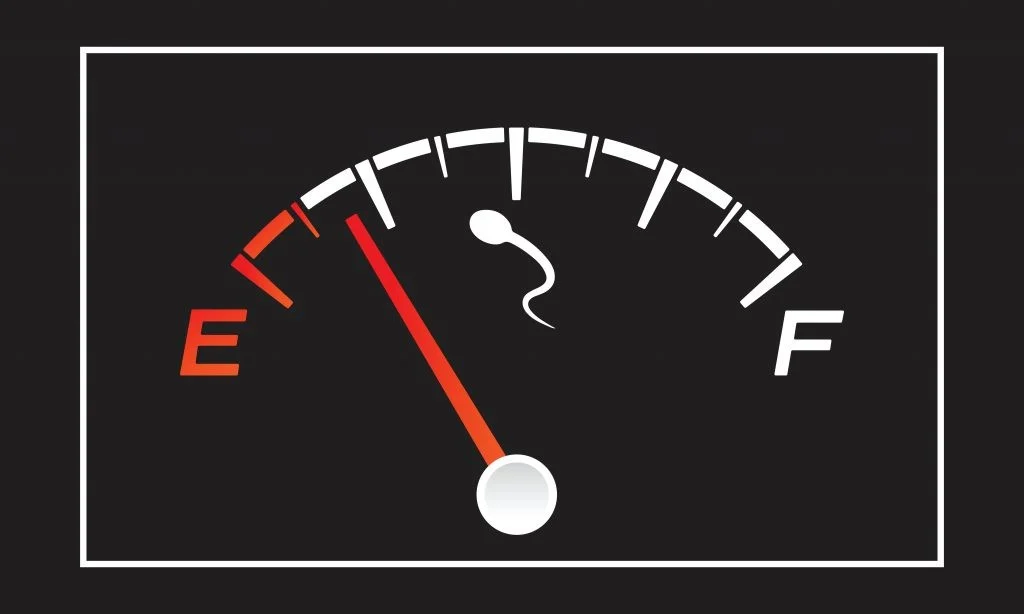
Recognising the signs of male infertility early is one of the most important steps a man can take when trying to conceive. According to the NHS, about 1 in 7 couples are affected by infertility, and in 20% to 30% of those cases, the problem lies with the male partner. Making the picture even more concerning, recent research has shown that global sperm counts have dropped by over 50% in the past four decades — a trend that makes awareness of the signs of male infertility more relevant than ever.
In most cases, the only obvious sign of male infertility is the absence of pregnancy after a year of regular, unprotected intercourse. However, there are specific physical symptoms and health indicators that can point to an underlying fertility problem. If you or your partner are trying to conceive — or planning to in the future — understanding these signs of male infertility helps you seek medical advice sooner, explore treatment options faster, and avoid months or years of frustration.
What Are the Most Common Signs of Male Infertility?
The signs of male infertility range from obvious physical symptoms to subtle hormonal changes that may go unnoticed for years. While experiencing one or more of these signs does not guarantee infertility, each one warrants a conversation with your doctor or urologist — especially if you have been trying to conceive without success.
Sign #1: Problems With Ejaculation
Ejaculation disorders are among the most direct signs of male infertility. These include the inability to ejaculate, retrograde ejaculation (where semen travels backward into the bladder instead of exiting through the penis), and producing an unusually small volume of ejaculate.
Retrograde ejaculation can be caused by diabetes, spinal cord injuries, certain medications, or previous surgeries on the bladder or prostate. If you notice that you consistently produce very little semen during ejaculation — or none at all — this is a clear signal to consult your doctor. Depending on the underlying cause, treatments may include medication adjustments, surgical intervention, or assisted conception techniques using your own sperm.
Sign #2: Erectile Dysfunction
Difficulty achieving or maintaining an erection sufficient for intercourse is another of the signs of male infertility. Erectile dysfunction (ED) affects millions of men worldwide and can have physical, psychological, or hormonal causes.
One of the most significant fertility-related causes of ED is reduced testosterone levels. Testosterone is the primary male sex hormone and plays a critical role in sperm production, sex drive, and overall reproductive function. When testosterone levels drop below normal, both erection quality and fertility can suffer. The NHS notes that ED can also signal underlying cardiovascular conditions, diabetes, or neurological issues — all of which deserve medical evaluation.
If you experience persistent erectile dysfunction, do not dismiss it as a lifestyle issue. It is one of the signs of male infertility that should prompt a comprehensive health check, including hormone testing.

Sign #3: Pain, Swelling, or a Lump in the Testicles
Any pain, swelling, or unusual lump in the testicular area should be evaluated by a doctor immediately. While there are several possible causes, one of the most common fertility-related conditions is a varicocele — an enlargement of the veins within the scrotum.
Varicoceles are present in approximately 15% of all men and in up to 40% of men evaluated for infertility, according to the American Urological Association (AUA). They can cause the testicles to shrink and reduce both sperm count and sperm quality by raising the temperature inside the scrotum. Varicoceles are one of the most treatable signs of male infertility — surgical repair has been shown to improve sperm parameters in many cases.
Other conditions that can cause testicular pain or swelling include infections (epididymitis), testicular torsion, or — in rare cases — testicular cancer. All require prompt medical attention.
Sign #4: Low Sperm Count
Low sperm count — clinically known as oligozoospermia — is one of the most commonly diagnosed signs of male infertility. A normal sperm count ranges from 15 to over 200 million sperm per millilitre of semen. A count below 15 million per millilitre is considered low.
While conception is still possible with a low sperm count, the odds are significantly reduced. Fewer sperm means fewer chances for one to successfully reach and fertilise the egg. Low sperm count can be caused by hormonal imbalances, varicoceles, infections, lifestyle factors (smoking, excessive alcohol, obesity), exposure to environmental toxins, or genetic conditions.
A semen analysis — a simple test performed by a fertility clinic or urologist — is the most straightforward way to measure sperm count, motility, and morphology. If you suspect low sperm count is one of your signs of male infertility, this test should be your first diagnostic step.
Sign #5: Small Testicles
The testicles are responsible for producing both sperm and testosterone. Noticeably small testicles — a condition known as testicular atrophy — can indicate reduced sperm production and lower hormone levels, making it one of the physical signs of male infertility.
Small testicles can also be a feature of Klinefelter’s syndrome, a genetic condition affecting approximately 1 in 660 men. Men with Klinefelter’s are born with an extra X chromosome (XXY instead of XY), which can result in smaller testes, reduced testosterone production, enlarged breasts, reduced facial and body hair, and difficulty conceiving naturally. While Klinefelter’s cannot be cured, hormone therapy and assisted reproduction techniques can help some men achieve biological fatherhood.
Sign #6: Abnormal Breast Growth
Gynecomastia — the swelling or enlargement of breast tissue in men — is caused by an imbalance between oestrogen and testosterone. While it is relatively common and often harmless, it can be one of the signs of male infertility because it signals a hormonal disruption that may also affect sperm production.
Gynecomastia can be associated with Klinefelter’s syndrome, liver disease, certain medications, or tumours that affect hormone levels. If you notice unexplained breast growth, mention it to your doctor during your fertility evaluation. Hormonal testing can determine whether the underlying cause is also affecting your reproductive function.
Sign #7: Low Sex Drive
A noticeably decreased libido is one of the hormonal signs of male infertility. Sex drive is closely linked to testosterone levels, and a persistent drop in desire for sexual activity can indicate that your hormonal balance is off.
Low testosterone does not only reduce sex drive — it also impairs sperm production, energy levels, mood, and muscle mass. If you experience a sustained decrease in libido alongside any other signs of male infertility, hormone testing is strongly recommended. Treatments ranging from lifestyle changes to testosterone replacement therapy (under medical supervision) can often restore both drive and fertility.
Sign #8: Inability to Smell
This may seem unrelated to fertility, but an impaired or absent sense of smell can be one of the rarest signs of male infertility. It may indicate Kallmann syndrome, a genetic disorder that prevents the body from producing sufficient gonadotrophin-releasing hormone (GnRH).
GnRH is produced in the hypothalamus and is essential for triggering puberty and maintaining reproductive function. Men with Kallmann syndrome may experience delayed or incomplete puberty, erectile dysfunction, low sex drive, small penis size, and infertility. The condition is rare but treatable — hormone replacement therapy can stimulate sperm production in many cases.
What Should You Do If You Notice Signs of Male Infertility?
If you have been trying to conceive for 12 months without success — or 6 months if your partner is over 35 — it is time to see a doctor. You should also seek medical advice sooner if you experience any of the signs of male infertility described above, even if you are not currently trying to conceive.
Your GP or urologist will typically begin with a physical examination and a semen analysis, which measures sperm count, motility (how well the sperm move), and morphology (the shape of the sperm). Blood tests to check hormone levels — including testosterone, FSH, and LH — may also be ordered.
Depending on the results, further investigations may include ultrasound imaging of the testicles, genetic testing, or referral to a fertility specialist. Many causes of male infertility are treatable, and early diagnosis significantly improves outcomes.
For men whose infertility cannot be resolved through treatment, donor sperm offers an alternative path to fatherhood. Platforms like CoParents.co.uk — part of the CoParents network, a co-parenting and sperm donation platform connecting over 150,000 users since 2008 — help individuals and couples explore donor and co-parenting arrangements when biological conception is not possible.
Frequently Asked Questions
What is the most common sign of male infertility?
The most common sign of male infertility is simply the inability to conceive after a year of regular, unprotected intercourse. Beyond that, low sperm count is the most frequently diagnosed specific cause. A semen analysis is the first and most important diagnostic test for any man concerned about his fertility.
Can you have signs of male infertility and still conceive naturally?
Yes. Many of the signs of male infertility — including low sperm count, varicoceles, and mild hormonal imbalances — reduce the chances of conception but do not eliminate them entirely. Treatment can often improve sperm parameters significantly, and assisted reproduction techniques such as IUI or IVF can overcome many fertility obstacles.
At what age do signs of male infertility become more common?
Male fertility begins to decline gradually after age 40, with decreasing sperm quality, lower testosterone levels, and an increased risk of genetic abnormalities in sperm. However, signs of male infertility can appear at any age, particularly when caused by genetic conditions, lifestyle factors, or infections. Early evaluation is recommended regardless of age if symptoms are present.
Does lifestyle affect male fertility?
Significantly. Smoking, excessive alcohol consumption, recreational drug use, obesity, poor diet, chronic stress, and exposure to environmental toxins such as pesticides and heavy metals are all associated with reduced sperm quality. Addressing these lifestyle factors is often the first step in treating signs of male infertility and can improve outcomes even before medical intervention.
When should I see a doctor about signs of male infertility?
See a doctor if you have been unable to conceive after 12 months of regular, unprotected intercourse (or 6 months if your partner is over 35). You should also consult a doctor immediately if you experience testicular pain, swelling, or lumps, persistent erectile dysfunction, or any other symptoms that concern you. Early diagnosis gives you the widest range of treatment options and the best chance of success.


Responses