
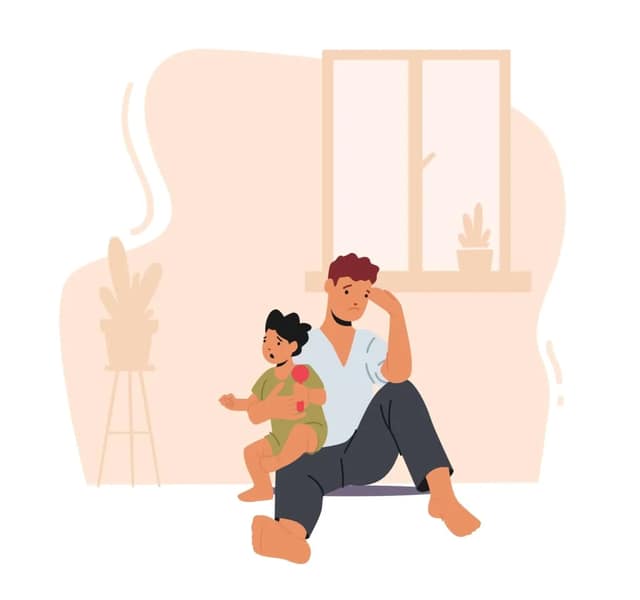
Postnatal depression in fathers is a real and common condition that affects around 1 in 10 new dads, yet it often goes undiagnosed. While we usually associate this illness with new mothers, becoming a parent is a major mental upheaval for fathers too. The good news: with the right support, most men make a full recovery.
Postnatal depression is a condition we typically link to women’s mental health, and understandably so. The physical, hormonal and psychological impact of giving birth is huge. However, fathers face their own significant transition. According to a 2016 research review, around 8% of men experience postnatal depression, with many cases never diagnosed. Men are also more likely to turn to alcohol, drugs or other unhealthy behaviours to cope. Below, we take a closer look at the causes, symptoms and treatments.
What Are the Symptoms of Postnatal Depression in Fathers?
New dads may experience sadness, numbness or helplessness. These feelings can be driven by a difficult labour, during which a father felt unable to help his partner or feared for their safety. Dads can also be affected by the strong, immediate bond between mother and baby. Fathers sometimes feel left out and unsure how to establish their own bond with their new child.
Ready to start your project?
Join +450,000 members who find their co-parent or sperm donor
Start free✓ Free ✓ No commitment ✓ Verified
These are the key symptoms to watch for:
- Sadness and persistent low mood
- Increased irritability or anger
- High-risk behaviours, including alcohol and drug misuse
- Feeling easily stressed or overwhelmed
- Significant weight change
- Withdrawing from family and friends
- Losing interest in work and hobbies
- Decreased sex drive
- Headaches and stomach upset
- Persistent fatigue
- Lack of desire to hold or interact with the baby
- Thoughts of self-harm or suicide
Importantly, research shows men often display fewer outwardly emotional signs, such as crying, and instead show anger or risk-taking. If you are experiencing these symptoms, particularly thoughts of self-harm or suicide, please seek immediate medical advice. You can also contact Samaritans free on 116 123 at any time.
Do Dads Undergo Hormonal Changes Too?
Yes. Researchers have found that men undergo significant hormonal shifts after their child’s birth. Dads experience a drop in testosterone, alongside increases in oestrogen, oxytocin, prolactin and glucocorticoids. These changes mirror the pattern seen in new mothers.
Scientists theorise this is a biological function to promote bonding between father and child. From an evolutionary view, it would help dads protect their newest family member. However, a sudden hormonal shift can stir up difficult emotions, and these biological changes may contribute to postnatal depression in fathers and co-parents.
Are Some Men More at Risk of Postnatal Depression?
Yes. Several factors can increase the likelihood of being affected. These include age, mental health history and the strength of your support network. You may be more at risk if any of the following apply:
- Aged under 25
- Previous episodes of depression or anxiety
- Family history of mental health issues
- Financial worries
- Limited or poor support network
- A stressful labour
- Ongoing relationship difficulties
- A history of insomnia or sleep problems
That said, even with no risk factors, the arrival of a new baby is a huge emotional life event. Anyone, from any walk of life, can develop this condition. So if you are struggling to process your emotions after your little one arrives, reach out for help. The NHS offers an online self-referral route to talking therapies for anyone aged 18 or over.
How Can You Manage the Symptoms?
If you are living with postnatal depression in fathers terms, self-care matters alongside any professional support. This often means taking time and space to process your emotions, and accepting there is no “right” way to feel as a new dad.
It also helps to maintain a healthy routine, even when motivation is low. That means a balanced diet, regular exercise and enough sleep. This is rarely something you can tackle alone, so lean on friends, family and your GP. According to NHS guidance on postnatal depression, the condition usually improves within 3 to 6 months, and recovery is far more likely with treatment.
What Treatments Are Available for Fathers?
Your GP may refer you to a self-help course, a support group or a therapist. Cognitive Behavioural Therapy (CBT) is a common and effective treatment for this type of mental health issue. In more significant cases, you may be offered a short course of antidepressants to ease the worst symptoms. Therapy and medication can be provided together.
Which Organisations Support Dads With Postnatal Depression?
Several dedicated charities support parents living with this condition. PANDAS offers a helpline and support groups for parents struggling with perinatal mental health. The Fatherhood Institute is a charity working with families and advocating for policy change to recognise the issues affecting UK dads. Andy’s Man Club also runs free, UK-wide talking groups for men.
If you are building a family through co-parenting or donor conception, a strong support circle matters even more. CoParents.co.uk connects people across the UK who are navigating shared parenting and donor arrangements, so no parent has to face the early months feeling isolated.
Frequently Asked Questions
How common is postnatal depression in fathers?
Postnatal depression in fathers affects roughly 8% to 10% of new dads, according to research. Many cases go undiagnosed because men are less likely to report emotional symptoms and may instead show anger, withdrawal or risk-taking behaviour.
When does paternal postnatal depression start?
It can begin before the birth and continue through the baby’s first year. Some studies show men’s depressive symptoms increase between six weeks and six months after childbirth, so ongoing awareness is important.
Can dads get postnatal depression if their partner doesn’t?
Yes. While a mother’s depression is the strongest single predictor, men can and do experience postnatal depression in fathers independently of their partner’s mental health.
What is the most effective treatment?
Cognitive Behavioural Therapy is widely used and effective. For more severe symptoms, a GP may also prescribe antidepressants. Most men recover fully with the right combination of support, therapy and self-care.
Where can a new dad get urgent help?
Speak to your GP or call NHS 111. For immediate emotional support at any hour, contact Samaritans free on 116 123. In an emergency, call 999.
Becoming a parent is easier with a community around you. Register free on CoParents.co.uk to connect with co-parents and a supportive UK network of parents who understand the realities of new fatherhood.