
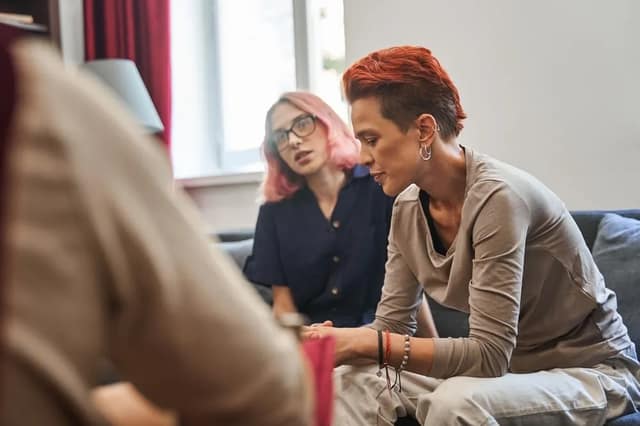
Growing up donor conceived is now understood far better than it was even a decade ago, thanks to long-running research following the same families for 20 years. Whether you used a sperm donor, an egg donor, or an embryo donor, deciding when, how, and what to share with your child, parents, siblings and close friends can feel overwhelming. The clearest finding across two decades of research is that openness, started early, benefits the whole family. This guide draws on that evidence to help you approach every stage of the conversation, from telling family to talking with your own donor conceived child, with confidence.
Why Openness Matters for Donor Conceived Children
Keeping donor conception secret places a real emotional burden on parents. Studies show that secrecy can lead to feelings of isolation, anxiety and distance from the people closest to you, while families who are open typically report stronger relationships and less stress over time. Many parents describe the anticipation of telling as far more frightening than the conversation itself turns out to be.
A 20-year Cambridge University study, led by Professor Susan Golombok and published across journals including Developmental Psychology, followed the same families from infancy into early adulthood. Donor conceived young adults who were told about their origins before age seven had more positive relationships with their mothers at age 20 than those told later. Importantly, the research also found no difference in overall psychological wellbeing between donor conceived children and those conceived without assistance.
Ready to start your project?
Join +450,000 members who find their co-parent or sperm donor
Start free✓ Free ✓ No commitment ✓ Verified
The HFEA encourages this kind of openness, noting that donor conceived people who grow up knowing their origins tend to adjust better emotionally. Since April 2005, UK law has required all new donors to be identity-release, meaning your child can request their donor’s name, date of birth and last known address once they turn 18. If your family already knows about the donation, this milestone is far less likely to create shock or conflict.
| Age told | Typical outcome by early adulthood |
|---|---|
| Before age 7 | More positive relationship with mother at 20, per Golombok’s research |
| After age 7 | Relationships remained generally healthy, but slightly less positive on average |
| Not told, found out via DNA testing | Higher risk of distress and disrupted trust |
How to Prepare Before Telling Family
Preparation matters. Before telling family, sit down with your partner, or reflect carefully if you are doing this alone, and agree on exactly what you want to share and what you’d prefer to keep private. Setting clear boundaries together means you’re both comfortable with what gets disclosed, and it avoids one of you feeling caught out by a question the other has already answered differently. It’s also worth agreeing in advance how you’ll handle follow-up questions from people you haven’t told yet, since word can travel faster than you expect once the conversation has started.
Consider who to tell first. Starting with the person you trust most, a parent, sibling or close friend, gives you an ally before approaching people who may be less understanding, and their reaction often sets the tone for how easily the news travels through the rest of the family. Think about the questions they might ask: why you used a donor, how the process works, who the donor is, or whether they are anonymous, and what role, if any, the donor will play going forward. Rehearsing your answers, even briefly, can take a surprising amount of pressure off the actual conversation.
Resources from the Donor Conception Network can help you explain the process clearly, whether you’re speaking to grandparents, siblings, or close friends who may never have encountered donor conception before. Its “Telling and Talking” guides and workshops are designed specifically for this, covering how to communicate with family, friends and eventually your donor conceived child at different ages. Choose a relaxed, private setting, such as a family dinner at home, rather than a crowded or public space; a planned conversation gives you far more control over how the news is received than blurting it out on impulse.
What Reactions to Expect
Reactions vary depending on your family’s personalities, cultural background and existing familiarity with donor conception. If you’re an LGBT couple, your family may already have anticipated that you would use a donor. If you’re a heterosexual couple dealing with infertility, the news may come as more of a surprise.
Most families respond with support and curiosity, though some relatives need time to process the information and may ask questions that feel intrusive at first, about the donor’s identity, the insemination method, or whether your child will know their biological origins. Most people ask out of genuine interest rather than judgement, even if the questions land awkwardly in the moment. If you anticipate resistance from certain family members, tell supportive relatives first so you have allies in place. For single parents by choice, some relatives may struggle with the idea of raising a child without a partner, so having a clear, confident explanation of your decision helps address their concerns directly.
Talking to Your Donor Conceived Child
Telling family is really the first step in a broader culture of openness that will eventually include your child directly. The Donor Conception Network, the HFEA, and researchers like Golombok all recommend telling children about their donor origins from an early age, ideally before they start school.
Young children are naturally accepting and curious, which is exactly why starting early normalises the conversation and avoids the risk of your child discovering their origins unexpectedly through DNA testing or family gossip later on. The rise of consumer DNA testing has made this risk far more real than it was a generation ago, since a child or relative can now uncover a genetic mismatch without anyone intending to reveal anything. Age-appropriate storybooks, including a well-known series aimed at children aged 3 to 6, can help families introduce the concept gently and positively, well before this becomes a concern.
For families who found their donor through a known donor arrangement, your donor conceived child may already know their donor personally, which can make these conversations feel more natural and considerably less daunting than explaining an anonymous arrangement.
What the Law Says About Donor Identity
Since donor anonymity ended in the UK in April 2005, anyone conceived from a donation made after that date can request their donor’s full name, date of birth and last known address once they turn 18. From age 16, they can already access non-identifying information, such as physical description and medical history. Parents can request the same non-identifying details on their child’s behalf at any age, which can be a useful way to build a fuller picture of the donor gradually rather than all at once.
This legal framework is part of why openness within the family matters so much. A donor conceived young adult who already knows their story is simply confirming and building on something familiar when they reach 18, rather than processing two pieces of unexpected news, their origins and their donor’s identity, at the same time. Clinics are required to keep records accordingly, so this information remains accessible decades after the original donation took place.
Frequently Asked Questions
When is the best time to start telling family about donor conception?
Many parents tell close family before or during pregnancy, so they have support from the start. Others wait until after the birth. There is no single right answer, but telling people sooner rather than later reduces the burden of secrecy and gives your family time to adjust.
Do I have to tell everyone?
No. You and your partner decide who to tell and how much to share. That said, your child will eventually know they are donor conceived, so it’s healthier if the wider family is aware too, to avoid confusion or accidental disclosure later.
What if my family reacts negatively?
Give them time. Many people who react with surprise or discomfort initially come around once they understand the process and see how happy and healthy your family is. If someone remains unsupportive, set firm boundaries and seek support from understanding friends, the Donor Conception Network community, or a specialist counsellor.
Is it harmful for a child to find out later in life that they are donor conceived?
Research suggests disclosure works best before age seven. Discovering the truth later, particularly through an unexpected DNA test result, is linked to greater distress than being told openly from an early age.
Where can donor conceived adults get support if they weren’t told as children?
The HFEA and Donor Conception Network both offer information and support services for donor conceived adults who find out about their origins later in life, including guidance on requesting identifying donor information from age 18.
Does being donor conceived affect a child’s mental health?
Long-running research has found no meaningful difference in overall psychological wellbeing between donor conceived children and those conceived without assistance, regardless of family type.
Being donor conceived is, for the vast majority of children, simply one part of a happy family story, not a source of harm in itself. The strongest evidence points the same way every time: openness, started early and handled with care, gives donor conceived children and their families the best possible foundation, whatever shape that family takes and however it came together.
If you’re building your family through donor conception, CoParents.co.uk connects you with known sperm donors, egg donors and co-parents in a verified, supportive community where openness is part of the culture from the outset. Join CoParents.co.uk today to find out more.